
Before Memmo my notes were scattered across PDFs. Now a workspace pulls everything into one place — I see exactly what's still left to study.
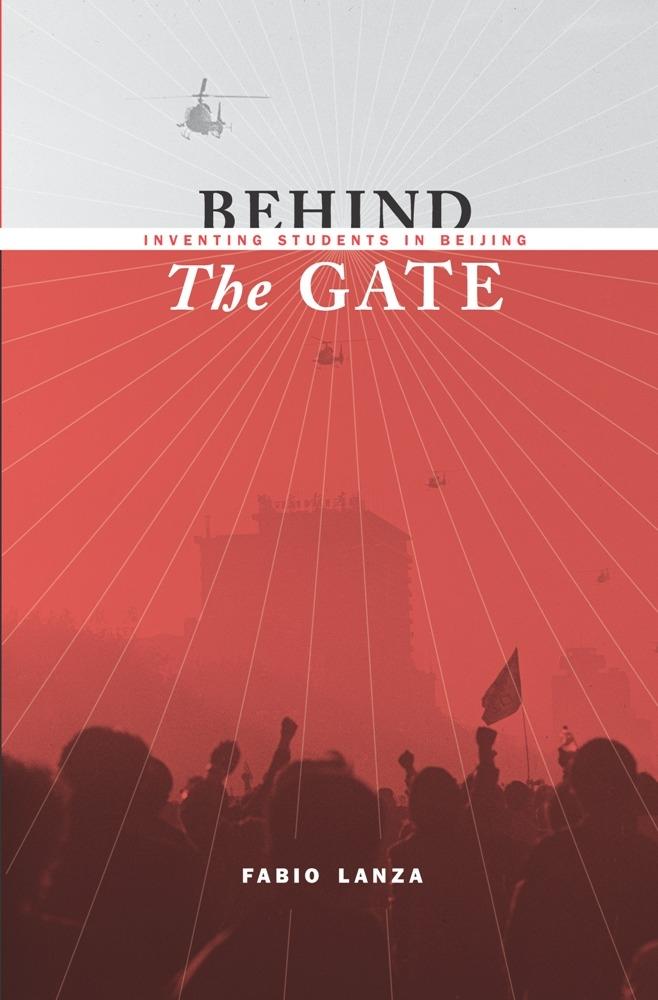
On May 4, 1919, thousands of students protested the Versailles treaty in Beijing. Seventy years later, another generation demonstrated in Tiananmen Square. Climbing the Monument of the People's Heroes, these protestors stood against a relief of their predecessors, merging with their own mythology while consciously deploying their activism. Through an investigation of twentieth-century Chinese student protest, Fabio Lanza considers the marriage of the cultural and the political, the intellectual and the quotidian, that occurred during the May Fourth movement, along with its rearticulation in subsequent protest. He ultimately explores the political category of the "student" and its making in the twentieth century.
Lanza returns to the May Fourth period (1917-1923) and the rise of student activism in and around Beijing University. He revisits reform in pedagogical and learning routines, changes in daily campus life, the fluid relationship between the city and its residents, and the actions of allegedly cultural student organizations. Through a careful analysis of everyday life and urban space, Lanza radically reconceptualizes the emergence of political subjectivities (categories such as "worker," "activist," and "student") and how they anchor and inform political action. He accounts for the elements that drew students to Tiananmen and the formation of the student as an enduring political category. His research underscores how, during a time of crisis, the lived realities of university and student became unsettled in Beijing, and how political militancy in China arose only when the boundaries of identification were challenged.
Before Memmo my notes were scattered across PDFs. Now a workspace pulls everything into one place — I see exactly what's still left to study.
Memmo's summaries are gold before exams. I don't have to re-read 800 pages two weeks before — just the important parts.
The AI chat has saved me the night before an exam more than once. I just keep asking until I get it — no waiting on a study group to reply.
The quizzes hit exactly what I need to know. Memmo tracks what I get stuck on — so I only practice what's worth it.
Flashcards with spaced repetition are magic. Memmo knows when I'm about to forget something and brings it back.
The AI podcasts are my favorite. I listen on my way to school and get a recap without sitting at a computer.

Handbok i kvalitativa metoder
281 kr

Hållbar utveckling: en introduktion för ingenjörer och andra problemlösare
334 kr

Brymans Samhällsvetenskapliga metoder
390 kr

Projektledning
491 kr

Den orättvisa hälsan: om socioekonomiska skillnader i hälsa och livslängd
326 kr

Vetenskapsteori för nybörjare
196 kr

Organizational Leadership
429 kr

På väg mot läraryrket
172 kr

Det sociala livet i skolan: Socialpsykologiska perspektiv
253 kr

Betygsättningens didaktik
151 kr

Personality
402 kr

Studying Leadership
404 kr

Managing Innovation
477 kr

Introduktion till samhällsvetenskaplig metod
347 kr

The Psychology of Sex and Gender
698 kr

Evidens och kunskap för socialt arbete
207 kr

Introduction to Leadership
605 kr