
Before Memmo my notes were scattered across PDFs. Now a workspace pulls everything into one place — I see exactly what's still left to study.
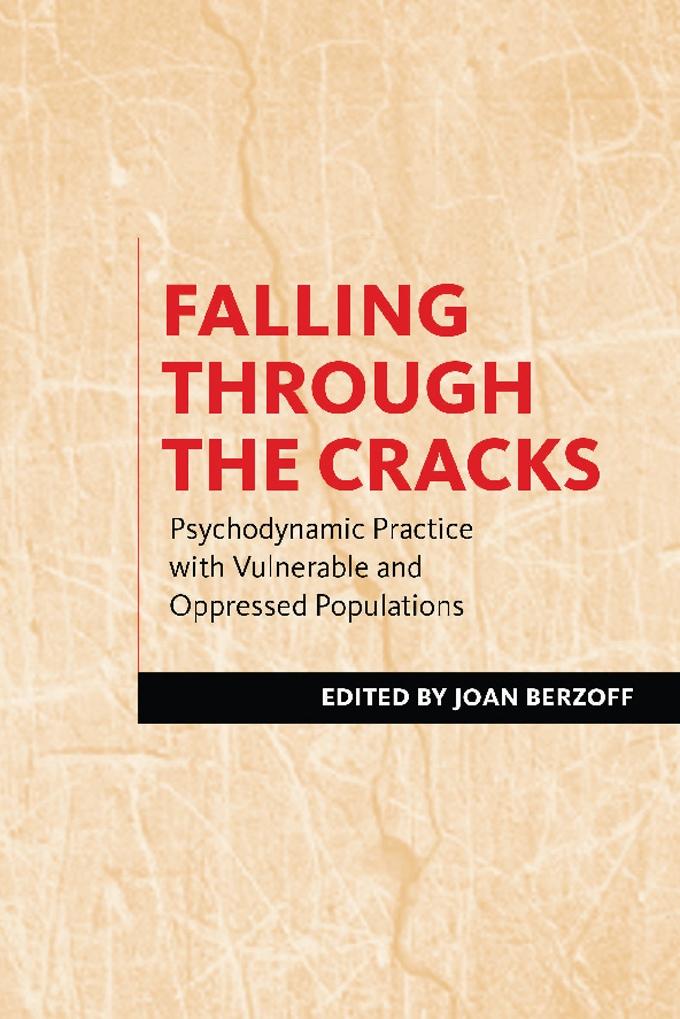
Psychodynamic theory and practice are often misunderstood as appropriate only for the worried well or for those whose problems are minimal or routine. Nothing could be further from the truth. This book shows how psychodynamically informed, clinically based social care is essential to working with individuals whose problems are both psychological and social.
Each chapter addresses populations struggling with structural inequities, such as racism, classism, and discrimination based on immigrant status, language differences, disability, and sexual orientation. The authors explain how to provide psychodynamically informed assessment and practice when working with those suffering from mental illness, addiction, homelessness, and cognitive, visual, or auditory impairments, as well as people in prisons, in orphanages, and on child welfare. The volume supports the idea that becoming aware of ourselves helps us understand ourselves: a key approach for helping clients contain and name their feelings, deal with desire and conflict, achieve self-regulation and self-esteem, and alter attachment styles toward greater agency and empowerment. Yet autonomy and empowerment are not birthrights; they are capacities that must be fostered under optimal clinical conditions.
This collection uses concepts derived from drive theory, ego psychology, object relations, trauma theory, attachment theory, self psychology, relational theories, and intersubjectivity in clinical work with vulnerable and oppressed populations. Contributors are experienced practitioners whose work with vulnerable populations has enabled them to elicit and find common humanity with their clients. The authors consistently convey respect for the considerable strength and resilience of the populations with whom they work. Emphasizing both the inner and social structural lives of client and clinician and their interacting social identities, this anthology uniquely realizes the complexity of clinical practice with diverse populations.
Before Memmo my notes were scattered across PDFs. Now a workspace pulls everything into one place — I see exactly what's still left to study.
Memmo's summaries are gold before exams. I don't have to re-read 800 pages two weeks before — just the important parts.
The AI chat has saved me the night before an exam more than once. I just keep asking until I get it — no waiting on a study group to reply.
The quizzes hit exactly what I need to know. Memmo tracks what I get stuck on — so I only practice what's worth it.
Flashcards with spaced repetition are magic. Memmo knows when I'm about to forget something and brings it back.
The AI podcasts are my favorite. I listen on my way to school and get a recap without sitting at a computer.

Handbok i kvalitativa metoder
281 kr

Hållbar utveckling: en introduktion för ingenjörer och andra problemlösare
334 kr

Brymans Samhällsvetenskapliga metoder
390 kr

Projektledning
491 kr

Den orättvisa hälsan: om socioekonomiska skillnader i hälsa och livslängd
326 kr

Vetenskapsteori för nybörjare
196 kr

Organizational Leadership
429 kr

På väg mot läraryrket
172 kr

Det sociala livet i skolan: Socialpsykologiska perspektiv
253 kr

Betygsättningens didaktik
151 kr

Personality
402 kr

Studying Leadership
404 kr

Managing Innovation
477 kr

Introduktion till samhällsvetenskaplig metod
347 kr

The Psychology of Sex and Gender
698 kr

Evidens och kunskap för socialt arbete
207 kr

Introduction to Leadership
605 kr