
Before Memmo my notes were scattered across PDFs. Now a workspace pulls everything into one place — I see exactly what's still left to study.
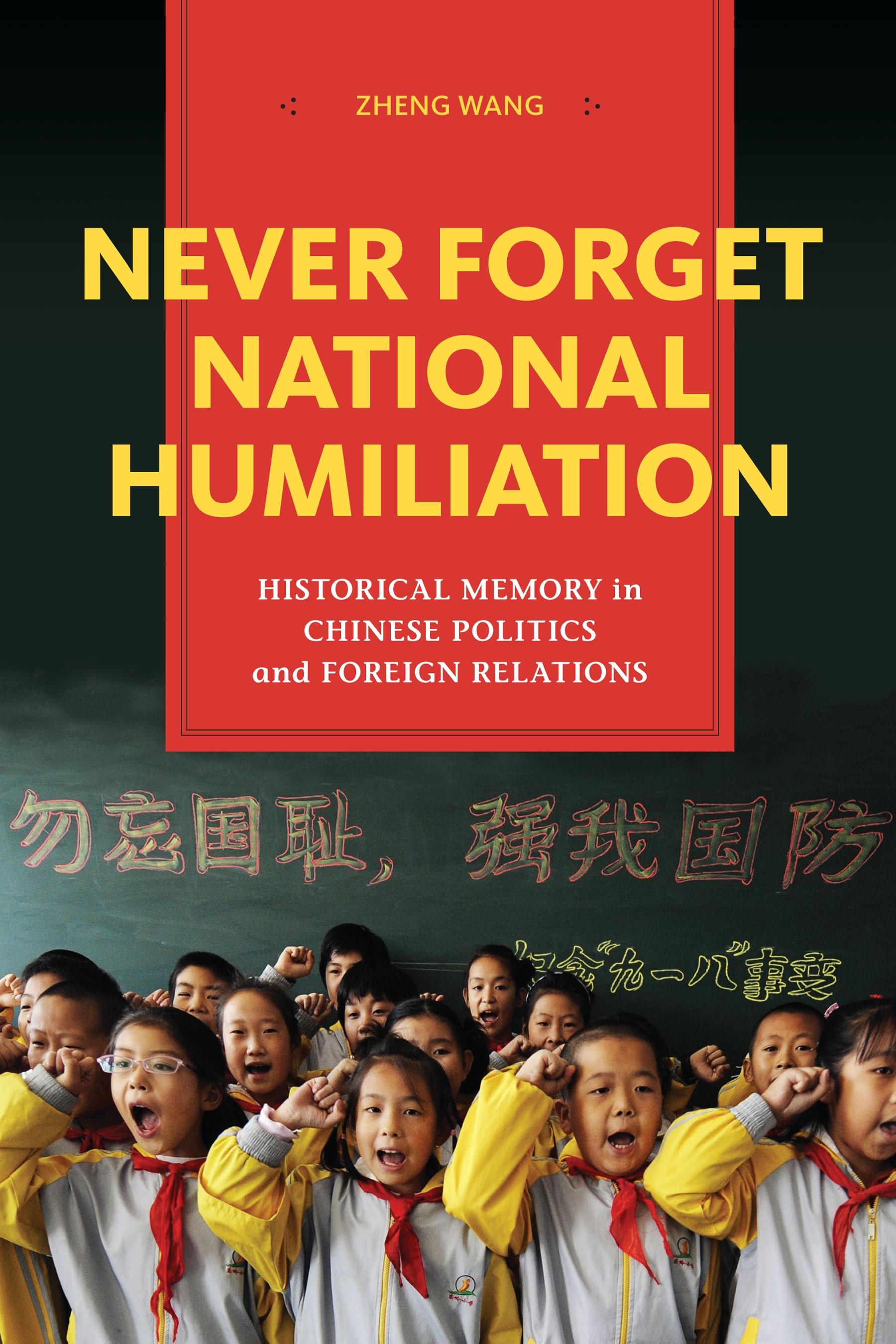
How could the Chinese Communist Party (CCP) not only survive but even thrive, regaining the support of many Chinese citizens after the Tiananmen Square crackdown of 1989? Why has popular sentiment turned toward anti-Western nationalism despite the anti-dictatorship democratic movements of the 1980s? And why has China been more assertive toward the United States and Japan in foreign policy but relatively conciliatory toward smaller countries in conflict?
Offering an explanation for these unexpected trends, Zheng Wang follows the Communist government's ideological reeducation of the public, which relentlessly portrays China as the victim of foreign imperialist bullying during "one hundred years of humiliation." By concentrating on the telling and teaching of history in today's China, Wang illuminates the thinking of the young patriots who will lead this rising power in the twenty-first century.
Wang visits China's primary schools and memory sites and reads its history textbooks, arguing that China's rise should not be viewed through a single lens, such as economics or military growth, but from a more comprehensive perspective that takes national identity and domestic discourse into account. Since it is the prime raw material for constructing China's national identity, historical memory is the key to unlocking the inner mystery of the Chinese. From this vantage point, Wang tracks the CCP's use of history education to glorify the party, reestablish its legitimacy, consolidate national identity, and justify one-party rule in the post-Tiananmen and post–Cold War era. The institutionalization of this manipulated historical consciousness now directs political discourse and foreign policy, and Wang demonstrates its important role in China's rise.
Before Memmo my notes were scattered across PDFs. Now a workspace pulls everything into one place — I see exactly what's still left to study.
Memmo's summaries are gold before exams. I don't have to re-read 800 pages two weeks before — just the important parts.
The AI chat has saved me the night before an exam more than once. I just keep asking until I get it — no waiting on a study group to reply.
The quizzes hit exactly what I need to know. Memmo tracks what I get stuck on — so I only practice what's worth it.
Flashcards with spaced repetition are magic. Memmo knows when I'm about to forget something and brings it back.
The AI podcasts are my favorite. I listen on my way to school and get a recap without sitting at a computer.

Handbok i kvalitativa metoder
281 kr

Hållbar utveckling: en introduktion för ingenjörer och andra problemlösare
334 kr

Brymans Samhällsvetenskapliga metoder
390 kr

Projektledning
491 kr

Den orättvisa hälsan: om socioekonomiska skillnader i hälsa och livslängd
326 kr

Vetenskapsteori för nybörjare
196 kr

Organizational Leadership
429 kr

På väg mot läraryrket
172 kr

Det sociala livet i skolan: Socialpsykologiska perspektiv
253 kr

Betygsättningens didaktik
151 kr

Personality
402 kr

Studying Leadership
404 kr

Managing Innovation
477 kr

Introduktion till samhällsvetenskaplig metod
347 kr

The Psychology of Sex and Gender
698 kr

Evidens och kunskap för socialt arbete
207 kr

Introduction to Leadership
605 kr