
Before Memmo my notes were scattered across PDFs. Now a workspace pulls everything into one place — I see exactly what's still left to study.
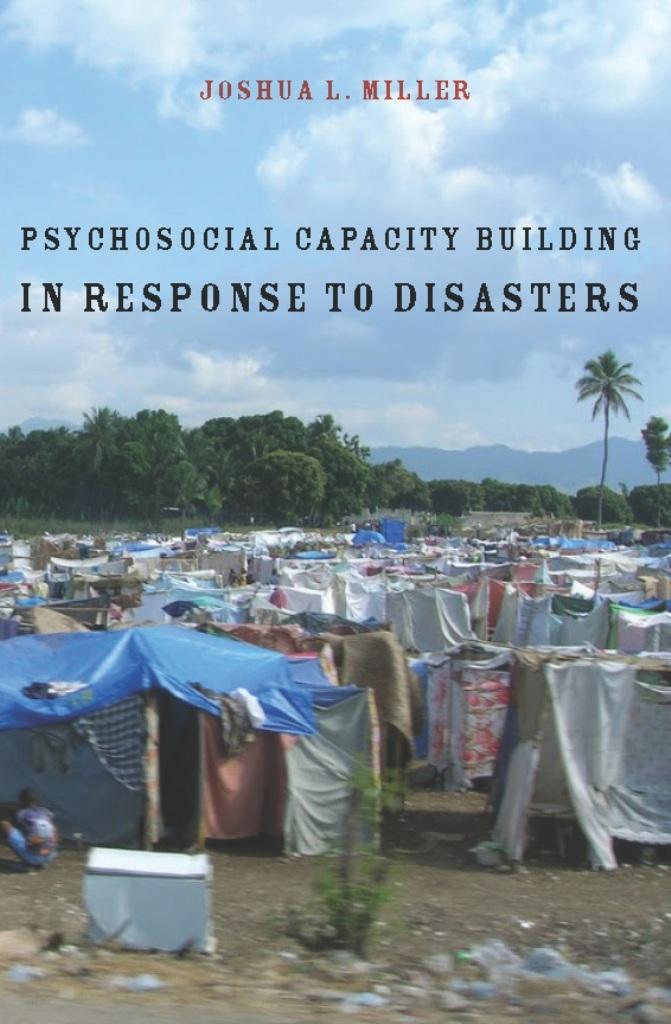
Disaster responders treat more than just the immediate emotional and psychological trauma of victims: they empower individuals and families to heal themselves long into a disaster's aftermath. This requires helping survivors to rebuild their ability to meet their emotional and psychological needs, not only for themselves but also for others, which necessitates a careful consideration of survivors' social, economic, and political realities as their communities heal and recover.
This comprehensive book integrates Western mental health approaches and international models of psychosocial capacity building within a social ecology framework, providing practitioners and volunteers with a blueprint for individual, family, group, and community interventions. Joshua L. Miller focuses on a range of disasters at local, regional, national, and international levels. Global case studies explore the social, psychological, economic, political, and cultural issues affecting various reactions to disaster and illustrate the importance of drawing on local cultural practices to promote empowerment and resiliency. Miller encourages developing people's capacity to direct their own recovery, using a social ecology framework to conceptualize disasters and their consequences. He also considers sources of vulnerability and how to support individual, family, and community resiliency; adapt and implement traditional disaster mental health interventions in different contexts; use groups and activities to facilitate recovery as part of a larger strategy of psychosocial capacity building; and foster collective grieving and memorializing. Miller's text examines the unique dynamics of intergroup conflict and the relationship between psychosocial healing, social justice, and peace and reconciliation. Each chapter ends with a mindfulness exercise, and a section reviews practitioner self-care.
Before Memmo my notes were scattered across PDFs. Now a workspace pulls everything into one place — I see exactly what's still left to study.
Memmo's summaries are gold before exams. I don't have to re-read 800 pages two weeks before — just the important parts.
The AI chat has saved me the night before an exam more than once. I just keep asking until I get it — no waiting on a study group to reply.
The quizzes hit exactly what I need to know. Memmo tracks what I get stuck on — so I only practice what's worth it.
Flashcards with spaced repetition are magic. Memmo knows when I'm about to forget something and brings it back.
The AI podcasts are my favorite. I listen on my way to school and get a recap without sitting at a computer.

Handbok i kvalitativa metoder
281 kr

Hållbar utveckling: en introduktion för ingenjörer och andra problemlösare
334 kr

Brymans Samhällsvetenskapliga metoder
390 kr

Projektledning
491 kr

Den orättvisa hälsan: om socioekonomiska skillnader i hälsa och livslängd
326 kr

Vetenskapsteori för nybörjare
196 kr

Organizational Leadership
429 kr

På väg mot läraryrket
172 kr

Det sociala livet i skolan: Socialpsykologiska perspektiv
253 kr

Betygsättningens didaktik
151 kr

Personality
402 kr

Studying Leadership
404 kr

Managing Innovation
477 kr

Introduktion till samhällsvetenskaplig metod
347 kr

The Psychology of Sex and Gender
698 kr

Evidens och kunskap för socialt arbete
207 kr

Introduction to Leadership
605 kr