
Before Memmo my notes were scattered across PDFs. Now a workspace pulls everything into one place — I see exactly what's still left to study.
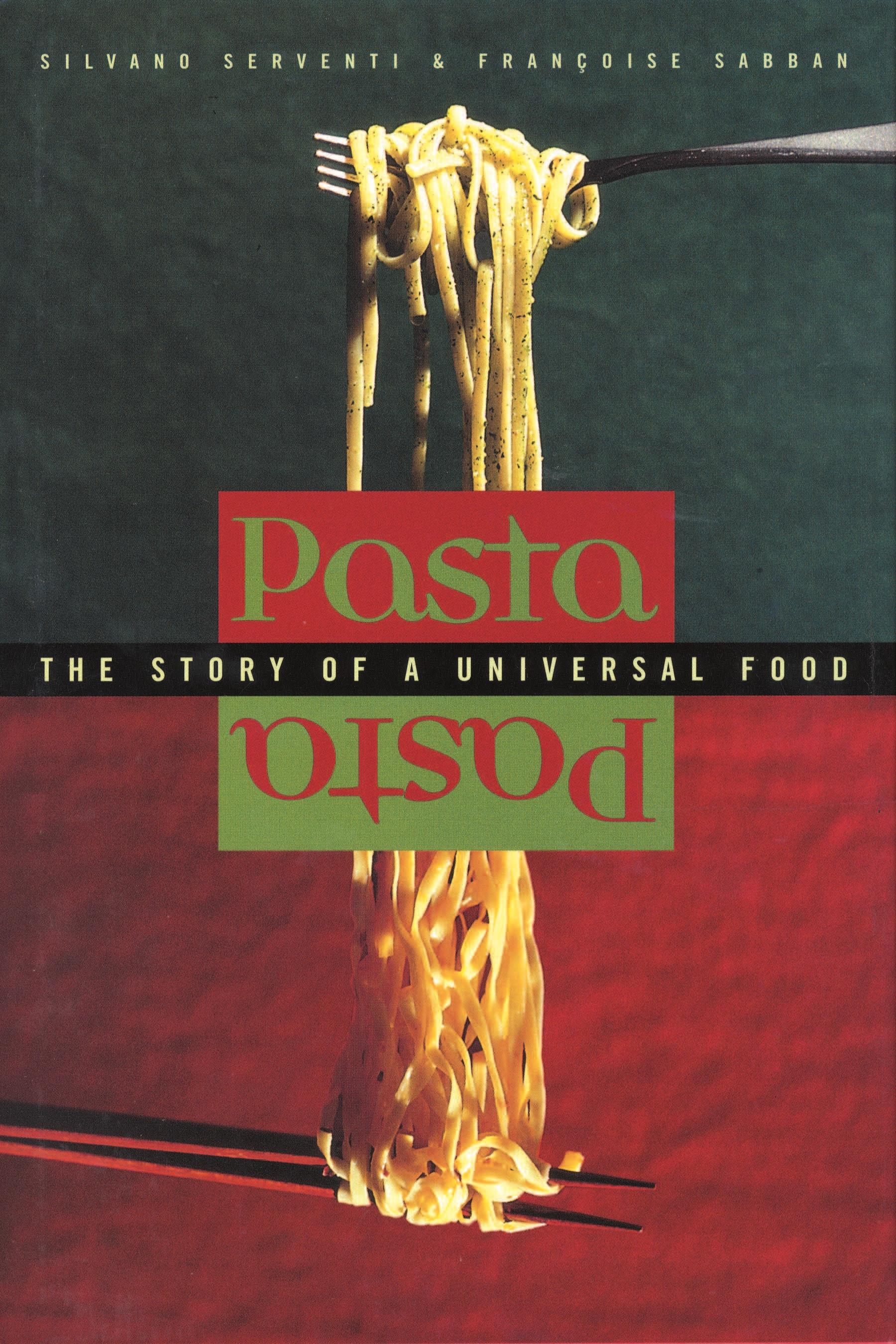
Ranging from the imperial palaces of ancient China and the bakeries of fourteenth-century Genoa and Naples all the way to the restaurant kitchens of today, Pasta tells a story that will forever change the way you look at your next plate of vermicelli. Pasta has become a ubiquitous food, present in regional diets around the world and available in a host of shapes, sizes, textures, and tastes. Yet, although it has become a mass-produced commodity, it remains uniquely adaptable to innumerable recipes and individual creativity. Pasta: The Story of a Universal Food shows that this enormously popular food has resulted from of a lengthy process of cultural construction and widely diverse knowledge, skills, and techniques.
Many myths are intertwined with the history of pasta, particularly the idea that Marco Polo brought pasta back from China and introduced it to Europe. That story, concocted in the early twentieth century by the trade magazine Macaroni Journal, is just one of many fictions umasked here. The true homelands of pasta have been China and Italy. Each gave rise to different but complementary culinary traditions that have spread throughout the world. From China has come pasta made with soft wheat flour, often served in broth with fresh vegetables, finely sliced meat, or chunks of fish or shellfish. Pastasciutta, the Italian style of pasta, is generally made with durum wheat semolina and presented in thick, tomato-based sauces. The history of these traditions, told here in fascinating detail, is interwoven with the legacies of expanding and contracting empires, the growth of mercantilist guilds and mass industrialization, and the rise of food as an art form.
Whether you are interested in the origins of lasagna, the strange genesis of the Chinese pasta bing or the mystique of the most magnificent pasta of all, the timballo, this is the book for you. So dig in!
Before Memmo my notes were scattered across PDFs. Now a workspace pulls everything into one place — I see exactly what's still left to study.
Memmo's summaries are gold before exams. I don't have to re-read 800 pages two weeks before — just the important parts.
The AI chat has saved me the night before an exam more than once. I just keep asking until I get it — no waiting on a study group to reply.
The quizzes hit exactly what I need to know. Memmo tracks what I get stuck on — so I only practice what's worth it.
Flashcards with spaced repetition are magic. Memmo knows when I'm about to forget something and brings it back.
The AI podcasts are my favorite. I listen on my way to school and get a recap without sitting at a computer.

Handbok i kvalitativa metoder
281 kr

Hållbar utveckling: en introduktion för ingenjörer och andra problemlösare
334 kr

Brymans Samhällsvetenskapliga metoder
390 kr

Projektledning
491 kr

Den orättvisa hälsan: om socioekonomiska skillnader i hälsa och livslängd
326 kr

Vetenskapsteori för nybörjare
196 kr

Organizational Leadership
429 kr

På väg mot läraryrket
172 kr

Det sociala livet i skolan: Socialpsykologiska perspektiv
253 kr

Betygsättningens didaktik
151 kr

Personality
402 kr

Studying Leadership
404 kr

Managing Innovation
477 kr

Introduktion till samhällsvetenskaplig metod
347 kr

The Psychology of Sex and Gender
698 kr

Evidens och kunskap för socialt arbete
207 kr

Introduction to Leadership
605 kr