
Before Memmo my notes were scattered across PDFs. Now a workspace pulls everything into one place — I see exactly what's still left to study.
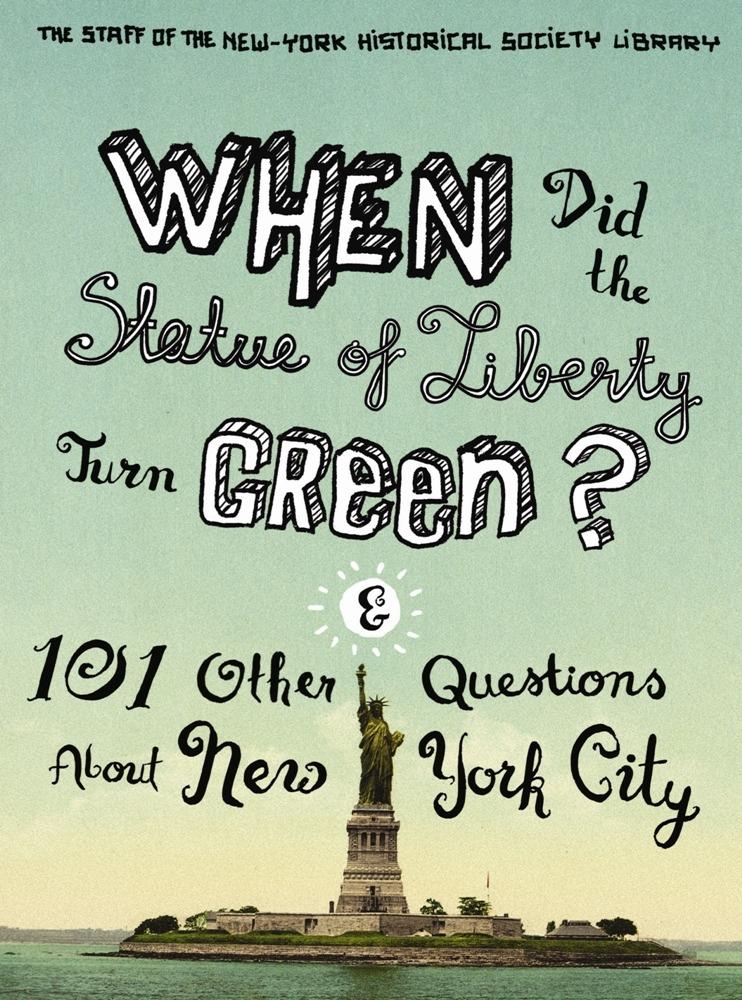
For years, the librarians at the New-York Historical Society have kept a record of the questions posed to them by curious New Yorkers and visitors to the city. Who was the first woman to run for mayor of New York? Why are beavers featured on the city's official seal? Is it true that a nineteenth-century New Yorker built a house out of spite? These questions involve people, places, buildings, monuments, rumors, and urban myths. They concern sports, food, transportation, the arts, politics, nature, and Central Park, among many other subjects. Taken together, they attest to the infinite stories hidden within the most intriguing metropolis in the world.
In When Did the Statue of Liberty Turn Green? the staff of the New-York Historical Society Library answer more than a hundred of the most popular and compelling queries. The endlessly entertaining entries in this book feature hard-to-find data and unforgettable profiles, sharing snapshots of New York's secret history for all to enjoy. Drawing on the library's extensive collections, the staff reveal when the first book was printed in New York, whether the story of Harlem residents presenting rats to government officials is true, who exactly were the Collyer brothers and why were they famous, and why premature babies were once displayed in Coney Island. For readers who love trivia, urban history, strange tales, and, of course, New York City, this book will delight with its rich, informative, and surprising stories.
Look inside to learn:
How "Peg-Leg" Peter Stuyvesant lost his right leg Whether Manhattan used to have cowboysHow the New York Yankees got their nameWho was Pig Foot MaryWhy the Manhattan House of Detention is called the TombsWho was Topsy and how she electrified New York CityHow many speakeasies were open during ProhibitionWhat occurred every May in the nineteenth century to cause so much commotionWhen penguins were stolen from the Coney Island Aquarium
Before Memmo my notes were scattered across PDFs. Now a workspace pulls everything into one place — I see exactly what's still left to study.
Memmo's summaries are gold before exams. I don't have to re-read 800 pages two weeks before — just the important parts.
The AI chat has saved me the night before an exam more than once. I just keep asking until I get it — no waiting on a study group to reply.
The quizzes hit exactly what I need to know. Memmo tracks what I get stuck on — so I only practice what's worth it.
Flashcards with spaced repetition are magic. Memmo knows when I'm about to forget something and brings it back.
The AI podcasts are my favorite. I listen on my way to school and get a recap without sitting at a computer.

Handbok i kvalitativa metoder
281 kr

Hållbar utveckling: en introduktion för ingenjörer och andra problemlösare
334 kr

Brymans Samhällsvetenskapliga metoder
390 kr

Projektledning
491 kr

Den orättvisa hälsan: om socioekonomiska skillnader i hälsa och livslängd
326 kr

Vetenskapsteori för nybörjare
196 kr

Organizational Leadership
429 kr

På väg mot läraryrket
172 kr

Det sociala livet i skolan: Socialpsykologiska perspektiv
253 kr

Betygsättningens didaktik
151 kr

Personality
402 kr

Studying Leadership
404 kr

Managing Innovation
477 kr

Introduktion till samhällsvetenskaplig metod
347 kr

The Psychology of Sex and Gender
698 kr

Evidens och kunskap för socialt arbete
207 kr

Introduction to Leadership
605 kr