
Before Memmo my notes were scattered across PDFs. Now a workspace pulls everything into one place — I see exactly what's still left to study.
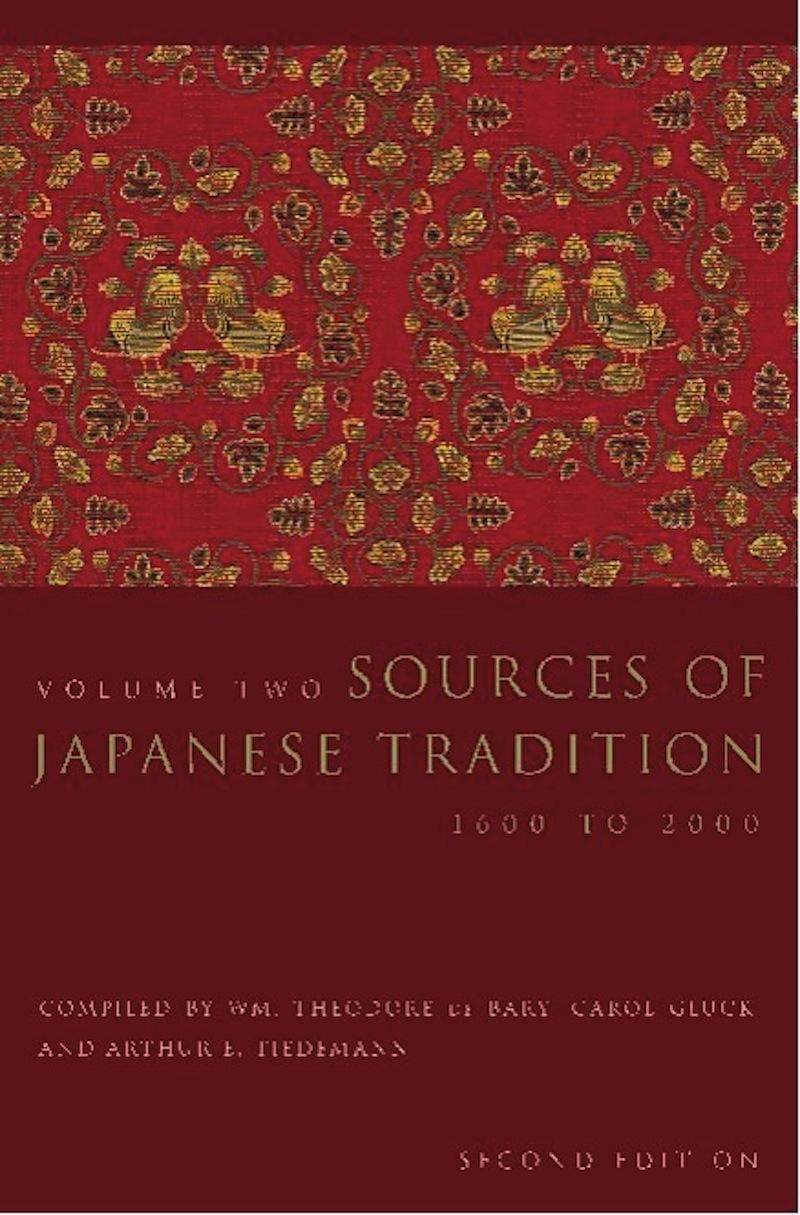
Since it was first published more than forty years ago, Sources of Japanese Tradition, Volume 2, has been considered the authoritative sourcebook for readers and scholars interested in Japan from the eighteenth century to the post-World War II period. Now greatly expanded to include the entire twentieth century, and beginning in 1600, Sources of Japanese Tradition presents writings from modern Japan's most important philosophers, religious figures, writers, and political leaders. The volume also offers extensive introductory essays and commentary to assist in understanding the documents' historical setting and significance. Wonderfully varied in its selections, this eagerly anticipated expanded edition has revised many of the texts from the original edition and added a great many not included or translated before. New additions include documents on the postwar era, the importance of education in the process of modernization, and women's issues.
Beginning with documents from the founding of the Tokugawa shogunate, the collection's essays, manifestos, religious tracts, political documents, and memoirs reflect major Japanese religious, philosophical, social, and political movements. Subjects covered include the spread of neo-Confucian and Buddhist teachings, Japanese poetry and aesthetics, and the Meiji Restoration. Other documents reflect the major political trends and events of the period: the abolition of feudalism, agrarian reform, the emergence of political parties and liberalism, and the Sino-Japanese and Russo-Japanese wars. The collection also includes Western and Japanese impressions of each other via Western religious missions and commercial and cultural exchanges. These selections underscore Japanese and Western apprehension of and fascination with each other.
As Japan entered the twentieth century, new political and social movements-Marxism, anarchism, socialism, feminism, and nationalism-entered the national consciousness. Later readings in the collection look at the buildup to war with the United States, military defeat, and American occupation. Documents from the postwar period echo Japan's struggle with its own history and its development as a capitalist democracy.
Before Memmo my notes were scattered across PDFs. Now a workspace pulls everything into one place — I see exactly what's still left to study.
Memmo's summaries are gold before exams. I don't have to re-read 800 pages two weeks before — just the important parts.
The AI chat has saved me the night before an exam more than once. I just keep asking until I get it — no waiting on a study group to reply.
The quizzes hit exactly what I need to know. Memmo tracks what I get stuck on — so I only practice what's worth it.
Flashcards with spaced repetition are magic. Memmo knows when I'm about to forget something and brings it back.
The AI podcasts are my favorite. I listen on my way to school and get a recap without sitting at a computer.

Handbok i kvalitativa metoder
281 kr

Hållbar utveckling: en introduktion för ingenjörer och andra problemlösare
334 kr

Brymans Samhällsvetenskapliga metoder
390 kr

Projektledning
491 kr

Den orättvisa hälsan: om socioekonomiska skillnader i hälsa och livslängd
326 kr

Vetenskapsteori för nybörjare
196 kr

Organizational Leadership
429 kr

På väg mot läraryrket
172 kr

Det sociala livet i skolan: Socialpsykologiska perspektiv
253 kr

Betygsättningens didaktik
151 kr

Personality
402 kr

Studying Leadership
404 kr

Managing Innovation
477 kr

Introduktion till samhällsvetenskaplig metod
347 kr

The Psychology of Sex and Gender
698 kr

Evidens och kunskap för socialt arbete
207 kr

Introduction to Leadership
605 kr