
Before Memmo my notes were scattered across PDFs. Now a workspace pulls everything into one place — I see exactly what's still left to study.
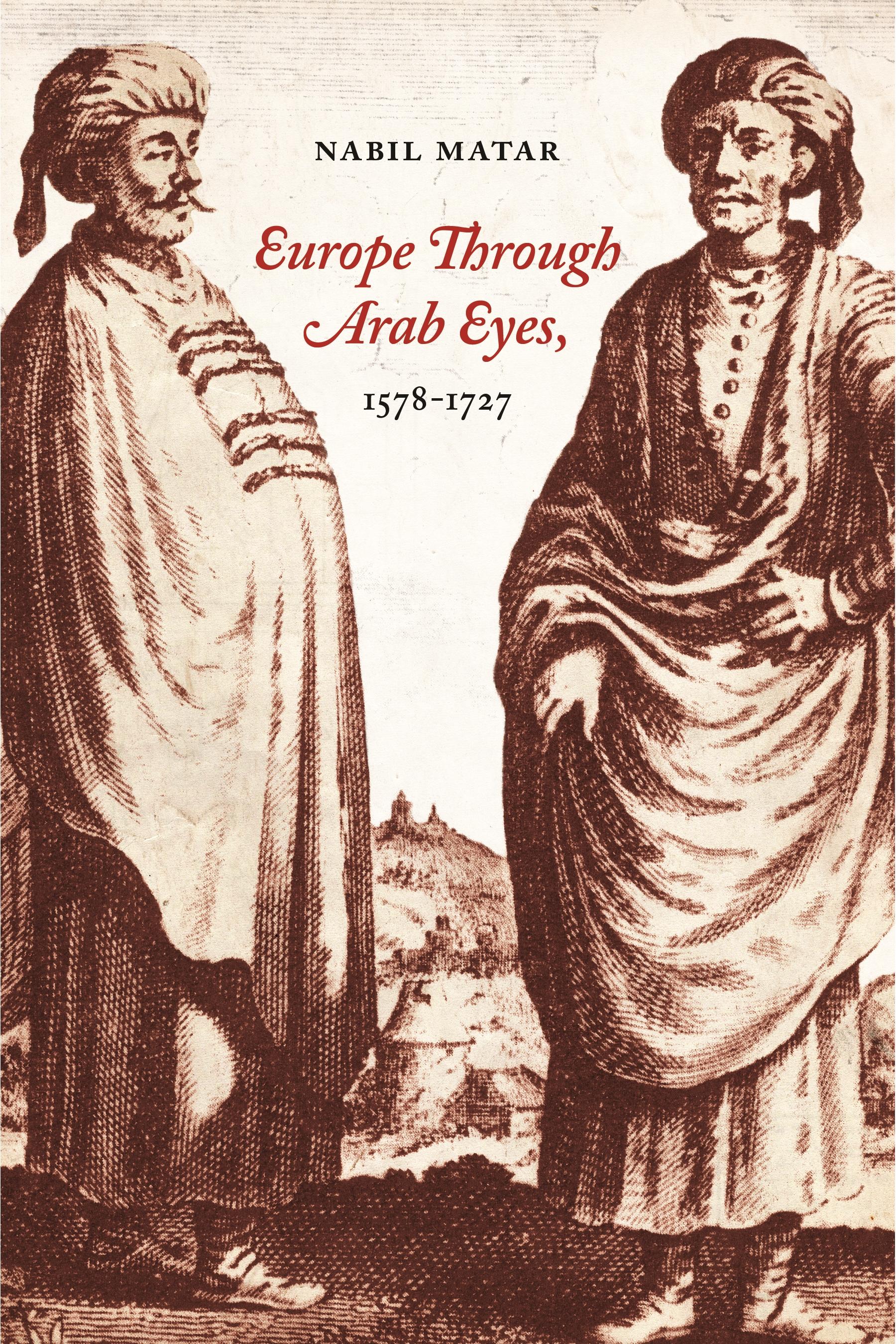
Traveling to archives in Tunisia, Morocco, France, and England, with visits to Egypt, Jordan, Lebanon, and Spain, Nabil Matar assembles a rare history of Europe's rise to power as seen through the eyes of those who were later subjugated by it. Many historians of the Middle East believe Arabs and Muslims had no interest in Europe during this period of Western discovery and empire, but in fact these groups were very much engaged with the naval and industrial development, politics, and trade of European Christendom.
Beginning in 1578 with a major Moroccan victory over a Portuguese invading army, Matar surveys this early modern period, in which Europeans and Arabs often shared common political, commercial, and military goals. Matar concentrates on how Muslim captives, ransomers, traders, envoys, travelers, and rulers pursued those goals while transmitting to the nonprint cultures of North Africa their knowledge of the peoples and societies of Spain, France, Britain, Holland, Italy, and Malta. From the first non-European description of Queen Elizabeth I to early accounts of Florence and Pisa in Arabic, from Tunisian descriptions of the Morisco expulsion in 1609 to the letters of a Moroccan Armenian ambassador in London, the translations of the book's second half draw on the popular and elite sources that were available to Arabs in the early modern period. Letters from male and female captives in Europe, chronicles of European naval attacks and the taqayid (newspaper) reports on Muslim resistance, and descriptions of opera and quinine appear here in English for the first time.
Matar notes that the Arabs of the Maghrib and the Mashriq were eager to engage Christendom, despite wars and rivalries, and hoped to establish routes of trade and alliances through treaties and royal marriages. However, the rise of an intolerant and exclusionary Christianity and the explosion of European military technology brought these advances to an end. In conclusion, Matar details the decline of Arab-Islamic power and the rise of Britain and France.
Before Memmo my notes were scattered across PDFs. Now a workspace pulls everything into one place — I see exactly what's still left to study.
Memmo's summaries are gold before exams. I don't have to re-read 800 pages two weeks before — just the important parts.
The AI chat has saved me the night before an exam more than once. I just keep asking until I get it — no waiting on a study group to reply.
The quizzes hit exactly what I need to know. Memmo tracks what I get stuck on — so I only practice what's worth it.
Flashcards with spaced repetition are magic. Memmo knows when I'm about to forget something and brings it back.
The AI podcasts are my favorite. I listen on my way to school and get a recap without sitting at a computer.

Handbok i kvalitativa metoder
281 kr

Hållbar utveckling: en introduktion för ingenjörer och andra problemlösare
334 kr

Brymans Samhällsvetenskapliga metoder
390 kr

Projektledning
491 kr

Den orättvisa hälsan: om socioekonomiska skillnader i hälsa och livslängd
326 kr

Vetenskapsteori för nybörjare
196 kr

Organizational Leadership
429 kr

På väg mot läraryrket
172 kr

Det sociala livet i skolan: Socialpsykologiska perspektiv
253 kr

Betygsättningens didaktik
151 kr

Personality
402 kr

Studying Leadership
404 kr

Managing Innovation
477 kr

Introduktion till samhällsvetenskaplig metod
347 kr

The Psychology of Sex and Gender
698 kr

Evidens och kunskap för socialt arbete
207 kr

Introduction to Leadership
605 kr