
Before Memmo my notes were scattered across PDFs. Now a workspace pulls everything into one place — I see exactly what's still left to study.
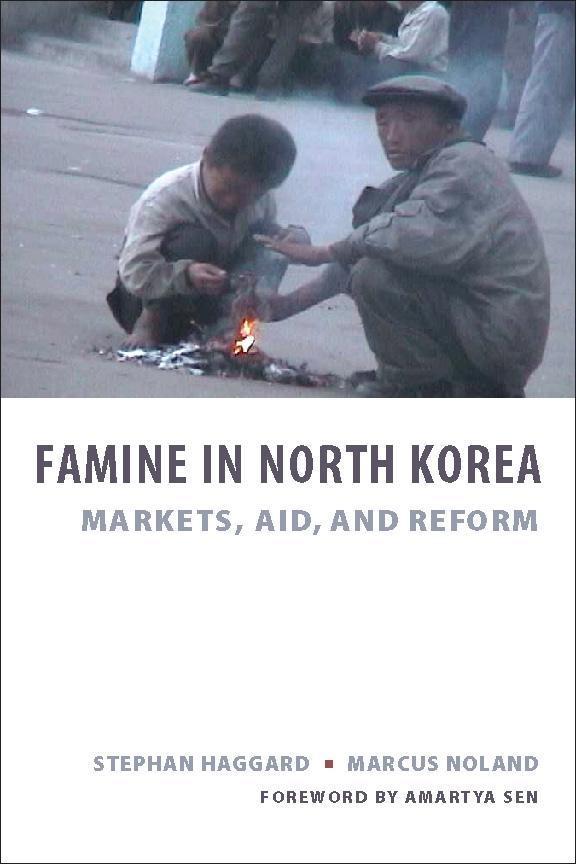
In the mid-1990s, as many as one million North Koreans died in one of the worst famines of the twentieth century. The socialist food distribution system collapsed primarily because of a misguided push for self-reliance, but was compounded by the regime's failure to formulate a quick response-including the blocking of desperately needed humanitarian relief.
As households, enterprises, local party organs, and military units tried to cope with the economic collapse, a grassroots process of marketization took root. However, rather than embracing these changes, the North Korean regime opted for tentative economic reforms with ambiguous benefits and a self-destructive foreign policy. As a result, a chronic food shortage continues to plague North Korea today.
In their carefully researched book, Stephan Haggard and Marcus Noland present the most comprehensive and penetrating account of the famine to date, examining not only the origins and aftermath of the crisis but also the regime's response to outside aid and the effect of its current policies on the country's economic future. Their study begins by considering the root causes of the famine, weighing the effects of the decline in the availability of food against its poor distribution. Then it takes a close look at the aid effort, addressing the difficulty of monitoring assistance within the country, and concludes with an analysis of current economic reforms and strategies of engagement.
North Korea's famine exemplified the depredations that can arise from tyrannical rule and the dilemmas such regimes pose for the humanitarian community, as well as the obstacles inherent in achieving economic and political reform. To reveal the state's culpability in this tragic event is a vital project of historical recovery, one that is especially critical in light of our current engagement with the "North Korean question."
Before Memmo my notes were scattered across PDFs. Now a workspace pulls everything into one place — I see exactly what's still left to study.
Memmo's summaries are gold before exams. I don't have to re-read 800 pages two weeks before — just the important parts.
The AI chat has saved me the night before an exam more than once. I just keep asking until I get it — no waiting on a study group to reply.
The quizzes hit exactly what I need to know. Memmo tracks what I get stuck on — so I only practice what's worth it.
Flashcards with spaced repetition are magic. Memmo knows when I'm about to forget something and brings it back.
The AI podcasts are my favorite. I listen on my way to school and get a recap without sitting at a computer.

Handbok i kvalitativa metoder
281 kr

Hållbar utveckling: en introduktion för ingenjörer och andra problemlösare
334 kr

Brymans Samhällsvetenskapliga metoder
390 kr

Projektledning
491 kr

Den orättvisa hälsan: om socioekonomiska skillnader i hälsa och livslängd
326 kr

Vetenskapsteori för nybörjare
196 kr

Organizational Leadership
429 kr

På väg mot läraryrket
172 kr

Det sociala livet i skolan: Socialpsykologiska perspektiv
253 kr

Betygsättningens didaktik
151 kr

Personality
402 kr

Studying Leadership
404 kr

Managing Innovation
477 kr

Introduktion till samhällsvetenskaplig metod
347 kr

The Psychology of Sex and Gender
698 kr

Evidens och kunskap för socialt arbete
207 kr

Introduction to Leadership
605 kr