
Before Memmo my notes were scattered across PDFs. Now a workspace pulls everything into one place — I see exactly what's still left to study.
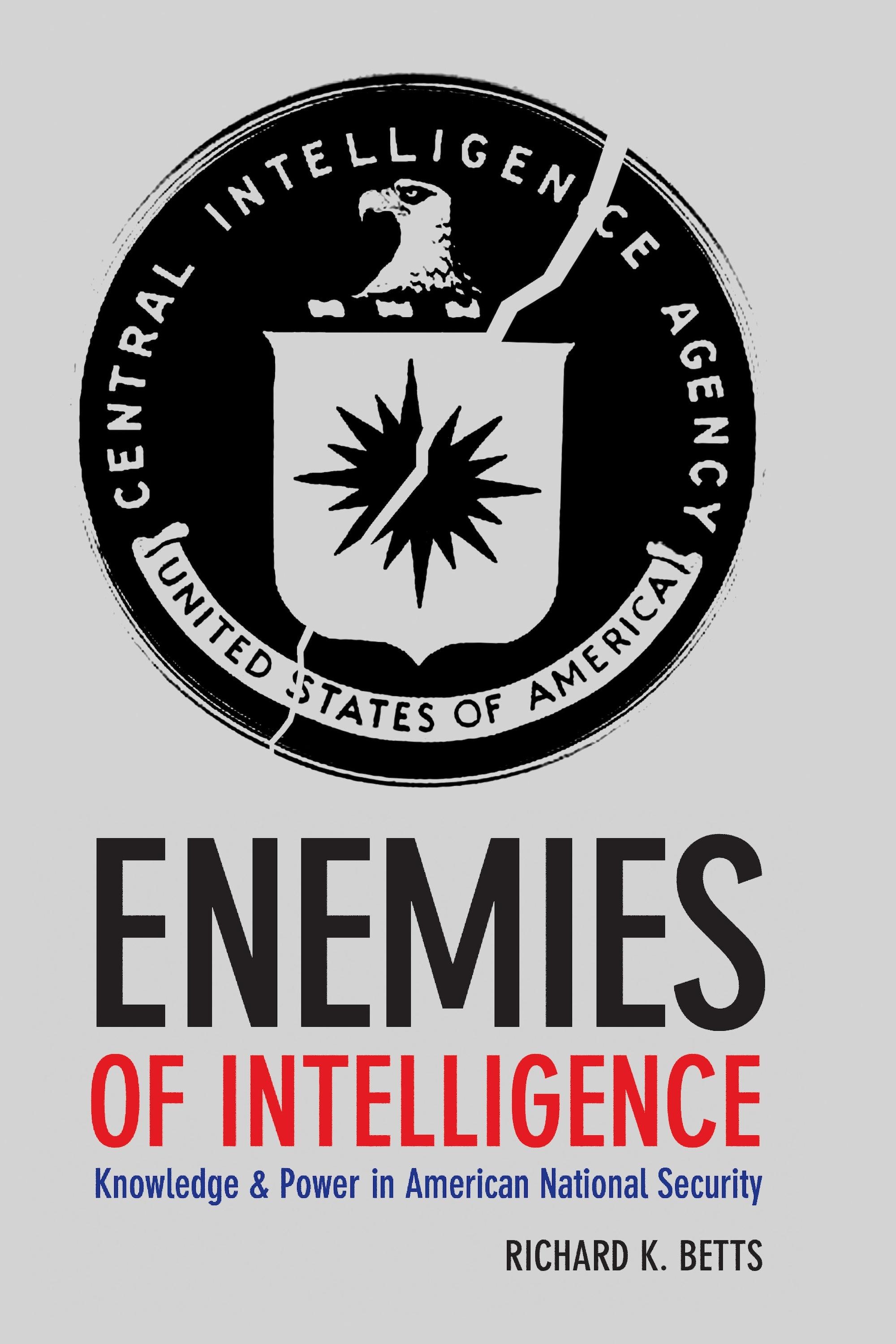
The tragic events of September 11, 2001, and the false assessment of Saddam Hussein's weapons arsenal were terrible reminders that good information is essential to national security. These failures convinced the American public that their intelligence system was broken and prompted a radical reorganization of agencies and personnel, but as Richard K. Betts argues in this book, critics and politicians have severely underestimated the obstacles to true reform.
One of the nation's foremost political scientists, Betts draws on three decades of work within the U.S. intelligence community to illuminate the paradoxes and problems that frustrate the intelligence process. Unlike America's efforts to improve its defenses against natural disasters, strengthening its strategic assessment capabilities means outwitting crafty enemies who operate beyond U.S. borders. It also requires looking within to the organizational and political dynamics of collecting information and determining its implications for policy.
Combining academic research with personal experience, Betts outlines strategies for better intelligence gathering and assessment. He describes how fixing one malfunction can create another; in what ways expertise can be both a vital tool and a source of error and misjudgment; the pitfalls of always striving for accuracy in intelligence, which in some cases can render it worthless; the danger, though unavoidable, of "politicizing" intelligence; and the issue of secrecywhen it is excessive, when it is insufficient, and how limiting privacy can in fact protect civil liberties.
Betts argues that when it comes to intelligence, citizens and politicians should focus less on consistent solutions and more on achieving a delicate balance between conflicting requirements. He also emphasizes the substantial success of the intelligence community, despite its well-publicized blunders, and highlights elements of the intelligence process that need preservation and protection. Many reformers are quick to respond to scandals and failures without detailed, historical knowledge of how the system works. Grounding his arguments in extensive theory and policy analysis, Betts takes a comprehensive and realistic look at how knowledge and power can work together to face the intelligence challenges of the twenty-first century.
Before Memmo my notes were scattered across PDFs. Now a workspace pulls everything into one place — I see exactly what's still left to study.
Memmo's summaries are gold before exams. I don't have to re-read 800 pages two weeks before — just the important parts.
The AI chat has saved me the night before an exam more than once. I just keep asking until I get it — no waiting on a study group to reply.
The quizzes hit exactly what I need to know. Memmo tracks what I get stuck on — so I only practice what's worth it.
Flashcards with spaced repetition are magic. Memmo knows when I'm about to forget something and brings it back.
The AI podcasts are my favorite. I listen on my way to school and get a recap without sitting at a computer.

Handbok i kvalitativa metoder
281 kr

Hållbar utveckling: en introduktion för ingenjörer och andra problemlösare
334 kr

Brymans Samhällsvetenskapliga metoder
390 kr

Projektledning
491 kr

Den orättvisa hälsan: om socioekonomiska skillnader i hälsa och livslängd
326 kr

Organizational Leadership
429 kr

Vetenskapsteori för nybörjare
196 kr

På väg mot läraryrket
172 kr

Det sociala livet i skolan: Socialpsykologiska perspektiv
253 kr

Betygsättningens didaktik
151 kr

Personality
402 kr

Studying Leadership
404 kr

Managing Innovation
477 kr

Introduktion till samhällsvetenskaplig metod
347 kr

The Psychology of Sex and Gender
698 kr

Evidens och kunskap för socialt arbete
207 kr

Introduction to Leadership
605 kr