
Before Memmo my notes were scattered across PDFs. Now a workspace pulls everything into one place — I see exactly what's still left to study.
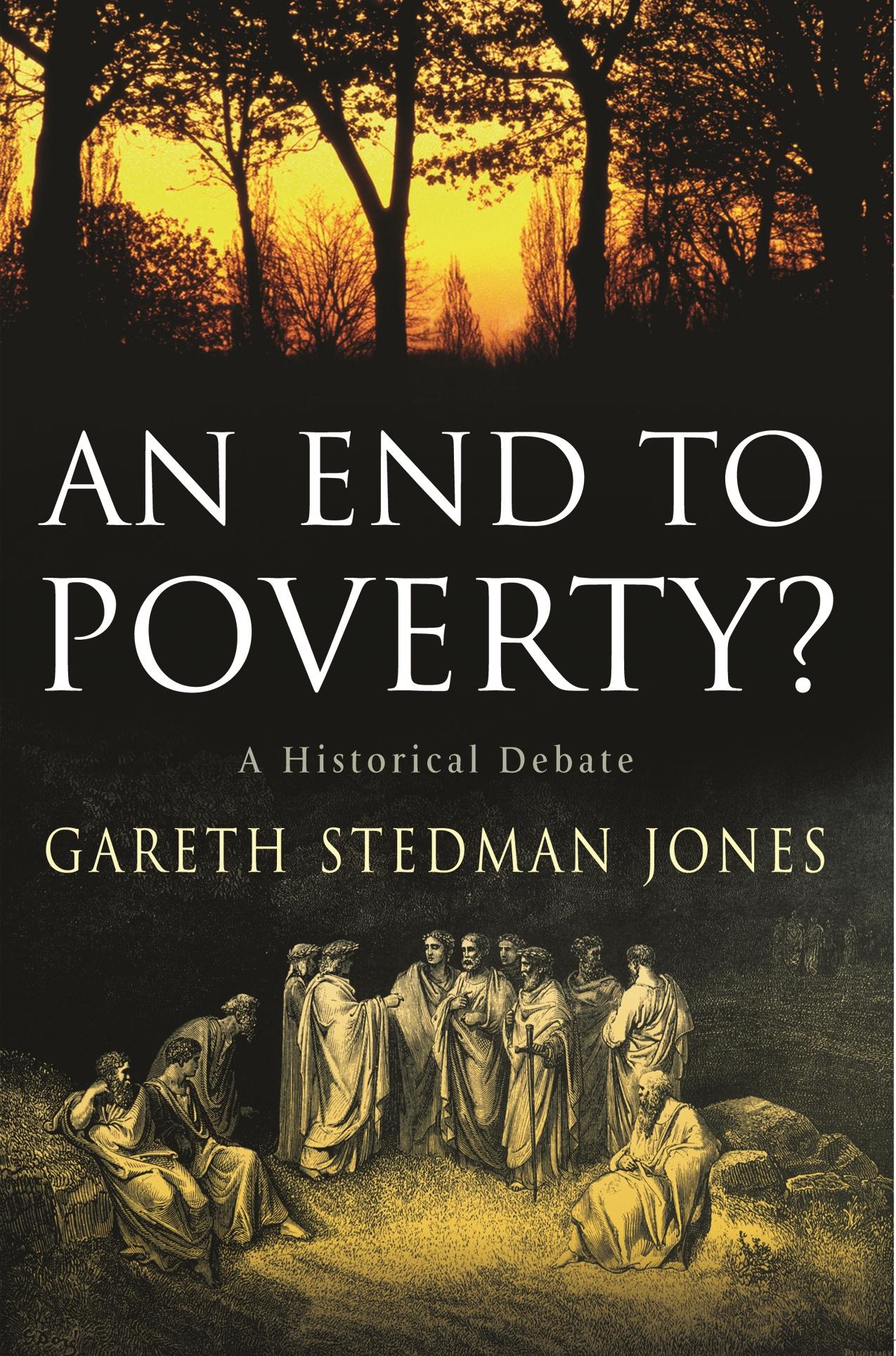
In the 1790s, for the first time, reformers proposed bringing poverty to an end. Inspired by scientific progress, the promise of an international economy, and the revolutions in France and the United States, political thinkers such as Thomas Paine and Antoine-Nicolas Condorcet argued that all citizens could be protected against the hazards of economic insecurity. In An End to Poverty? Gareth Stedman Jones revisits this founding moment in the history of social democracy and examines how it was derailed by conservative as well as leftist thinkers. By tracing the historical evolution of debates concerning poverty, Stedman Jones revives an important, but forgotten strain of progressive thought. He also demonstrates that current discussions about economic issues—downsizing, globalization, and financial regulation—were shaped by the ideological conflicts of the late eighteenth and early nineteenth centuries.
Paine and Condorcet believed that republicanism combined with universal pensions, grants to support education, and other social programs could alleviate poverty. In tracing the inspiration for their beliefs, Stedman Jones locates an unlikely source-Adam Smith. Paine and Condorcet believed that Smith's vision of a dynamic commercial society laid the groundwork for creating economic security and a more equal society.
But these early visions of social democracy were deemed too threatening to a Europe still reeling from the traumatic aftermath of the French Revolution and increasingly anxious about a changing global economy. Paine and Condorcet were demonized by Christian and conservative thinkers such as Burke and Malthus, who used Smith's ideas to support a harsher vision of society based on individualism and laissez-faire economics. Meanwhile, as the nineteenth century wore on, thinkers on the left developed more firmly anticapitalist views and criticized Paine and Condorcet for being too "bourgeois" in their thinking. Stedman Jones however, argues that contemporary social democracy should take up the mantle of these earlier thinkers, and he suggests that the elimination of poverty need not be a utopian dream but may once again be profitably made the subject of practical, political, and social-policy debates.
Before Memmo my notes were scattered across PDFs. Now a workspace pulls everything into one place — I see exactly what's still left to study.
Memmo's summaries are gold before exams. I don't have to re-read 800 pages two weeks before — just the important parts.
The AI chat has saved me the night before an exam more than once. I just keep asking until I get it — no waiting on a study group to reply.
The quizzes hit exactly what I need to know. Memmo tracks what I get stuck on — so I only practice what's worth it.
Flashcards with spaced repetition are magic. Memmo knows when I'm about to forget something and brings it back.
The AI podcasts are my favorite. I listen on my way to school and get a recap without sitting at a computer.

Handbok i kvalitativa metoder
281 kr

Hållbar utveckling: en introduktion för ingenjörer och andra problemlösare
334 kr

Brymans Samhällsvetenskapliga metoder
390 kr

Projektledning
491 kr

Den orättvisa hälsan: om socioekonomiska skillnader i hälsa och livslängd
326 kr

Organizational Leadership
429 kr

Vetenskapsteori för nybörjare
196 kr

På väg mot läraryrket
172 kr

Det sociala livet i skolan: Socialpsykologiska perspektiv
253 kr

Betygsättningens didaktik
151 kr

Personality
402 kr

Studying Leadership
404 kr

Managing Innovation
477 kr

Introduktion till samhällsvetenskaplig metod
347 kr

The Psychology of Sex and Gender
698 kr

Evidens och kunskap för socialt arbete
207 kr

Introduction to Leadership
605 kr