
Before Memmo my notes were scattered across PDFs. Now a workspace pulls everything into one place — I see exactly what's still left to study.
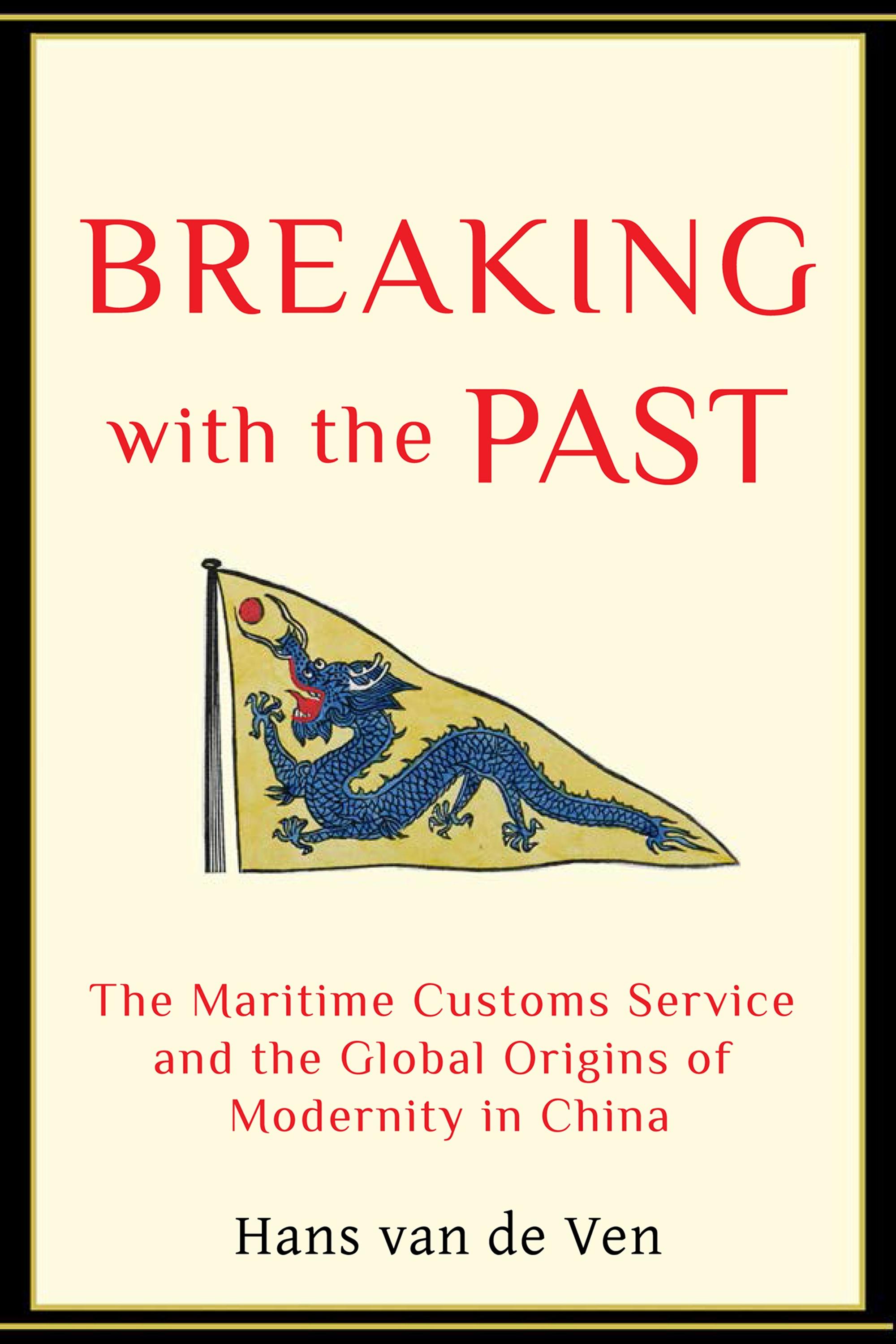
Between its founding in 1854 and its collapse in 1952, the Chinese Maritime Customs Service delivered one-third to one-half of all revenue collected by China's central authorities. Much more than a tax collector, the institution managed China's harbors, erected lighthouses, and surveyed the Chinese coast. It funded and oversaw the Translator's College, which trained Chinese diplomats while its staff translated Chinese classics, novels, and poetry and wrote important studies on the Chinese economy, its financial system, its trade, its history, and its government. It organized contributions to international exhibitions, developed its own shadow diplomacy, pioneered China's modern postal system, and even maintained its own armed force. After the 1911 Revolution, the agency became deeply involved in the management of China's international loans and domestic bond issues.
In other words, the Customs Service was pivotal to China's post-Taiping integration into the world of modern nation-states and twentieth-century trade and finance. If the Customs Service introduced the modern governance of trade to China, it also made Chinese legible to foreign audiences. Following the activities of the Inspectors General, who were virtual autocrats within the service and communicated regularly with senior Chinese officials and foreign diplomats, this history tracks the Customs Service as it transformed China and its relationship to the world. The Customs Service often kept China together when little else did. This book reveals the role of the agency in influencing the outcomes of the Sino-French War, the Boxer Rebellion, and the 1911 Revolution, as well as the rise of the Nationalists in the 1920s, and concludes with the Customs Service purges of the early 1950s, when the relentless logic of revolution dismantled the agency for good.
Before Memmo my notes were scattered across PDFs. Now a workspace pulls everything into one place — I see exactly what's still left to study.
Memmo's summaries are gold before exams. I don't have to re-read 800 pages two weeks before — just the important parts.
The AI chat has saved me the night before an exam more than once. I just keep asking until I get it — no waiting on a study group to reply.
The quizzes hit exactly what I need to know. Memmo tracks what I get stuck on — so I only practice what's worth it.
Flashcards with spaced repetition are magic. Memmo knows when I'm about to forget something and brings it back.
The AI podcasts are my favorite. I listen on my way to school and get a recap without sitting at a computer.

Handbok i kvalitativa metoder
281 kr

Hållbar utveckling: en introduktion för ingenjörer och andra problemlösare
334 kr

Brymans Samhällsvetenskapliga metoder
390 kr

Projektledning
491 kr

Den orättvisa hälsan: om socioekonomiska skillnader i hälsa och livslängd
326 kr

Organizational Leadership
429 kr

Vetenskapsteori för nybörjare
196 kr

På väg mot läraryrket
172 kr

Det sociala livet i skolan: Socialpsykologiska perspektiv
253 kr

Betygsättningens didaktik
151 kr

Personality
402 kr

Studying Leadership
404 kr

Managing Innovation
477 kr

Introduktion till samhällsvetenskaplig metod
347 kr

The Psychology of Sex and Gender
698 kr

Evidens och kunskap för socialt arbete
207 kr

Introduction to Leadership
605 kr