
Before Memmo my notes were scattered across PDFs. Now a workspace pulls everything into one place — I see exactly what's still left to study.
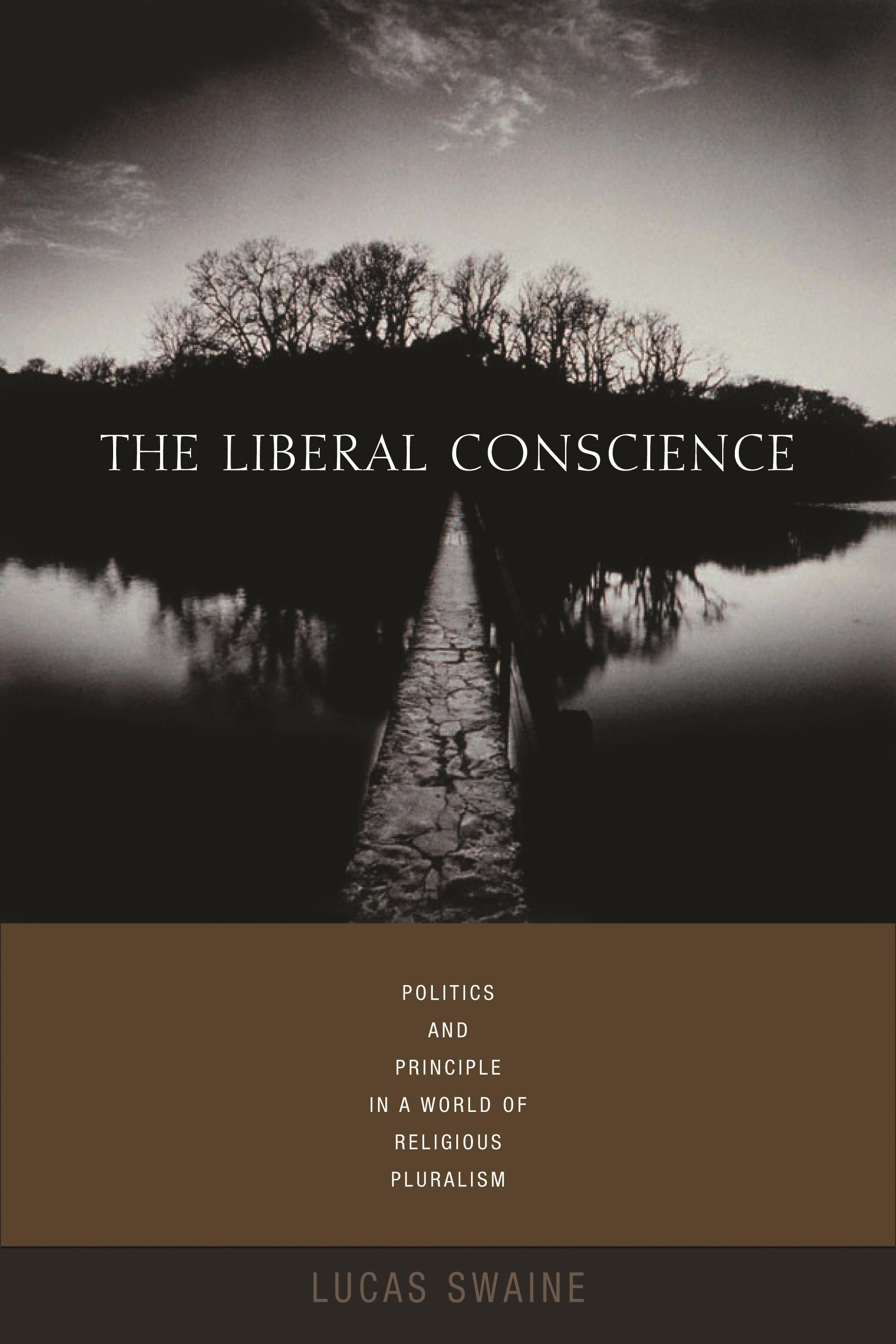
"A new liberal theory awaits, one that properly acknowledges the fundamental values and commitments of theocrats and liberals alike."—from The Liberal of Conscience
In recent years, the battle between liberalism and theocracy has taken center stage around the globe. To many it is a dispute that can only end in a confrontation of competing values and worldviews. In this bold new work, Lucas Swaine combines discussions of political philosophy and real-world events to provide solutions to this seemingly intractable conflict. By opening a dialogue between theocracy and liberalism and offering strategies for interacting with politically ambitious theocrats, Swaine offers new and vital perspectives on the role of religion in liberal, multicultural societies.
Swaine begins by exploring the nature and development of theocratic communities and the moral and political challenges they pose to liberal societies. He argues that in their treatment of theocratic communities, liberal societies have failed to uphold their own stated principles of religious toleration. They have also neglected to formulate a suitable schema for treating theocratic communities ensconced in liberal democracies and to provide reasons for theocrats to affirm liberal institutions. Swaine calls upon liberals to redefine and reassert the fundamental importance of liberty of conscience. By doing so, liberal societies will reinvigorate their own traditions, while also assuaging religious conflict. In addition to philosophical arguments, Swaine proposes a new legal standard that offers theocratic communities quasi sovereignty within liberal democracies.
Theocrats also have much to gain from embracing liberalism and the principle of liberty of conscience. Swaine argues that liberalism can be made more appealing to the values and concerns of theocrats if the liberal commitment to freedom of conscience is clarified and modified and if liberals take a fresh approach to conceptualizing and promulgating liberal principles, institutions, and laws.
Before Memmo my notes were scattered across PDFs. Now a workspace pulls everything into one place — I see exactly what's still left to study.
Memmo's summaries are gold before exams. I don't have to re-read 800 pages two weeks before — just the important parts.
The AI chat has saved me the night before an exam more than once. I just keep asking until I get it — no waiting on a study group to reply.
The quizzes hit exactly what I need to know. Memmo tracks what I get stuck on — so I only practice what's worth it.
Flashcards with spaced repetition are magic. Memmo knows when I'm about to forget something and brings it back.
The AI podcasts are my favorite. I listen on my way to school and get a recap without sitting at a computer.

Handbok i kvalitativa metoder
281 kr

Hållbar utveckling: en introduktion för ingenjörer och andra problemlösare
334 kr

Brymans Samhällsvetenskapliga metoder
390 kr

Projektledning
491 kr

Den orättvisa hälsan: om socioekonomiska skillnader i hälsa och livslängd
326 kr

Vetenskapsteori för nybörjare
196 kr

Organizational Leadership
429 kr

På väg mot läraryrket
172 kr

Det sociala livet i skolan: Socialpsykologiska perspektiv
253 kr

Betygsättningens didaktik
151 kr

Personality
402 kr

Studying Leadership
404 kr

Managing Innovation
477 kr

Introduktion till samhällsvetenskaplig metod
347 kr

The Psychology of Sex and Gender
698 kr

Evidens och kunskap för socialt arbete
207 kr

Introduction to Leadership
605 kr