
Before Memmo my notes were scattered across PDFs. Now a workspace pulls everything into one place — I see exactly what's still left to study.
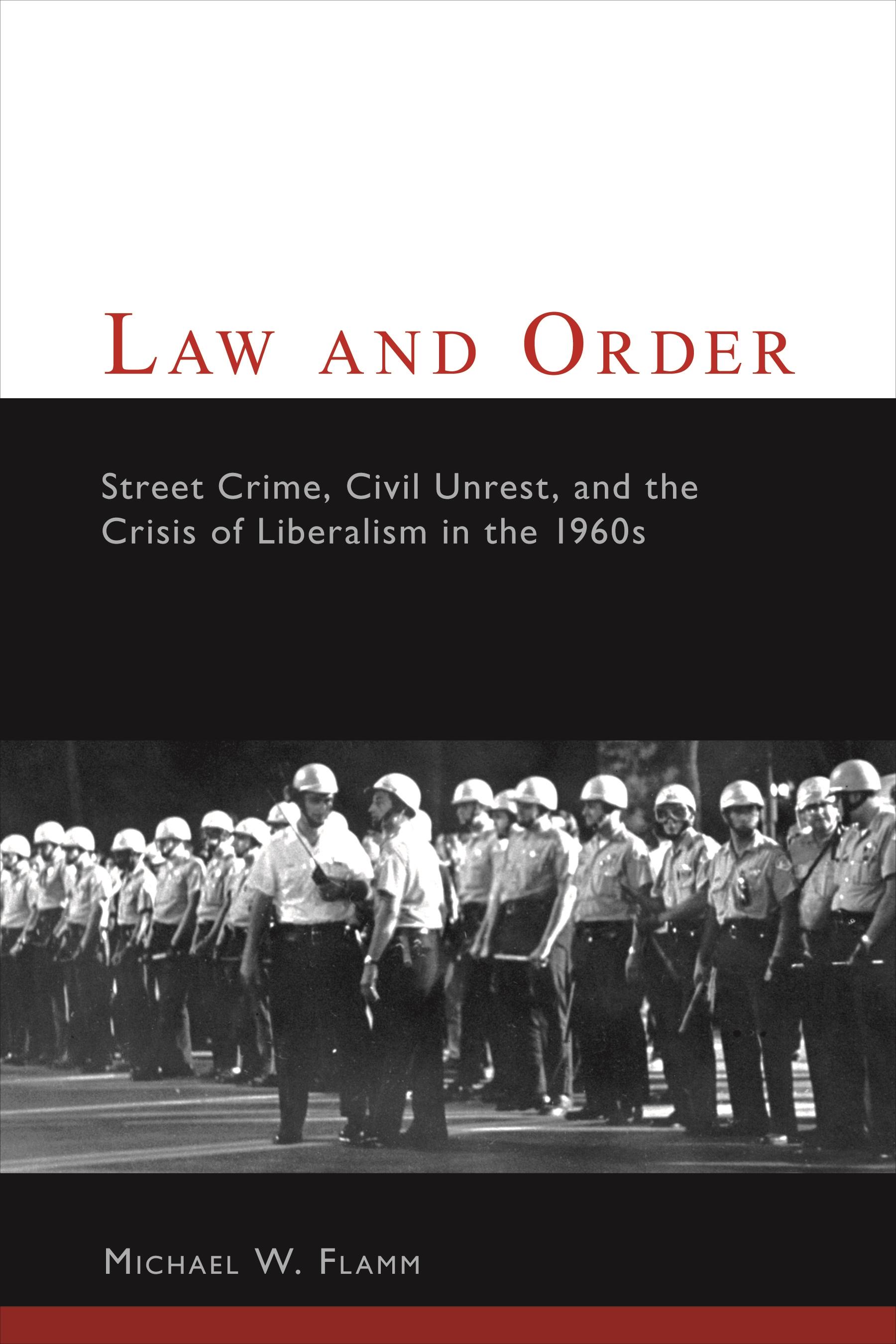
Law and Order offers a valuable new study of the political and social history of the 1960s. It presents a sophisticated account of how the issues of street crime and civil unrest enhanced the popularity of conservatives, eroded the credibility of liberals, and transformed the landscape of American politics. Ultimately, the legacy of law and order was a political world in which the grand ambitions of the Great Society gave way to grim expectations.
In the mid-1960s, amid a pervasive sense that American society was coming apart at the seams, a new issue known as law and order emerged at the forefront of national politics. First introduced by Barry Goldwater in his ill-fated run for president in 1964, it eventually punished Lyndon Johnson and the Democrats and propelled Richard Nixon and the Republicans to the White House in 1968. In this thought-provoking study, Michael Flamm examines how conservatives successfully blamed liberals for the rapid rise in street crime and then skillfully used law and order to link the understandable fears of white voters to growing unease about changing moral values, the civil rights movement, urban disorder, and antiwar protests.
Flamm documents how conservatives constructed a persuasive message that argued that the civil rights movement had contributed to racial unrest and the Great Society had rewarded rather than punished the perpetrators of violence. The president should, conservatives also contended, promote respect for law and order and contempt for those who violated it, regardless of cause. Liberals, Flamm argues, were by contrast unable to craft a compelling message for anxious voters. Instead, liberals either ignored the crime crisis, claimed that law and order was a racist ruse, or maintained that social programs would solve the "root causes" of civil disorder, which by 1968 seemed increasingly unlikely and contributed to a loss of faith in the ability of the government to do what it was above all sworn to do-protect personal security and private property.
Before Memmo my notes were scattered across PDFs. Now a workspace pulls everything into one place — I see exactly what's still left to study.
Memmo's summaries are gold before exams. I don't have to re-read 800 pages two weeks before — just the important parts.
The AI chat has saved me the night before an exam more than once. I just keep asking until I get it — no waiting on a study group to reply.
The quizzes hit exactly what I need to know. Memmo tracks what I get stuck on — so I only practice what's worth it.
Flashcards with spaced repetition are magic. Memmo knows when I'm about to forget something and brings it back.
The AI podcasts are my favorite. I listen on my way to school and get a recap without sitting at a computer.

Handbok i kvalitativa metoder
281 kr

Hållbar utveckling: en introduktion för ingenjörer och andra problemlösare
334 kr

Brymans Samhällsvetenskapliga metoder
390 kr

Projektledning
491 kr

Den orättvisa hälsan: om socioekonomiska skillnader i hälsa och livslängd
326 kr

Organizational Leadership
429 kr

Vetenskapsteori för nybörjare
196 kr

På väg mot läraryrket
172 kr

Det sociala livet i skolan: Socialpsykologiska perspektiv
253 kr

Betygsättningens didaktik
151 kr

Personality
402 kr

Studying Leadership
404 kr

Managing Innovation
477 kr

Introduktion till samhällsvetenskaplig metod
347 kr

The Psychology of Sex and Gender
698 kr

Evidens och kunskap för socialt arbete
207 kr

Introduction to Leadership
605 kr