
Before Memmo my notes were scattered across PDFs. Now a workspace pulls everything into one place — I see exactly what's still left to study.
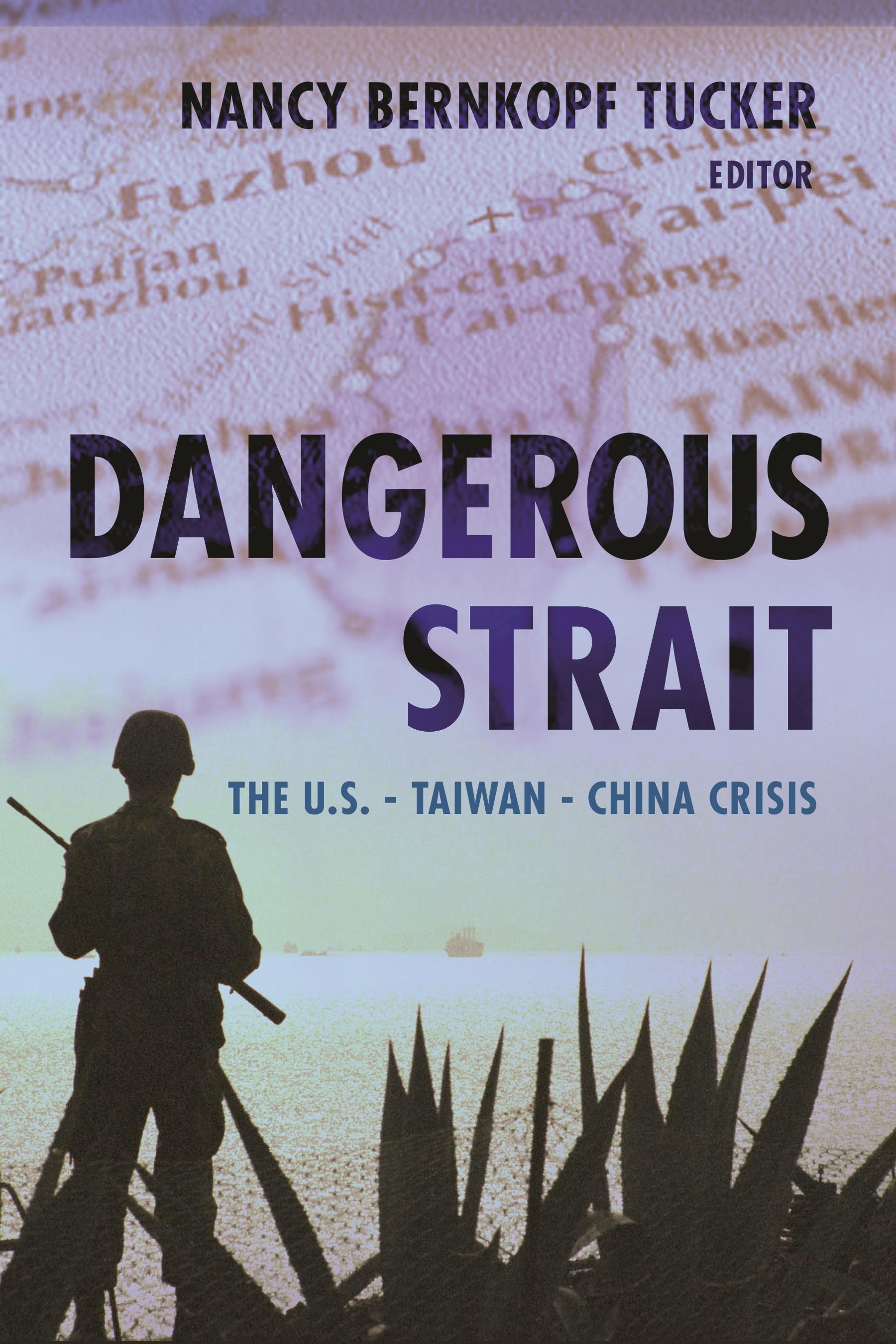
Today the most dangerous place on earth is arguably the Taiwan Strait, where a war between the United States and China could erupt out of miscalculation, misunderstanding, or accident. How and to what degree Taiwan pursues its own national identity will have profound ramifications in its relationship with China as well as in relations between China and the United States.
Events late in 2004 demonstrated the volatility of the situation, as Taiwan's legislative elections unexpectedly preserved a slim majority for supporters of closer relations with China. Beijing, nevertheless, threatened to pass an anti-secession law, apt to revitalize pro-independence forces in Taiwan—and make war more likely. Taking change as a central theme, these essays by prominent scholars and practitioners in the arena of U.S.-Taiwan-Chinese relations combine historical context with timely analysis of an accelerating crisis. The book clarifies historical developments, examines myths about past and present policies, and assesses issues facing contemporary policymakers. Moving beyond simplistic explanations that dominate discussion about the U.S.-Taiwan-China relationship, Dangerous Strait challenges common wisdom and approaches the political, economic, and strategic aspects of the cross-Strait situation anew. The result is a collection that provides fresh and much-needed insights into a complex problem and examines the ways in which catastrophe can be avoided.
The essays examine a variety of issues, including the movement for independence and its place in Taiwanese domestic politics; the underlying weaknesses of democracy in Taiwan; and the significance of China and Taiwan's economic interdependence. In the security arena, contributors provide incisive critiques of Taiwan's incomplete military modernization; strains in U.S.-Taiwan relations and their differing interpretations of China's intentions; and the misguided inclination among some U.S. policymakers to abandon Washington's traditional policy of strategic ambiguity.
Before Memmo my notes were scattered across PDFs. Now a workspace pulls everything into one place — I see exactly what's still left to study.
Memmo's summaries are gold before exams. I don't have to re-read 800 pages two weeks before — just the important parts.
The AI chat has saved me the night before an exam more than once. I just keep asking until I get it — no waiting on a study group to reply.
The quizzes hit exactly what I need to know. Memmo tracks what I get stuck on — so I only practice what's worth it.
Flashcards with spaced repetition are magic. Memmo knows when I'm about to forget something and brings it back.
The AI podcasts are my favorite. I listen on my way to school and get a recap without sitting at a computer.

Handbok i kvalitativa metoder
281 kr

Hållbar utveckling: en introduktion för ingenjörer och andra problemlösare
334 kr

Brymans Samhällsvetenskapliga metoder
390 kr

Projektledning
491 kr

Den orättvisa hälsan: om socioekonomiska skillnader i hälsa och livslängd
326 kr

Organizational Leadership
429 kr

Vetenskapsteori för nybörjare
196 kr

På väg mot läraryrket
172 kr

Det sociala livet i skolan: Socialpsykologiska perspektiv
253 kr

Betygsättningens didaktik
151 kr

Personality
402 kr

Studying Leadership
404 kr

Managing Innovation
477 kr

Introduktion till samhällsvetenskaplig metod
347 kr

The Psychology of Sex and Gender
698 kr

Evidens och kunskap för socialt arbete
207 kr

Introduction to Leadership
605 kr