
Before Memmo my notes were scattered across PDFs. Now a workspace pulls everything into one place — I see exactly what's still left to study.
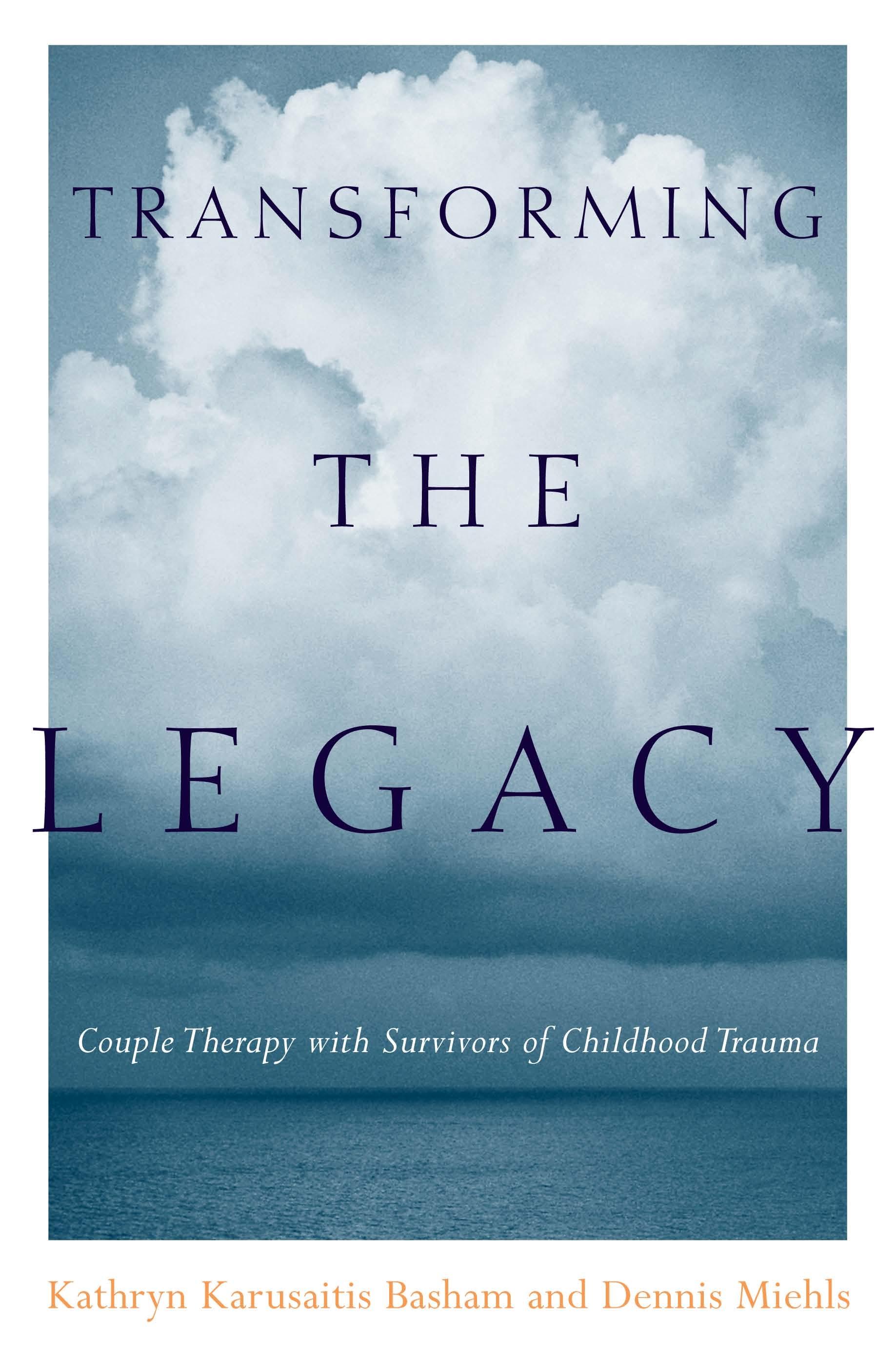
To serve the increasing numbers of individuals who have survived interpersonal and domestic violence, or as refugees, have sought asylum from political violence, armed conflict, or torture, Transforming the Legacy presents an innovative relationship-based and culturally informed couple therapy practice model that is grounded in a synthesis of psychological and social theories. This unique couple therapy model encompasses three phases of clinical practice: Phase I entails a process of establishing safety, stabilization, and a context for changing legacies of emotional, sexual, and/or physical abuse. Phase II guides reflection on the trauma narrative. The goal of phase III is to consolidate new perspectives, attitudes, and behaviors.
Within these phases, the model—illustrated with rich case studies—focuses on specific issues, including: intersubjectivity between the client and clinician (such as transference and countertransference, vicarious traumatization, and racial identity development); intrapersonal, interactional, and institutional factors; the role of the "victim-victimizer-bystander" dynamic in the couple and therapeutic relationships; preserving a locus of control with clients; flexibility in decisionmaking regarding clinical processes; and specific practice themes, such as the composition of a couple, the role of violence, parenting, sexuality, affairs, dual diagnoses, and dissociation.
A dramatic departure from formulaic therapeutic approaches, this biopsychosocial model emphasizes the crafting of specific treatment plans and specific clinical interventions to show how couple therapy can transform the legacies of childhood traumatic events for a wide range of populations, including military couples and families, gay lesbian/bisexual/transgendered couples and families, and immigrant and refugee couples and families. This thorough attention to issues of cultural diversity distinguish Transforming the Legacy from the current literature and make it an invaluable resource for clinicians in a wide range of professional disciplines.
Before Memmo my notes were scattered across PDFs. Now a workspace pulls everything into one place — I see exactly what's still left to study.
Memmo's summaries are gold before exams. I don't have to re-read 800 pages two weeks before — just the important parts.
The AI chat has saved me the night before an exam more than once. I just keep asking until I get it — no waiting on a study group to reply.
The quizzes hit exactly what I need to know. Memmo tracks what I get stuck on — so I only practice what's worth it.
Flashcards with spaced repetition are magic. Memmo knows when I'm about to forget something and brings it back.
The AI podcasts are my favorite. I listen on my way to school and get a recap without sitting at a computer.

Handbok i kvalitativa metoder
281 kr

Hållbar utveckling: en introduktion för ingenjörer och andra problemlösare
334 kr

Brymans Samhällsvetenskapliga metoder
390 kr

Projektledning
491 kr

Den orättvisa hälsan: om socioekonomiska skillnader i hälsa och livslängd
326 kr

Vetenskapsteori för nybörjare
196 kr

Organizational Leadership
429 kr

På väg mot läraryrket
172 kr

Det sociala livet i skolan: Socialpsykologiska perspektiv
253 kr

Betygsättningens didaktik
151 kr

Personality
402 kr

Studying Leadership
404 kr

Managing Innovation
477 kr

Introduktion till samhällsvetenskaplig metod
347 kr

The Psychology of Sex and Gender
698 kr

Evidens och kunskap för socialt arbete
207 kr

Introduction to Leadership
605 kr