
Before Memmo my notes were scattered across PDFs. Now a workspace pulls everything into one place — I see exactly what's still left to study.
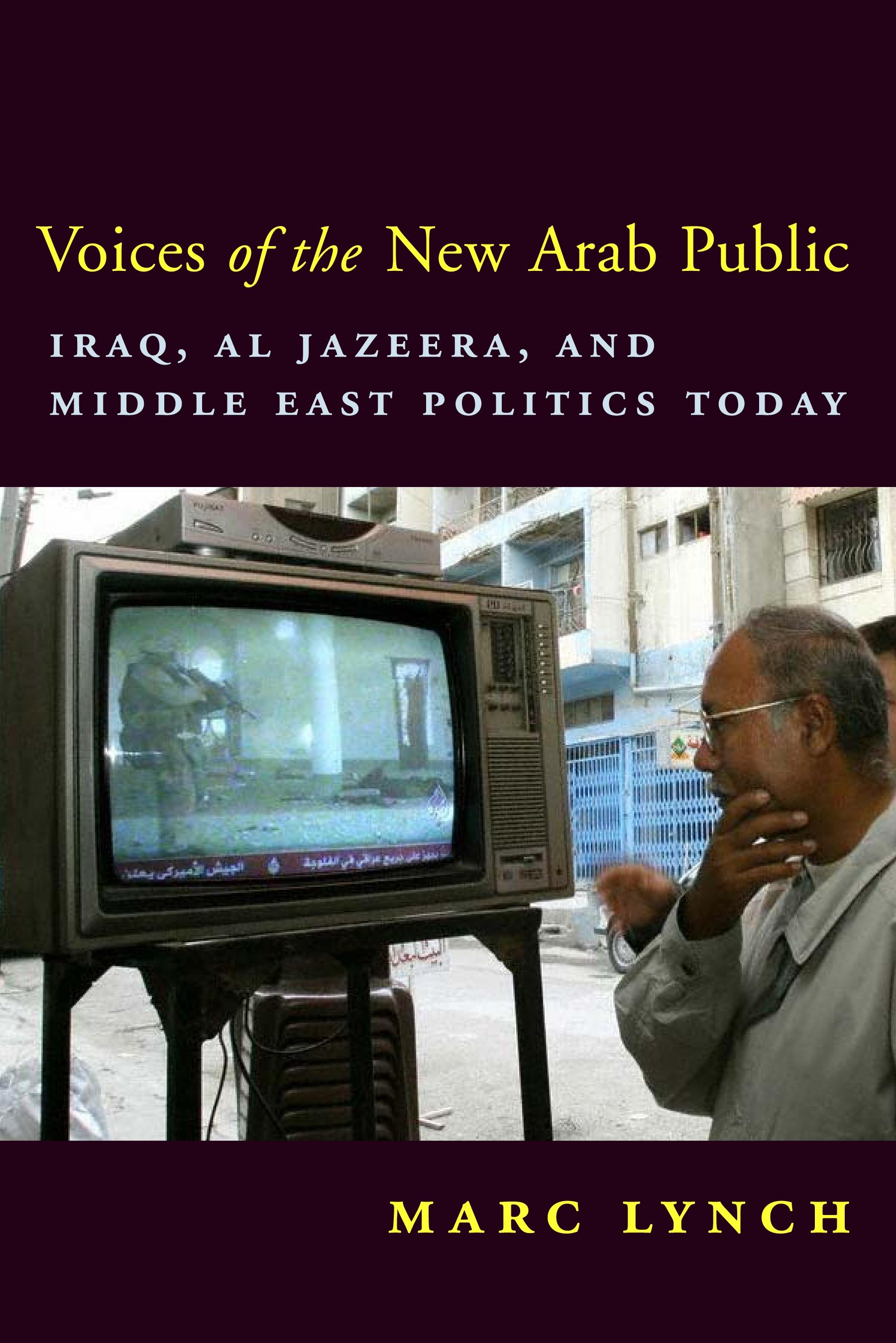
Al-Jazeera and other satellite television stations have transformed Arab politics over the last decade. By shattering state control over information and giving a platform to long-stifled voices, these new Arab media have challenged the status quo by encouraging open debate about Iraq, Palestine, Islamism, Arab identity, and other vital political and social issues. These public arguments have redefined what it means to be Arab and reshaped the realm of political possibility. As Marc Lynch shows, the days of monolithic Arab opinion are over. How Arab governments and the United States engage this newly confident and influential public sphere will profoundly shape the future of the Arab world.
Marc Lynch draws on interviews conducted in the Middle East and analyses of Arab satellite television programs, op-ed pages, and public opinion polls to examine the nature, evolution, and influence of the new Arab public sphere. Lynch, who pays close attention to what is actually being said and talked about in the Arab world, takes the contentious issue of Iraq-which has divided Arabs like no other issue-to show how the media revolutionized the formation and expression of public opinion. He presents detailed discussions of Arab arguments about sanctions and the 2003 British and American invasion and occupation of Iraq. While Arabs strongly disagreed about Saddam's regime, they increasingly saw the effects of sanctions as a potent symbol of the suffering of all Arabs. Anger and despair over these sanctions shaped Arab views of America, their governments, and themselves.
Lynch also suggests how the United States can develop and improve its engagement with the Arab public sphere. He argues that the United States should move beyond treating the Arab public sphere as either an enemy to be defeated or an object to be manipulated via public relations. Instead of wasting vast sums of money on a satellite television station nobody watches, the United States should enter the public sphere as it really exists.
Before Memmo my notes were scattered across PDFs. Now a workspace pulls everything into one place — I see exactly what's still left to study.
Memmo's summaries are gold before exams. I don't have to re-read 800 pages two weeks before — just the important parts.
The AI chat has saved me the night before an exam more than once. I just keep asking until I get it — no waiting on a study group to reply.
The quizzes hit exactly what I need to know. Memmo tracks what I get stuck on — so I only practice what's worth it.
Flashcards with spaced repetition are magic. Memmo knows when I'm about to forget something and brings it back.
The AI podcasts are my favorite. I listen on my way to school and get a recap without sitting at a computer.

Handbok i kvalitativa metoder
281 kr

Hållbar utveckling: en introduktion för ingenjörer och andra problemlösare
334 kr

Brymans Samhällsvetenskapliga metoder
390 kr

Projektledning
491 kr

Den orättvisa hälsan: om socioekonomiska skillnader i hälsa och livslängd
326 kr

Vetenskapsteori för nybörjare
196 kr

Organizational Leadership
429 kr

På väg mot läraryrket
172 kr

Det sociala livet i skolan: Socialpsykologiska perspektiv
253 kr

Betygsättningens didaktik
151 kr

Personality
402 kr

Studying Leadership
404 kr

Managing Innovation
477 kr

Introduktion till samhällsvetenskaplig metod
347 kr

The Psychology of Sex and Gender
698 kr

Evidens och kunskap för socialt arbete
207 kr

Introduction to Leadership
605 kr