
Before Memmo my notes were scattered across PDFs. Now a workspace pulls everything into one place — I see exactly what's still left to study.
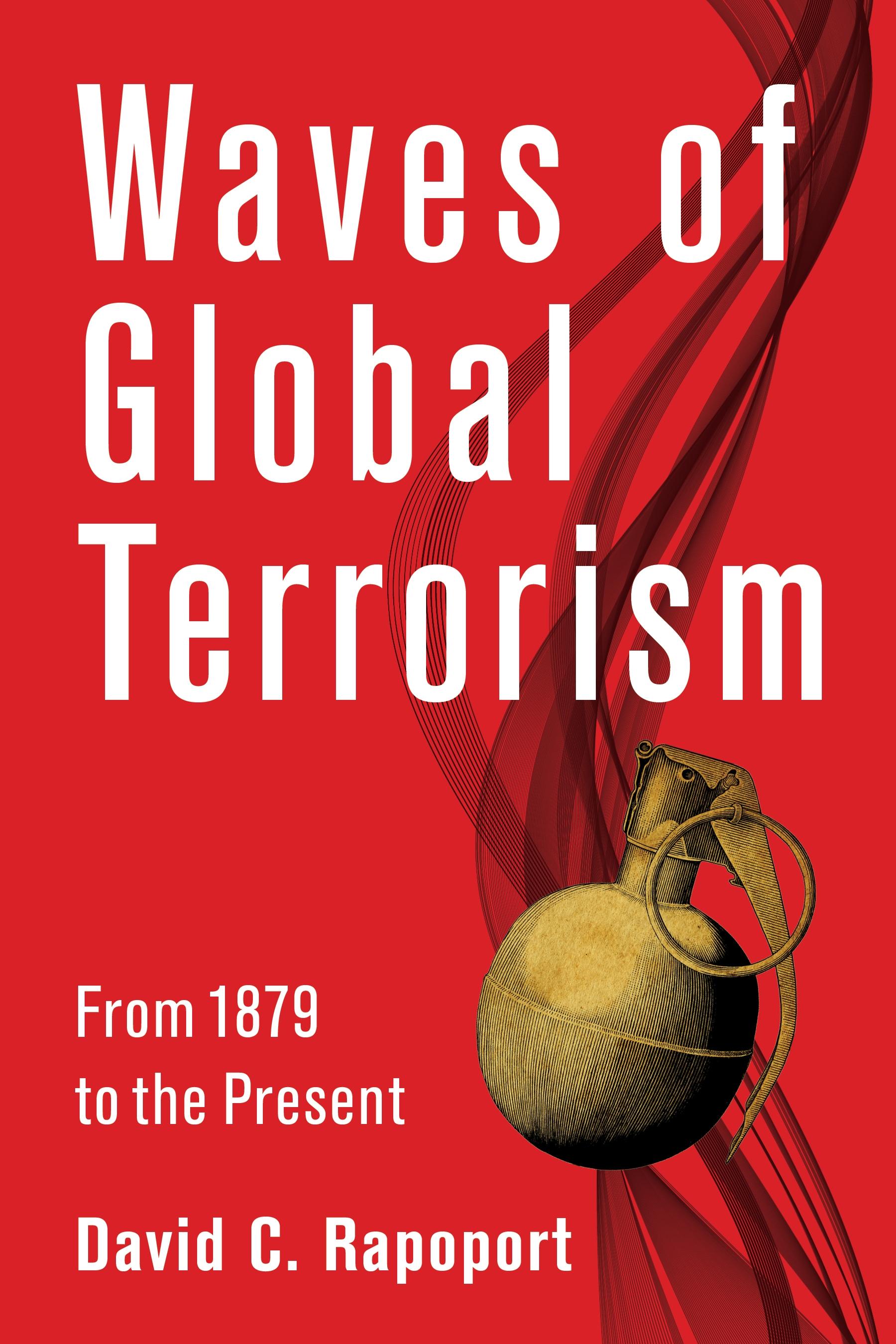
Terrorism is a persistent form of political violence, but it appears intermittently, afflicting certain places in certain eras while others remain unscathed. Since the late nineteenth century, it has risen and fallen in recurrent generation-long spasms in which hundreds of short-lived groups wreak havoc. Why have past outbreaks of terror tended to come in waves, and how does this pattern shed light on future threats?
David C. Rapoport, a preeminent scholar of political violence, identifies and analyzes four distinct waves of global terrorism. He examines the dynamics of each wave, contrasting their tactics, targets, and goals and placing them in the context of the much longer history of terrorism. Global terror emerged in the 1880s after technological changes transformed communication and transportation and dynamite enabled individuals or small groups to carry out bombings. Emanating from Russia, a first wave of anarchists assassinated prominent figures in what they called “propaganda of the deed.” This was followed by a second wave of anticolonial terrorism that arose in the British Empire in the 1920s. Beginning in the 1960s, a third wave of New Left movements took hostages and hijacked airplanes. Most recently, religious movements—mostly but not entirely in the Islamic world—have constituted a fourth wave, pioneering self-martyrdom or suicide bombing. Rapoport also considers whether a fifth wave of anti-immigrant or white supremacist terror is emerging today. Recasting the complex history of modern political violence, Waves of Global Terrorism makes a major contribution to our understanding of the roots of contemporary terrorism.
Before Memmo my notes were scattered across PDFs. Now a workspace pulls everything into one place — I see exactly what's still left to study.
Memmo's summaries are gold before exams. I don't have to re-read 800 pages two weeks before — just the important parts.
The AI chat has saved me the night before an exam more than once. I just keep asking until I get it — no waiting on a study group to reply.
The quizzes hit exactly what I need to know. Memmo tracks what I get stuck on — so I only practice what's worth it.
Flashcards with spaced repetition are magic. Memmo knows when I'm about to forget something and brings it back.
The AI podcasts are my favorite. I listen on my way to school and get a recap without sitting at a computer.

Handbok i kvalitativa metoder
281 kr

Hållbar utveckling: en introduktion för ingenjörer och andra problemlösare
334 kr

Brymans Samhällsvetenskapliga metoder
390 kr

Projektledning
491 kr

Den orättvisa hälsan: om socioekonomiska skillnader i hälsa och livslängd
326 kr

Organizational Leadership
429 kr

Vetenskapsteori för nybörjare
196 kr

På väg mot läraryrket
172 kr

Det sociala livet i skolan: Socialpsykologiska perspektiv
253 kr

Betygsättningens didaktik
151 kr

Personality
402 kr

Studying Leadership
404 kr

Managing Innovation
477 kr

Introduktion till samhällsvetenskaplig metod
347 kr

The Psychology of Sex and Gender
698 kr

Evidens och kunskap för socialt arbete
207 kr

Introduction to Leadership
605 kr