
Before Memmo my notes were scattered across PDFs. Now a workspace pulls everything into one place — I see exactly what's still left to study.
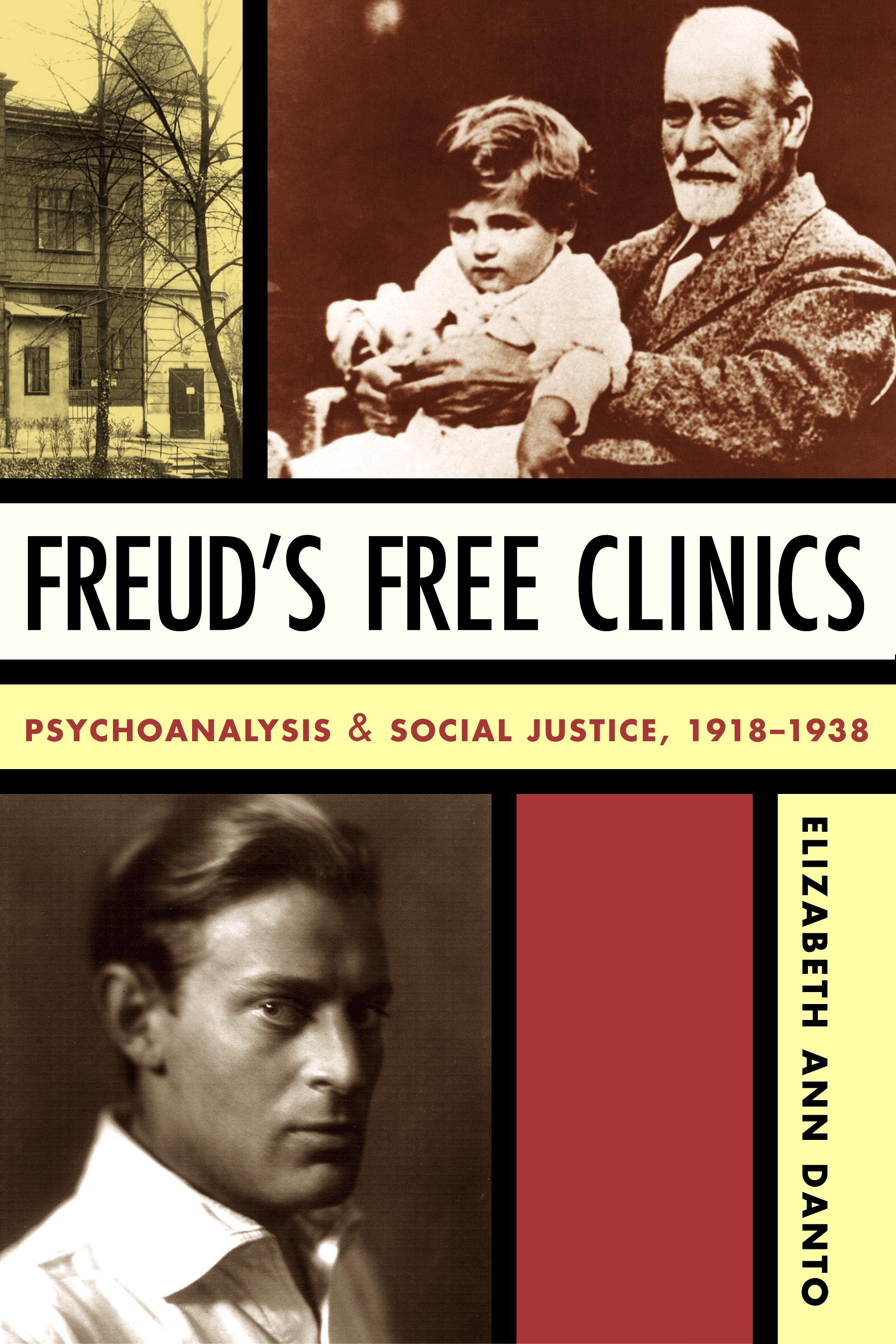
Today many view Sigmund Freud as an elitist whose psychoanalytic treatment was reserved for the intellectually and financially advantaged. However, in this new work Elizabeth Ann Danto presents a strikingly different picture of Freud and the early psychoanalytic movement. Danto recovers the neglected history of Freud and other analysts' intense social activism and their commitment to treating the poor and working classes.
Danto's narrative begins in the years following the end of World War I and the fall of the Habsburg Empire. Joining with the social democratic and artistic movements that were sweeping across Central and Western Europe, analysts such as Freud, Wilhelm Reich, Erik Erikson, Karen Horney, Erich Fromm, and Helene Deutsch envisioned a new role for psychoanalysis. These psychoanalysts saw themselves as brokers of social change and viewed psychoanalysis as a challenge to conventional political and social traditions. Between 1920 and 1938 and in ten different cities, they created outpatient centers that provided free mental health care. They believed that psychoanalysis would share in the transformation of civil society and that these new outpatient centers would help restore people to their inherently good and productive selves.
Drawing on oral histories and new archival material, Danto offers vivid portraits of the movement's central figures and their beliefs. She explores the successes, failures, and challenges faced by free institutes such as the Berlin Poliklinik, the Vienna Ambulatorium, and Alfred Adler's child-guidance clinics. She also describes the efforts of Wilhelm Reich's Sex-Pol, a fusion of psychoanalysis and left-wing politics, which provided free counseling and sex education and aimed to end public repression of private sexuality.
In addition to situating the efforts of psychoanalysts in the political and cultural contexts of Weimar Germany and Red Vienna, Danto also discusses the important treatments and methods developed during this period, including child analysis, short-term therapy, crisis intervention, task-centered treatment, active therapy, and clinical case presentations. Her work illuminates the importance of the social environment and the idea of community to the theory and practice of psychoanalysis.
Before Memmo my notes were scattered across PDFs. Now a workspace pulls everything into one place — I see exactly what's still left to study.
Memmo's summaries are gold before exams. I don't have to re-read 800 pages two weeks before — just the important parts.
The AI chat has saved me the night before an exam more than once. I just keep asking until I get it — no waiting on a study group to reply.
The quizzes hit exactly what I need to know. Memmo tracks what I get stuck on — so I only practice what's worth it.
Flashcards with spaced repetition are magic. Memmo knows when I'm about to forget something and brings it back.
The AI podcasts are my favorite. I listen on my way to school and get a recap without sitting at a computer.

Handbok i kvalitativa metoder
281 kr

Hållbar utveckling: en introduktion för ingenjörer och andra problemlösare
334 kr

Brymans Samhällsvetenskapliga metoder
390 kr

Projektledning
491 kr

Den orättvisa hälsan: om socioekonomiska skillnader i hälsa och livslängd
326 kr

Vetenskapsteori för nybörjare
196 kr

Organizational Leadership
429 kr

På väg mot läraryrket
172 kr

Det sociala livet i skolan: Socialpsykologiska perspektiv
253 kr

Betygsättningens didaktik
151 kr

Personality
402 kr

Studying Leadership
404 kr

Managing Innovation
477 kr

Introduktion till samhällsvetenskaplig metod
347 kr

The Psychology of Sex and Gender
698 kr

Evidens och kunskap för socialt arbete
207 kr

Introduction to Leadership
605 kr