
Before Memmo my notes were scattered across PDFs. Now a workspace pulls everything into one place — I see exactly what's still left to study.
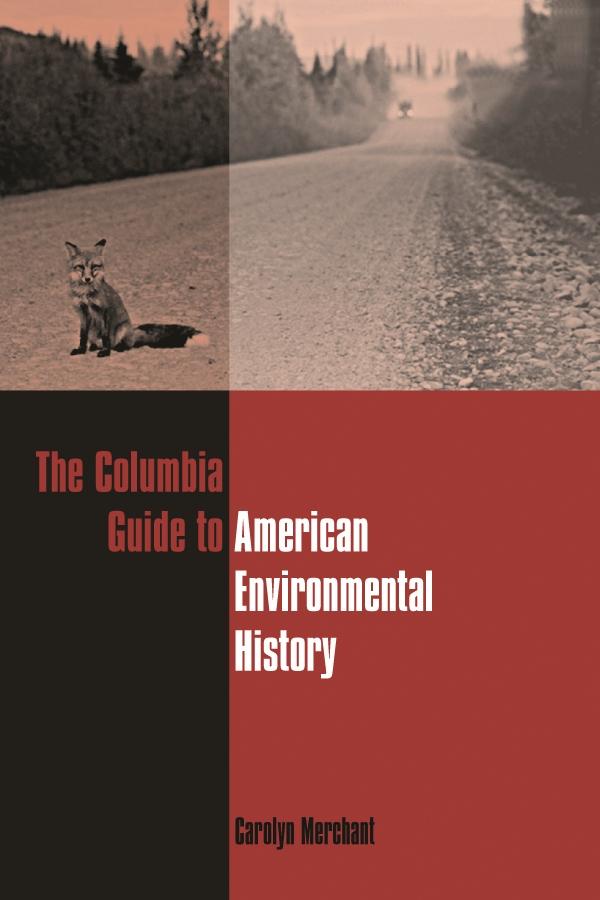
How and why have Americans living at particular times and places used and transformed their environment? How have political systems dealt with conflicts over resources and conservation? This is the only major reference work to explore all the major themes and debates of the burgeoning field of environmental history. Humanity´s relationship with the natural world is one of the oldest and newest topics in human history. The issue emerged as a distinct field of scholarship in the early 1970s and has been growing steadily ever since. The discipline´s territory and sources are rich and varied and include climactic and geological data, court records, archaeological digs, and the writings of naturalists, as well as federal and state economic and resource development and conservation policy. Environmental historians investigate how and why natural and human-created surroundings affect a society´s development. Merchant provides a context-setting overview of American environmental history from the beginning of the millennium; an encyclopedia of important concepts, people, agencies, and laws; a chronology of major events; and an extensive bibliography including films, videos, CD-Roms, and websites. This concise "first stop" reference for students and general readers contains an accessible overview of environmental history; a mini-encyclopedia of ideas, people, legislation, and agencies; a chronology of events and their significance; and a bibliography of books, magazines, and journals as well as films, videos, CD-ROMs, and online resources. In addition to providing a wealth of factual information, The Columbia Guide to American Environmental History explores contentious issues in this much-debated field, from the idea of wilderness to global warming.
How and why have Americans living at particular times and places used and transformed their environment? How have political systems dealt with conflicts over resources and conservation? This is the only major reference work to explore all the major themes and debates in the burgeoning field of environmental history. Humanity's relationship with the natural world is one of the oldest and newest topics in human history. The issue emerged as a distinct field of scholarship in the early 1970s and has been growing steadily ever since. The discipline's territory and sources are rich and varied and include climatic and geological data, court records, archaeological digs, and the writings of naturalists, as well as federal and state economic and resource development and conservation policy. Environmental historians investigate how and why natural and human-created surroundings affect a society's development. Merchant provides a context-setting overview of American environmental history from the precolonial land-use practice of Native Americans and concluding with twenty-first concerns over global warming. The book also includes a glossary of important concepts, people, agencies, and legislation; a chronology of major events; and an extensive bibliography including films, videos, CD-ROMs, and websites.
This concise reference for students and general readers contains an accessible overview of American environmental history; a mini-encyclopedia of ideas, people, legislation, and agencies; a chronology of events and their significance; and a bibliography of books, magazines, and journals as well as films, videos, CD-ROMs, and online resources.
In addition to providing a wealth of factual information, The Columbia Guide to American Environmental History explores contentious issues in this much-debated field, from the idea of wilderness to global warming.
Before Memmo my notes were scattered across PDFs. Now a workspace pulls everything into one place — I see exactly what's still left to study.
Memmo's summaries are gold before exams. I don't have to re-read 800 pages two weeks before — just the important parts.
The AI chat has saved me the night before an exam more than once. I just keep asking until I get it — no waiting on a study group to reply.
The quizzes hit exactly what I need to know. Memmo tracks what I get stuck on — so I only practice what's worth it.
Flashcards with spaced repetition are magic. Memmo knows when I'm about to forget something and brings it back.
The AI podcasts are my favorite. I listen on my way to school and get a recap without sitting at a computer.

Handbok i kvalitativa metoder
281 kr

Hållbar utveckling: en introduktion för ingenjörer och andra problemlösare
334 kr

Brymans Samhällsvetenskapliga metoder
390 kr

Projektledning
491 kr

Den orättvisa hälsan: om socioekonomiska skillnader i hälsa och livslängd
326 kr

Vetenskapsteori för nybörjare
196 kr

Organizational Leadership
429 kr

På väg mot läraryrket
172 kr

Det sociala livet i skolan: Socialpsykologiska perspektiv
253 kr

Betygsättningens didaktik
151 kr

Personality
402 kr

Studying Leadership
404 kr

Managing Innovation
477 kr

Introduktion till samhällsvetenskaplig metod
347 kr

The Psychology of Sex and Gender
698 kr

Evidens och kunskap för socialt arbete
207 kr

Introduction to Leadership
605 kr