
Before Memmo my notes were scattered across PDFs. Now a workspace pulls everything into one place — I see exactly what's still left to study.
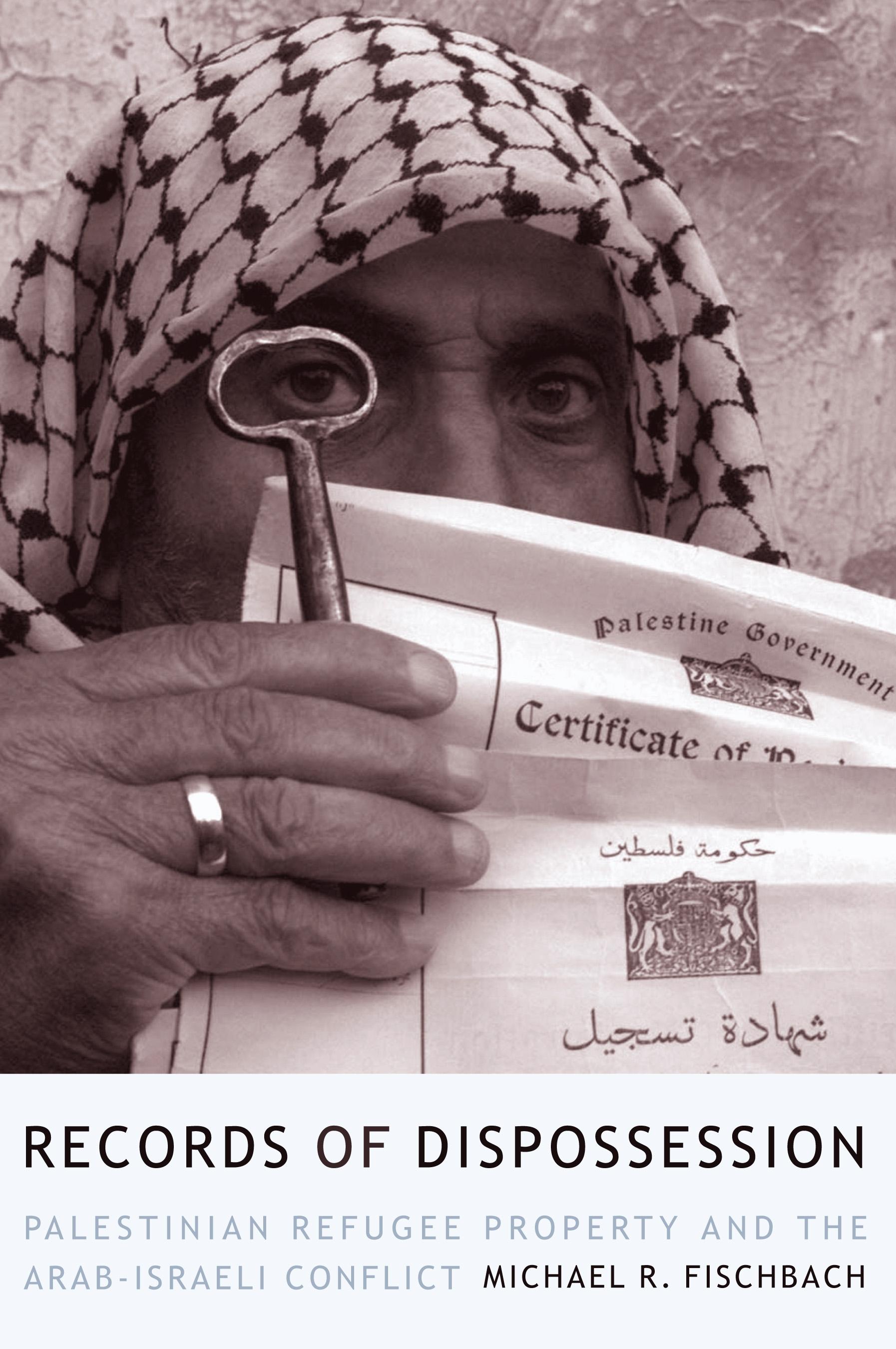
No issue in the Arab-Israeli conflict has proven more intractable than the status of the Palestinian refugees. This work focuses on the controversial question of the property left behind by the refugees during the first Arab-Israeli war in 1948. Beyond discussing the extent of the refugees'losses and detailing the methods by which Israel expropriated this property, the book also notes the ways that the property question has affected, and in turn been affected by, the wider Arab-Israeli conflict over the decades. It shows how the property question influenced Arab-Israeli diplomacy and discusses the implications of the fact that the question remains unresolved despite numerous diplomatic efforts.
From late 1947 through 1948, more than 726,000 Palestinians—over half the entire population—were uprooted from their homes and villages. Though some middle class refugees were able to flee with liquid capital, the majority were small-scale farmers whose worldly fortunes were the land, livestock, and crops they left behind. This book tells for the first time the full story of how much property changed hands, what it was worth, and how it was used by the fledgling state of Israel. It then traces the subsequent decades of diplomatic activity on the issue and publishes previously secret UN estimates of the scope and value of the refugee property. Michael Fischbach offers a detailed study of Israeli counterclaims for Jewish property lost in the Arab world, diplomatic schemes for resolving the conflict, secret compensation efforts, and the renewed diplomatic efforts on behalf of property claims since the onset of Arab-Israeli peace talks.
Based largely on archival records, including those of the United Nations Conciliation Commission of Palestine, never before available to the public and kept under lock and key in the UN archives, Records of Dispossession is the first detailed historical examination of the Palestinian refugee property question.
Before Memmo my notes were scattered across PDFs. Now a workspace pulls everything into one place — I see exactly what's still left to study.
Memmo's summaries are gold before exams. I don't have to re-read 800 pages two weeks before — just the important parts.
The AI chat has saved me the night before an exam more than once. I just keep asking until I get it — no waiting on a study group to reply.
The quizzes hit exactly what I need to know. Memmo tracks what I get stuck on — so I only practice what's worth it.
Flashcards with spaced repetition are magic. Memmo knows when I'm about to forget something and brings it back.
The AI podcasts are my favorite. I listen on my way to school and get a recap without sitting at a computer.

Handbok i kvalitativa metoder
281 kr

Hållbar utveckling: en introduktion för ingenjörer och andra problemlösare
334 kr

Brymans Samhällsvetenskapliga metoder
390 kr

Projektledning
491 kr

Den orättvisa hälsan: om socioekonomiska skillnader i hälsa och livslängd
326 kr

Organizational Leadership
429 kr

Vetenskapsteori för nybörjare
196 kr

På väg mot läraryrket
172 kr

Det sociala livet i skolan: Socialpsykologiska perspektiv
253 kr

Betygsättningens didaktik
151 kr

Personality
402 kr

Studying Leadership
404 kr

Managing Innovation
477 kr

Introduktion till samhällsvetenskaplig metod
347 kr

The Psychology of Sex and Gender
698 kr

Evidens och kunskap för socialt arbete
207 kr

Introduction to Leadership
605 kr