
Before Memmo my notes were scattered across PDFs. Now a workspace pulls everything into one place — I see exactly what's still left to study.
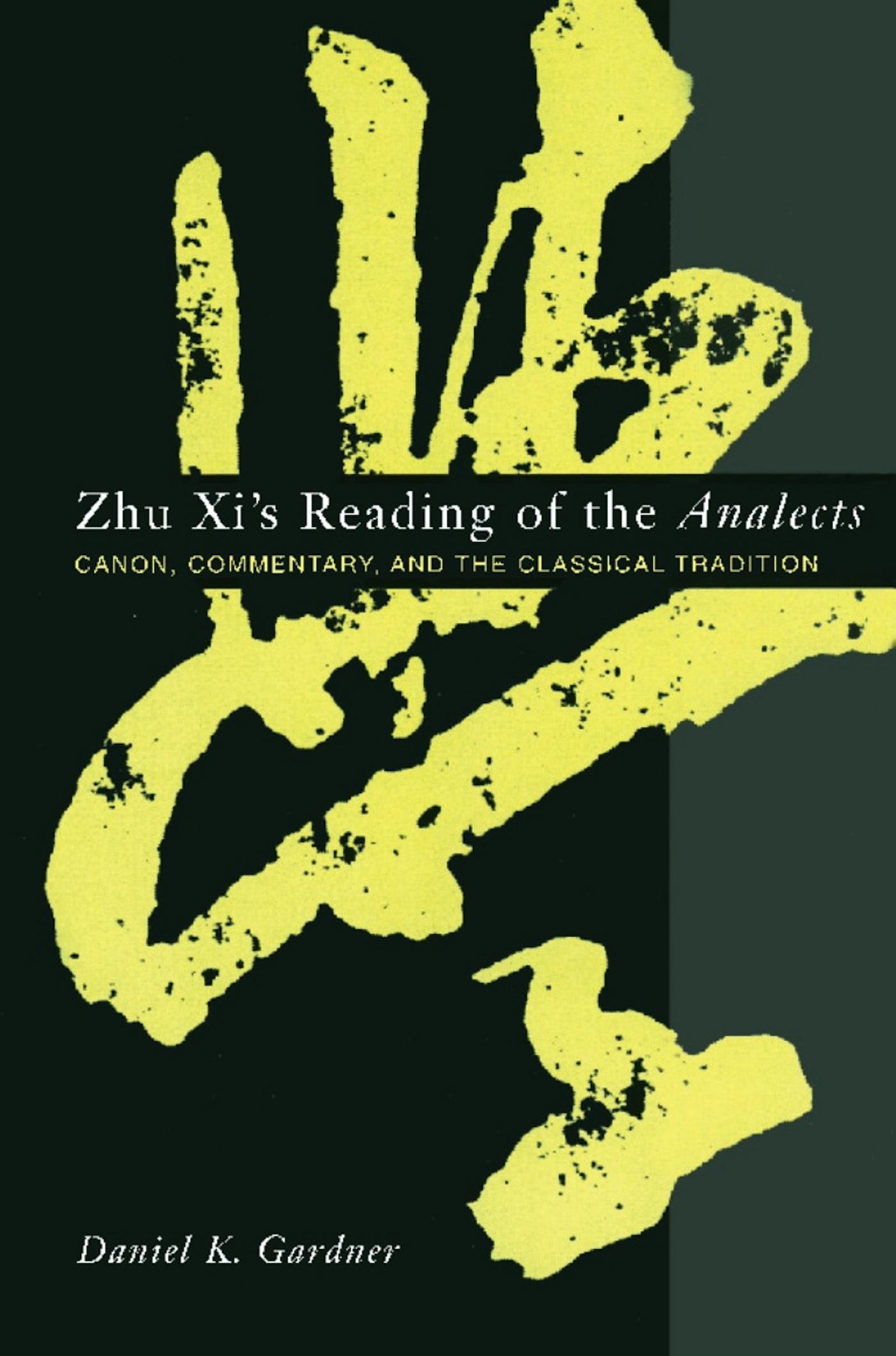
The Analects is a compendium of the sayings of Confucius (551–479 b.c.e.), transcribed and passed down by his disciples. How it came to be transformed by Zhu Xi (1130–1200) into one of the most philosophically significant texts in the Confucian tradition is the subject of this book.
Scholarly attention in China had long been devoted to the Analects. By the time of Zhu Xi, a rich history of commentary had grown up around it. But Zhu, claiming that the Analects was one of the authoritative texts in the canon and should be read before all others, gave it a still more privileged status in the tradition. He spent decades preparing an extended interlinear commentary on it. Sustained by a newer, more elaborate language of metaphysics, Zhu's commentary on the Analects marked a significant shift in the philosophical orientation of Confucianism—a shift that redefined the Confucian tradition for the next eight centuries, not only in China, but in Japan and Korea well.
Gardner's translations and analysis of Zhu Xi's commentary on the Analects show one of China's great thinkers in an interesting and complex act of philosophical negotiation. Through an interlinear, line-by-line "dialogue" with Confucius, Zhu effected a reconciliation of the teachings of the Master, commentary by later exegetes, and contemporary philosophical concerns of Song-dynasty scholars. By comparing Zhu's reading of the Analects with the earlier standard reading by He Yan (190–249), Gardner illuminates what is dramatically new in Zhu Xi's interpretation of the Analects.
A pioneering study of Zhu Xi's reading of the Analects, this book demonstrates how commentary is both informed by a text and informs future readings, and highlights the importance of interlinear commentary as a genre in Chinese philosophy.
Before Memmo my notes were scattered across PDFs. Now a workspace pulls everything into one place — I see exactly what's still left to study.
Memmo's summaries are gold before exams. I don't have to re-read 800 pages two weeks before — just the important parts.
The AI chat has saved me the night before an exam more than once. I just keep asking until I get it — no waiting on a study group to reply.
The quizzes hit exactly what I need to know. Memmo tracks what I get stuck on — so I only practice what's worth it.
Flashcards with spaced repetition are magic. Memmo knows when I'm about to forget something and brings it back.
The AI podcasts are my favorite. I listen on my way to school and get a recap without sitting at a computer.

Handbok i kvalitativa metoder
281 kr

Hållbar utveckling: en introduktion för ingenjörer och andra problemlösare
334 kr

Brymans Samhällsvetenskapliga metoder
390 kr

Projektledning
491 kr

Den orättvisa hälsan: om socioekonomiska skillnader i hälsa och livslängd
326 kr

Vetenskapsteori för nybörjare
196 kr

Organizational Leadership
429 kr

På väg mot läraryrket
172 kr

Det sociala livet i skolan: Socialpsykologiska perspektiv
253 kr

Betygsättningens didaktik
151 kr

Personality
402 kr

Studying Leadership
404 kr

Managing Innovation
477 kr

Introduktion till samhällsvetenskaplig metod
347 kr

The Psychology of Sex and Gender
698 kr

Evidens och kunskap för socialt arbete
207 kr

Introduction to Leadership
605 kr