
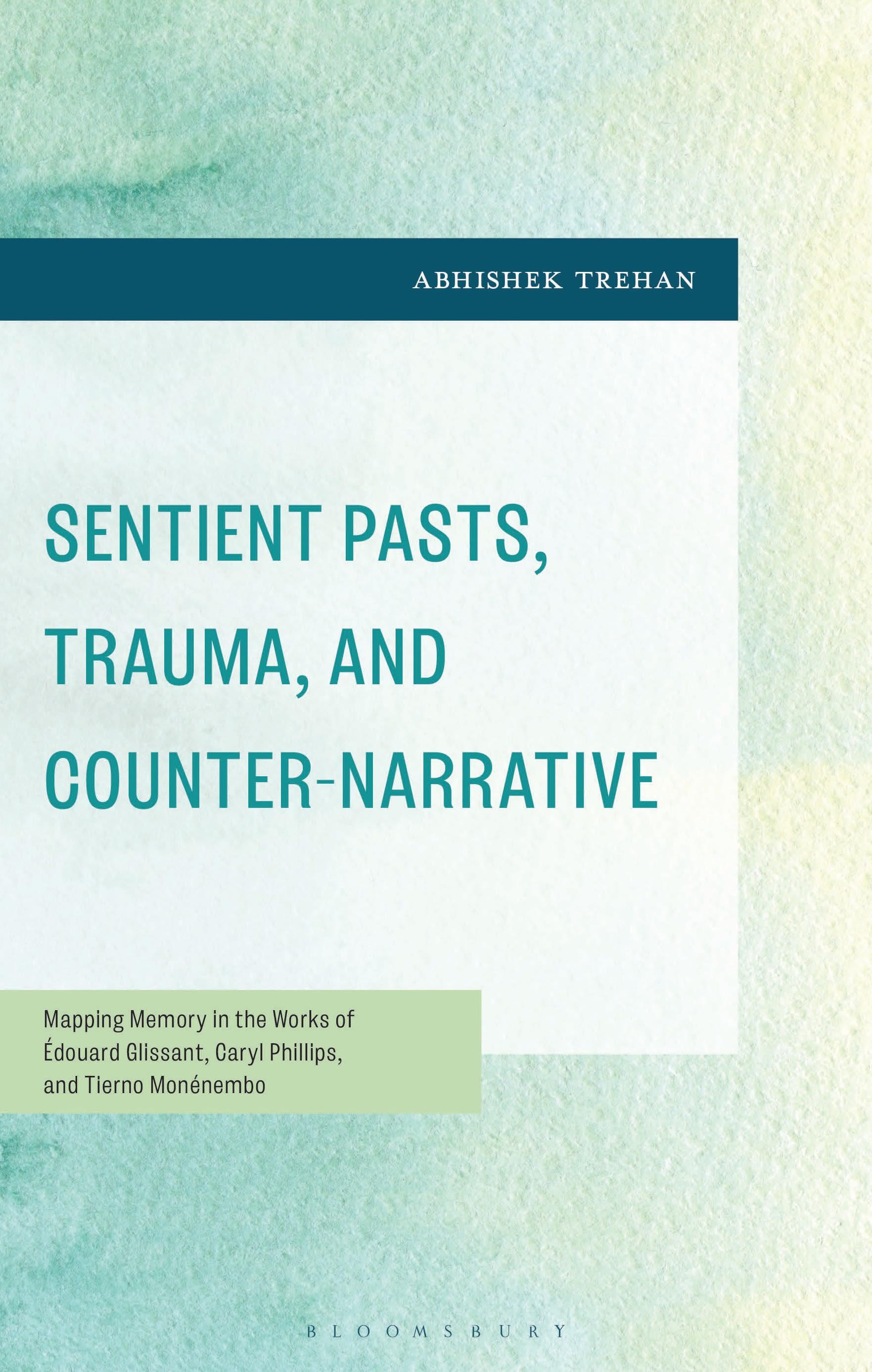
Drawing upon the theories of memory studies, this book challenges the historical authenticity of colonialism in the works of Édouard Glissant, Caryl Phillips, and Tierno Monénembo as they seek to place their fiction in the aftermath of reparative histories.
Trehan examines not only the histories of displacement, diasporic traditions, genocidal trauma or continuation of colonialist affiliations in postcolonial societies, but the creative resistance to hegemony. Focusing on the embedded historical memory, the author examines the implications of remembrance (including selective remembering and forgetting) in the process of decolonization-bringing forth the struggle of representation and recognition. This book probes the transmission of traumatic memory across generations by amplifying the nexus between history and memory, reading beyond nation-based interpretations. By comparing the continuity of colonial legacy in the works of Glissant, Phillips, and Monénembo, Trehan examines a model of postcolonial inheritance to understand how ordinary people relate to the question of political expression by focusing on the colonial history, memory, and trauma.
Trehan examines not only the histories of displacement, diasporic traditions, genocidal trauma or continuation of colonialist affiliations in postcolonial societies, but the creative resistance to hegemony. Focusing on the embedded historical memory, the author examines the implications of remembrance (including selective remembering and forgetting) in the process of decolonization-bringing forth the struggle of representation and recognition. This book probes the transmission of traumatic memory across generations by amplifying the nexus between history and memory, reading beyond nation-based interpretations. By comparing the continuity of colonial legacy in the works of Glissant, Phillips, and Monénembo, Trehan examines a model of postcolonial inheritance to understand how ordinary people relate to the question of political expression by focusing on the colonial history, memory, and trauma.
Zahle einfach mit Karte, Klarna, Apple Pay oder Google Pay. Nicht zufrieden? Du hast immer ein 14-tägiges Widerrufsrecht. Lies mehr in unseren AGB. Hast du Fragen, schreib uns eine E-Mail an hello@memmo.org.
Memmo macht das Lernen einfacher – wo auch immer du bist. Bei uns findest du deine Kursbücher und smarte Lerntools an einem Ort: Zusammenfassungen, Quizzes, Podcasts und Lernkarten. Und Ted, dein Lernbuddy, beantwortet alles, was du wissen möchtest. Über 50.000 Studierende lernen bereits hier – gemacht, damit du schneller lernst und weniger Stress hast.