
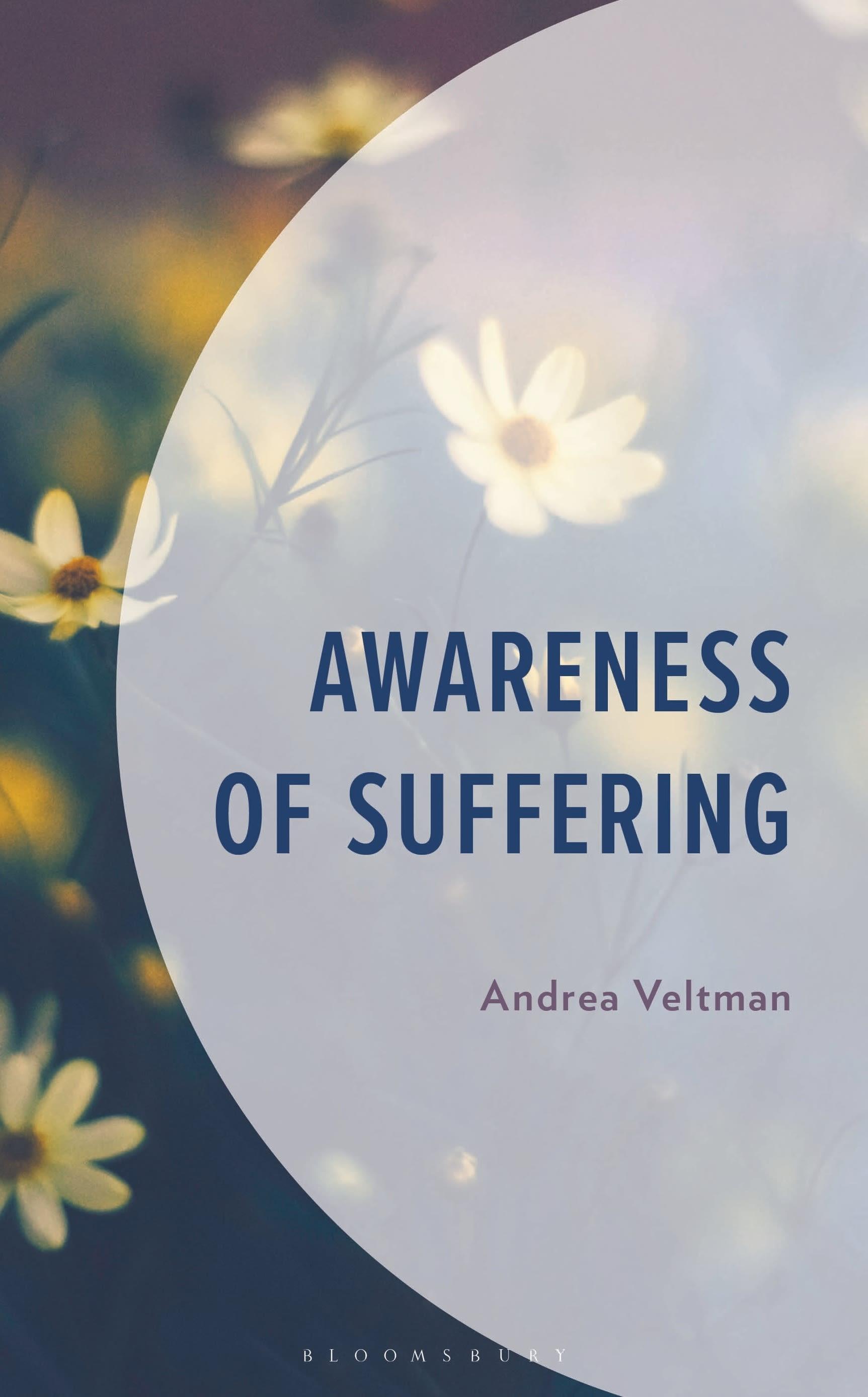
Do we have responsibilities to inform ourselves of suffering and injustice? If so, what kinds of suffering and injustice are we responsible for perceiving? What are the foundations of these responsibilities, and what does it mean to fulfill them?
This book examines these questions and argues that awareness of suffering is an essential but indeterminate moral responsibility of the mind. It is not merely an epistemic excellence or a professional activity to be left to experts, academics, journalists, or activists working to address systemic suffering; it is a moral, civic and epistemic responsibility of all people with mature, functioning minds. Cultivating awareness of suffering means exposing ourselves to a range of documentaries, news programs, narratives, and photography that bring suffering into public view. This practice of gaining awareness is foundational in a caring ethical life and in movements for social justice. It is a catalyst for moral progress, a part of responsible citizenship, and a source of knowledge that is valuable in itself. Yet awareness of suffering can be difficult, uncomfortable, saddening, and perplexing, and this book wrestles with difficulties.
It also engages with the politics of sight in arguing for a social transformation in moral perception of human and animal suffering. Awareness of suffering represents an act of epistemic resistance and a rejection of widespread willful ignorance of systemic suffering. Awareness of suffering in systems of production and consumption also encourages virtues associated with ethical consumerism, such as frugality, simplicity, and conscientiousness in consumption. It offers original comparisons between responsibilities of awareness and other moral and epistemic responsibilities, and it advances our thinking about what we owe others by highlighting how moral and civic responsibilities pertain not only to our actions but also to our own minds.
This book examines these questions and argues that awareness of suffering is an essential but indeterminate moral responsibility of the mind. It is not merely an epistemic excellence or a professional activity to be left to experts, academics, journalists, or activists working to address systemic suffering; it is a moral, civic and epistemic responsibility of all people with mature, functioning minds. Cultivating awareness of suffering means exposing ourselves to a range of documentaries, news programs, narratives, and photography that bring suffering into public view. This practice of gaining awareness is foundational in a caring ethical life and in movements for social justice. It is a catalyst for moral progress, a part of responsible citizenship, and a source of knowledge that is valuable in itself. Yet awareness of suffering can be difficult, uncomfortable, saddening, and perplexing, and this book wrestles with difficulties.
It also engages with the politics of sight in arguing for a social transformation in moral perception of human and animal suffering. Awareness of suffering represents an act of epistemic resistance and a rejection of widespread willful ignorance of systemic suffering. Awareness of suffering in systems of production and consumption also encourages virtues associated with ethical consumerism, such as frugality, simplicity, and conscientiousness in consumption. It offers original comparisons between responsibilities of awareness and other moral and epistemic responsibilities, and it advances our thinking about what we owe others by highlighting how moral and civic responsibilities pertain not only to our actions but also to our own minds.
Zahle einfach mit Karte, Klarna, Apple Pay oder Google Pay. Nicht zufrieden? Du hast immer ein 14-tägiges Widerrufsrecht. Lies mehr in unseren AGB. Hast du Fragen, schreib uns eine E-Mail an hello@memmo.org.
Memmo macht das Lernen einfacher – wo auch immer du bist. Bei uns findest du deine Kursbücher und smarte Lerntools an einem Ort: Zusammenfassungen, Quizzes, Podcasts und Lernkarten. Und Ted, dein Lernbuddy, beantwortet alles, was du wissen möchtest. Über 50.000 Studierende lernen bereits hier – gemacht, damit du schneller lernst und weniger Stress hast.