
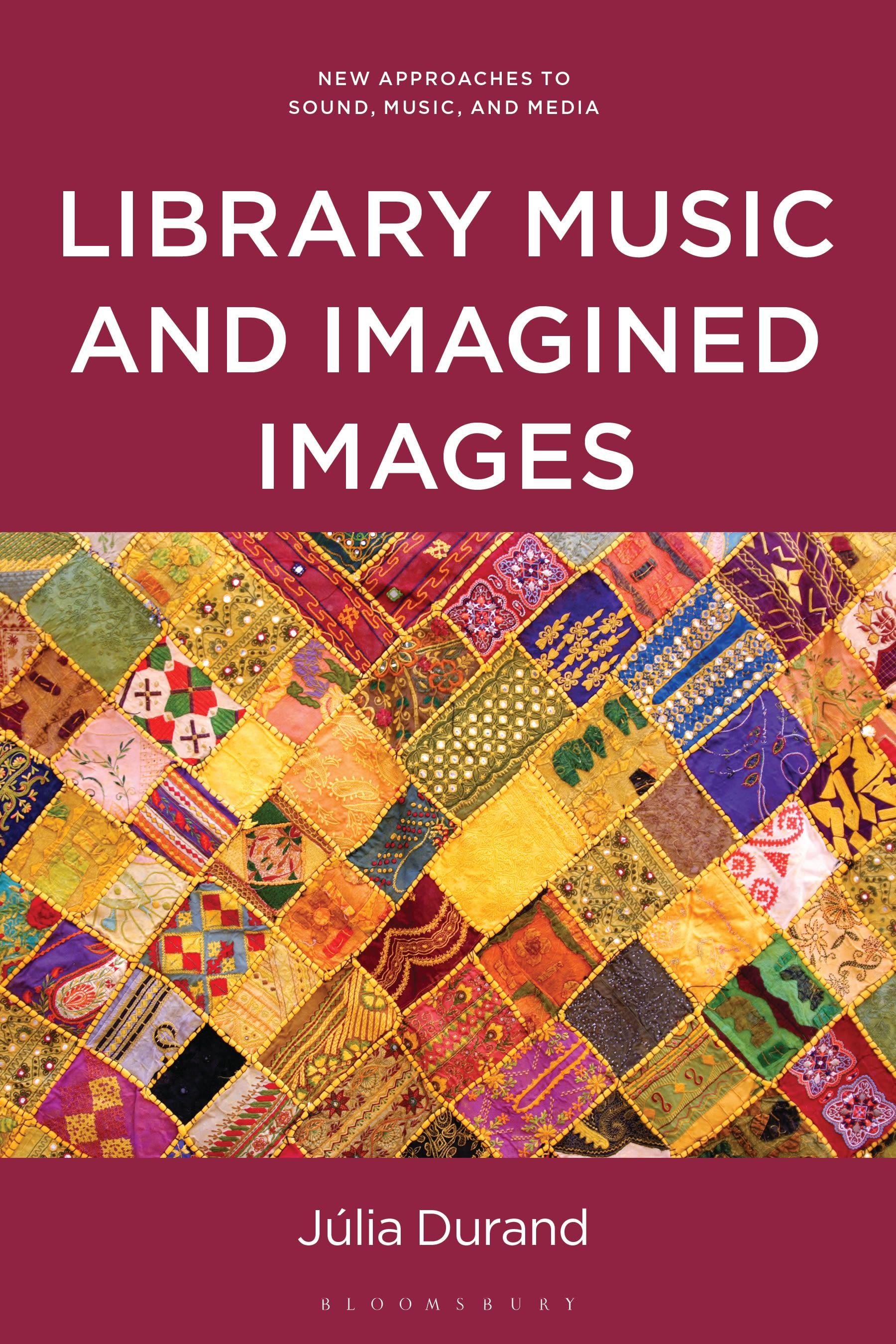
This book takes a musicological and sociological lens to the workings of this little-noticed sonic presence that shapes the media of our everyday lives, exploring how library music is created, received and used in online media, and what sets it apart from other musical practices.
Library music is an ubiquitous yet often unquestioned presence in contemporary media. This pre-existing music is used in a wide variety of contexts, from television and film trailers to YouTube videos. Although library music was first targeted at professional audiovisual producers, the spread of digital technologies has widened this music industry's client-base to include amateur videographers and online content makers.
Drawing from qualitative interviews with composers and media producers, these actors' perspectives are woven together in order to reach an in-depth insight into library music's creation and synchronization with pictures. The book teases out the patterns and peculiarities of library music that distinguish it from other musical practices: it is cast here as usable music made for imagined images, and as a repository of shared musical imaginaries.
By exploring how library music is continuously transformed in multiple and unpredictable moments of meaning-making, we also unveil its specificity not as a finished musical work, but rather as a raw material meant to be repurposed and reshaped beyond composers' hands. Ultimately, the book reframes library music as an object worthy of attention – one that can reveal much about music for media today.
Library music is an ubiquitous yet often unquestioned presence in contemporary media. This pre-existing music is used in a wide variety of contexts, from television and film trailers to YouTube videos. Although library music was first targeted at professional audiovisual producers, the spread of digital technologies has widened this music industry's client-base to include amateur videographers and online content makers.
Drawing from qualitative interviews with composers and media producers, these actors' perspectives are woven together in order to reach an in-depth insight into library music's creation and synchronization with pictures. The book teases out the patterns and peculiarities of library music that distinguish it from other musical practices: it is cast here as usable music made for imagined images, and as a repository of shared musical imaginaries.
By exploring how library music is continuously transformed in multiple and unpredictable moments of meaning-making, we also unveil its specificity not as a finished musical work, but rather as a raw material meant to be repurposed and reshaped beyond composers' hands. Ultimately, the book reframes library music as an object worthy of attention – one that can reveal much about music for media today.
Zahle einfach mit Karte, Klarna, Apple Pay oder Google Pay. Nicht zufrieden? Du hast immer ein 14-tägiges Widerrufsrecht. Lies mehr in unseren AGB. Hast du Fragen, schreib uns eine E-Mail an hello@memmo.org.
Memmo macht das Lernen einfacher – wo auch immer du bist. Bei uns findest du deine Kursbücher und smarte Lerntools an einem Ort: Zusammenfassungen, Quizzes, Podcasts und Lernkarten. Und Ted, dein Lernbuddy, beantwortet alles, was du wissen möchtest. Über 50.000 Studierende lernen bereits hier – gemacht, damit du schneller lernst und weniger Stress hast.