
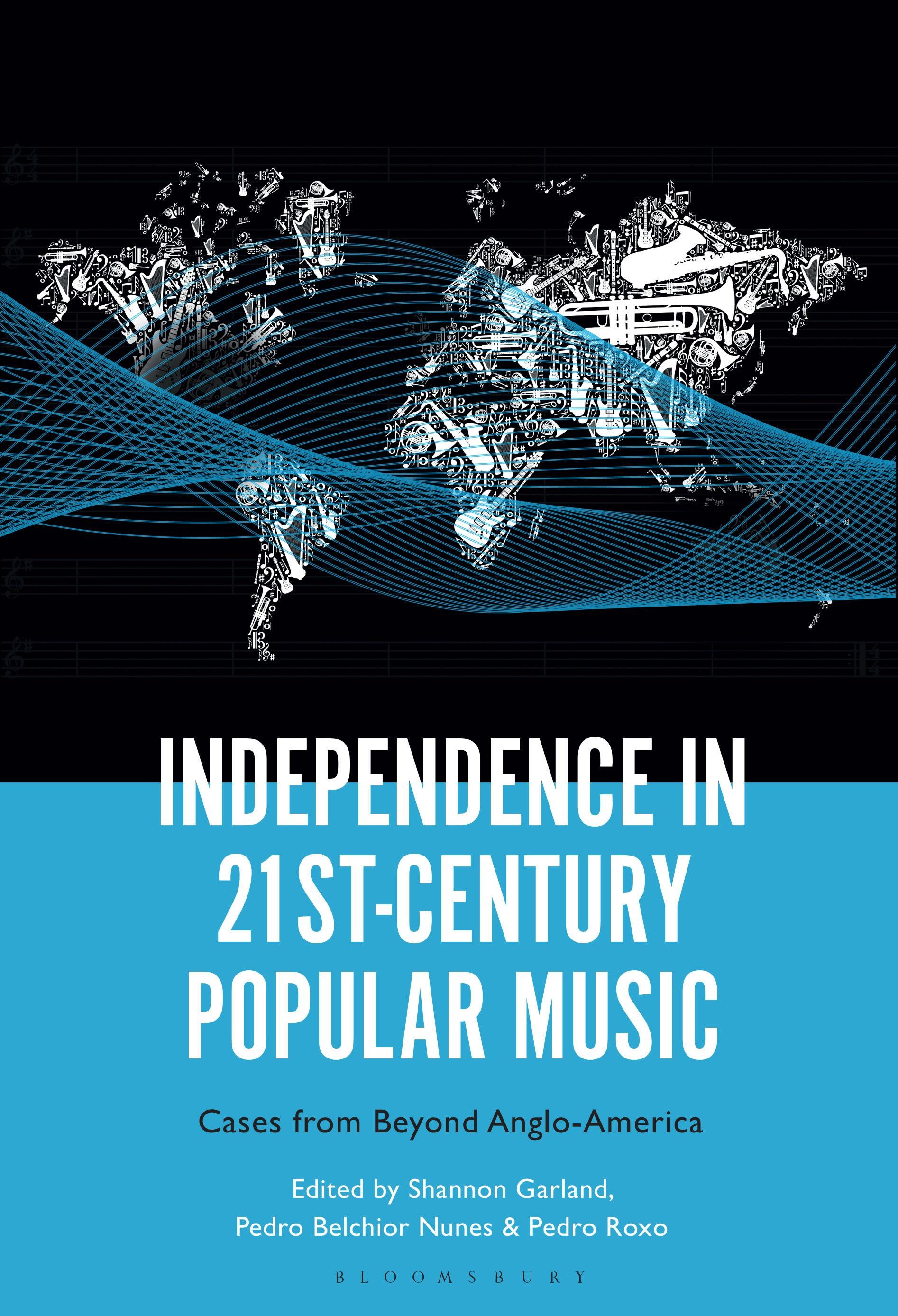
Can music be made “independently” in the 21st century?
More than a generation of musicians, music workers, and music companies have now been operating in the context of the profound shifts in music production and dissemination in the “digital era.” Scholarly focus on musical independence has often been centered on genres, like punk and indie, rooted in the US and UK. This volume, focused outside the Euro-American context, shows the variety of ways musicians, music workers and businesses manage the economic, media and cultural shifts propelled by digitalization, asking what it means now to say one is “independent.” It brings together scholars from around the globe who are researching forms of music production, circulation, consumption and finance that blur the boundaries between the dominant corporate players and “independent” cultural production. With chapters detailing popular music in Argentina, Brazil, Chile, Cuba, Indonesia, Portugal, Spain and Taiwan, independence is shown to be a concept and practice simultaneously nebulous, contradictory, and practical.
More than a generation of musicians, music workers, and music companies have now been operating in the context of the profound shifts in music production and dissemination in the “digital era.” Scholarly focus on musical independence has often been centered on genres, like punk and indie, rooted in the US and UK. This volume, focused outside the Euro-American context, shows the variety of ways musicians, music workers and businesses manage the economic, media and cultural shifts propelled by digitalization, asking what it means now to say one is “independent.” It brings together scholars from around the globe who are researching forms of music production, circulation, consumption and finance that blur the boundaries between the dominant corporate players and “independent” cultural production. With chapters detailing popular music in Argentina, Brazil, Chile, Cuba, Indonesia, Portugal, Spain and Taiwan, independence is shown to be a concept and practice simultaneously nebulous, contradictory, and practical.
Zahle einfach mit Karte, Klarna, Apple Pay oder Google Pay. Nicht zufrieden? Du hast immer ein 14-tägiges Widerrufsrecht. Lies mehr in unseren AGB. Hast du Fragen, schreib uns eine E-Mail an hello@memmo.org.
Memmo macht das Lernen einfacher – wo auch immer du bist. Bei uns findest du deine Kursbücher und smarte Lerntools an einem Ort: Zusammenfassungen, Quizzes, Podcasts und Lernkarten. Und Ted, dein Lernbuddy, beantwortet alles, was du wissen möchtest. Über 50.000 Studierende lernen bereits hier – gemacht, damit du schneller lernst und weniger Stress hast.