
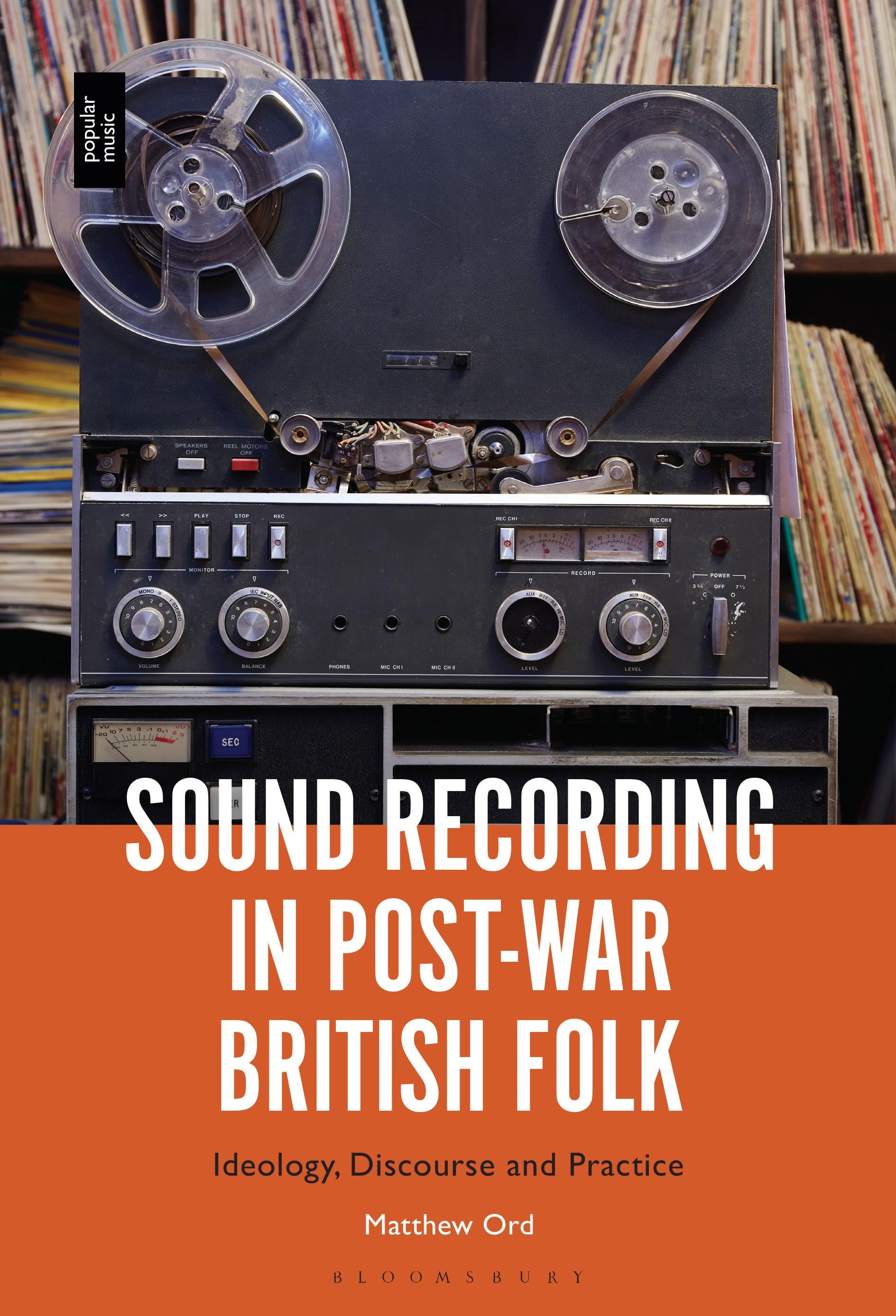
Recording technologies shaped the sound and meaning of 20th-century folk music in Britain, constructing a sonic aesthetics of authenticity in an era of rapid technological and social transformation.
The folk revival that changed the sound of 20th century British popular music was sustained by a varied and innovative recording culture. For many listeners, the sound of folk on record presented a 'real' sound in an age of studio artifice, asserting the value of face-to-face performance over technologically mediated consumption. At the same time, the folk movement benefitted from rapid advances in recording and media technology, encompassing a range of sonic practices including radio documentary, commercial studio production and field recording. Within the revival as a cultural movement, recordings and the act of recording itself reflected and shaped the meaning of the music for musicians and their audiences as they developed new aesthetic practices and explored the expressive potential of recorded sound.
Sound Recording in Post-War British Folk traces how folk's recording culture was shaped by beliefs about music, technology and society, becoming a key site for the articulation of aesthetic, cultural and political values. Ord brings together theoretical approaches from musicology, social semiotics and science and technology studies and draws upon interviews with musicians and producers to explore the place of recording in 20th-century folk and popular music and raise larger questions about the relationship between music, recording technologies and cultural-political movements.
The folk revival that changed the sound of 20th century British popular music was sustained by a varied and innovative recording culture. For many listeners, the sound of folk on record presented a 'real' sound in an age of studio artifice, asserting the value of face-to-face performance over technologically mediated consumption. At the same time, the folk movement benefitted from rapid advances in recording and media technology, encompassing a range of sonic practices including radio documentary, commercial studio production and field recording. Within the revival as a cultural movement, recordings and the act of recording itself reflected and shaped the meaning of the music for musicians and their audiences as they developed new aesthetic practices and explored the expressive potential of recorded sound.
Sound Recording in Post-War British Folk traces how folk's recording culture was shaped by beliefs about music, technology and society, becoming a key site for the articulation of aesthetic, cultural and political values. Ord brings together theoretical approaches from musicology, social semiotics and science and technology studies and draws upon interviews with musicians and producers to explore the place of recording in 20th-century folk and popular music and raise larger questions about the relationship between music, recording technologies and cultural-political movements.
Zahle einfach mit Karte, Klarna, Apple Pay oder Google Pay. Nicht zufrieden? Du hast immer ein 14-tägiges Widerrufsrecht. Lies mehr in unseren AGB. Hast du Fragen, schreib uns eine E-Mail an hello@memmo.org.
Memmo macht das Lernen einfacher – wo auch immer du bist. Bei uns findest du deine Kursbücher und smarte Lerntools an einem Ort: Zusammenfassungen, Quizzes, Podcasts und Lernkarten. Und Ted, dein Lernbuddy, beantwortet alles, was du wissen möchtest. Über 50.000 Studierende lernen bereits hier – gemacht, damit du schneller lernst und weniger Stress hast.