
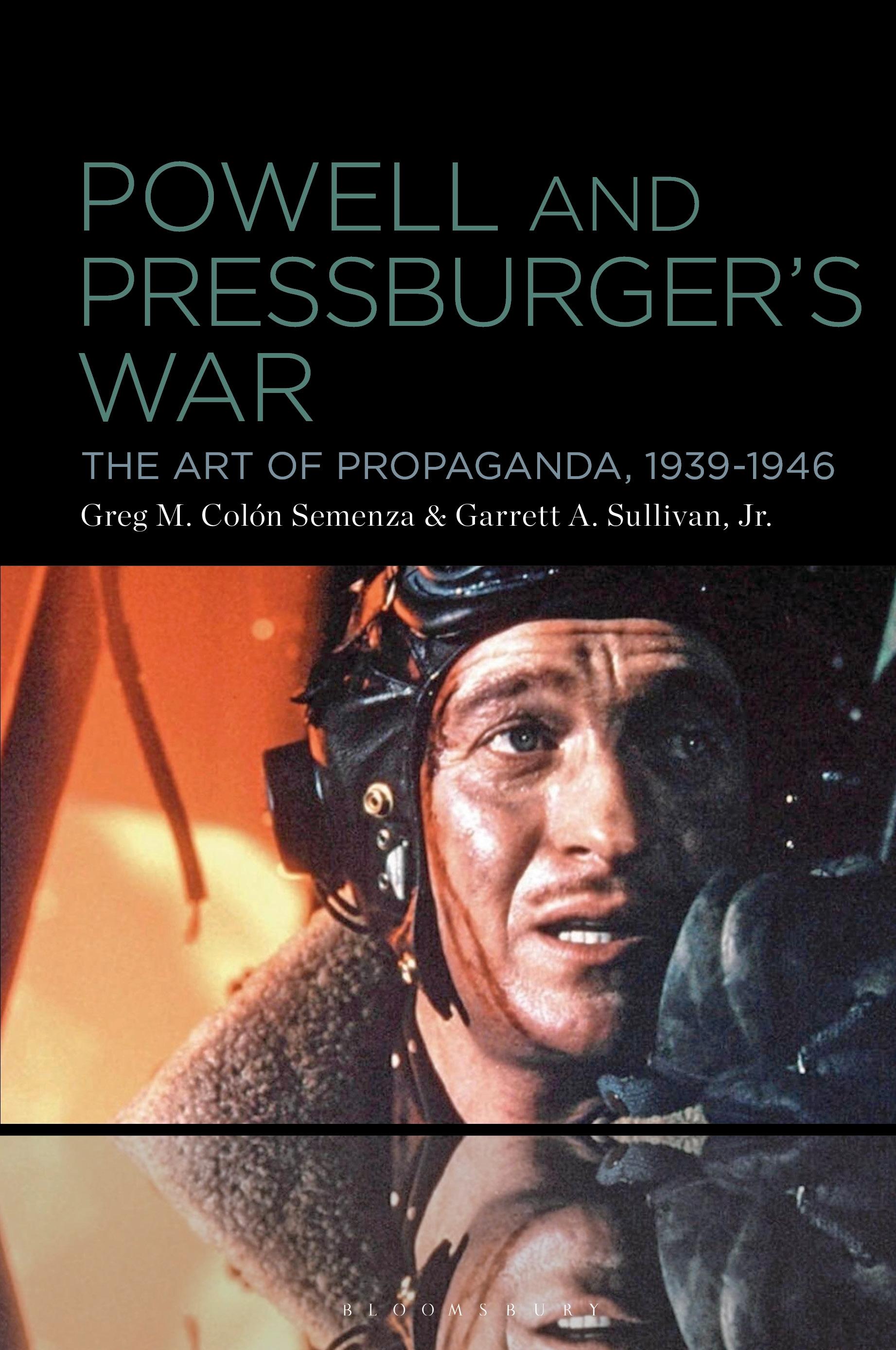
A focused study on Michael Powell and Emeric Pressburger's cinematic contributions to the war effort, arguing for the centrality of propaganda to their work as film artists.
Michael Powell and Emeric Pressburger are widely hailed as two of the greatest filmmakers in British cinema history. The release of their first movie, The Spy in Black, barely preceded the beginning of World War Two, and a number of their early masterworks, including The Life and Death of Colonel Blimp, A Canterbury Tale, and A Matter of Life and Death, were produced in the service of the war effort. Through exploring the relationship between art and propaganda, this book shows that Powell and Pressburger saw no contradiction between their aesthetic ambitions and their cinematic war work: propaganda imperatives were highly conducive to their objectives as both commercial cinema practitioners and artists.
Drawing on production materials from the archives of the British Film Institute, this book charts three phases in Powell and Pressburger's wartime career: from first-time collaborators who strive to reconcile popular cinematic forms with developing notions of what constitutes effective propaganda; to accomplished, and sometimes controversial, propagandists whose movies center upon Britain's relations with its enemies and allies; to filmmakers whose responsiveness to the propaganda requirements of the late war is matched by a focus, shared by the Ministry of Information, on what the post-war future would bring.
Michael Powell and Emeric Pressburger are widely hailed as two of the greatest filmmakers in British cinema history. The release of their first movie, The Spy in Black, barely preceded the beginning of World War Two, and a number of their early masterworks, including The Life and Death of Colonel Blimp, A Canterbury Tale, and A Matter of Life and Death, were produced in the service of the war effort. Through exploring the relationship between art and propaganda, this book shows that Powell and Pressburger saw no contradiction between their aesthetic ambitions and their cinematic war work: propaganda imperatives were highly conducive to their objectives as both commercial cinema practitioners and artists.
Drawing on production materials from the archives of the British Film Institute, this book charts three phases in Powell and Pressburger's wartime career: from first-time collaborators who strive to reconcile popular cinematic forms with developing notions of what constitutes effective propaganda; to accomplished, and sometimes controversial, propagandists whose movies center upon Britain's relations with its enemies and allies; to filmmakers whose responsiveness to the propaganda requirements of the late war is matched by a focus, shared by the Ministry of Information, on what the post-war future would bring.
Seiten: 288
Kategorie: Film- & Medievetenskap
e-ISBN: 9798765105740
Versandgewicht: 1.2 kg
Versand in: 1-2 Tage
Zahle einfach mit Karte, Klarna, Apple Pay oder Google Pay. Nicht zufrieden? Du hast immer ein 14-tägiges Widerrufsrecht. Lies mehr in unseren AGB. Hast du Fragen, schreib uns eine E-Mail an hello@memmo.org.
Memmo macht das Lernen einfacher – wo auch immer du bist. Bei uns findest du deine Kursbücher und smarte Lerntools an einem Ort: Zusammenfassungen, Quizzes, Podcasts und Lernkarten. Und Ted, dein Lernbuddy, beantwortet alles, was du wissen möchtest. Über 50.000 Studierende lernen bereits hier – gemacht, damit du schneller lernst und weniger Stress hast.