
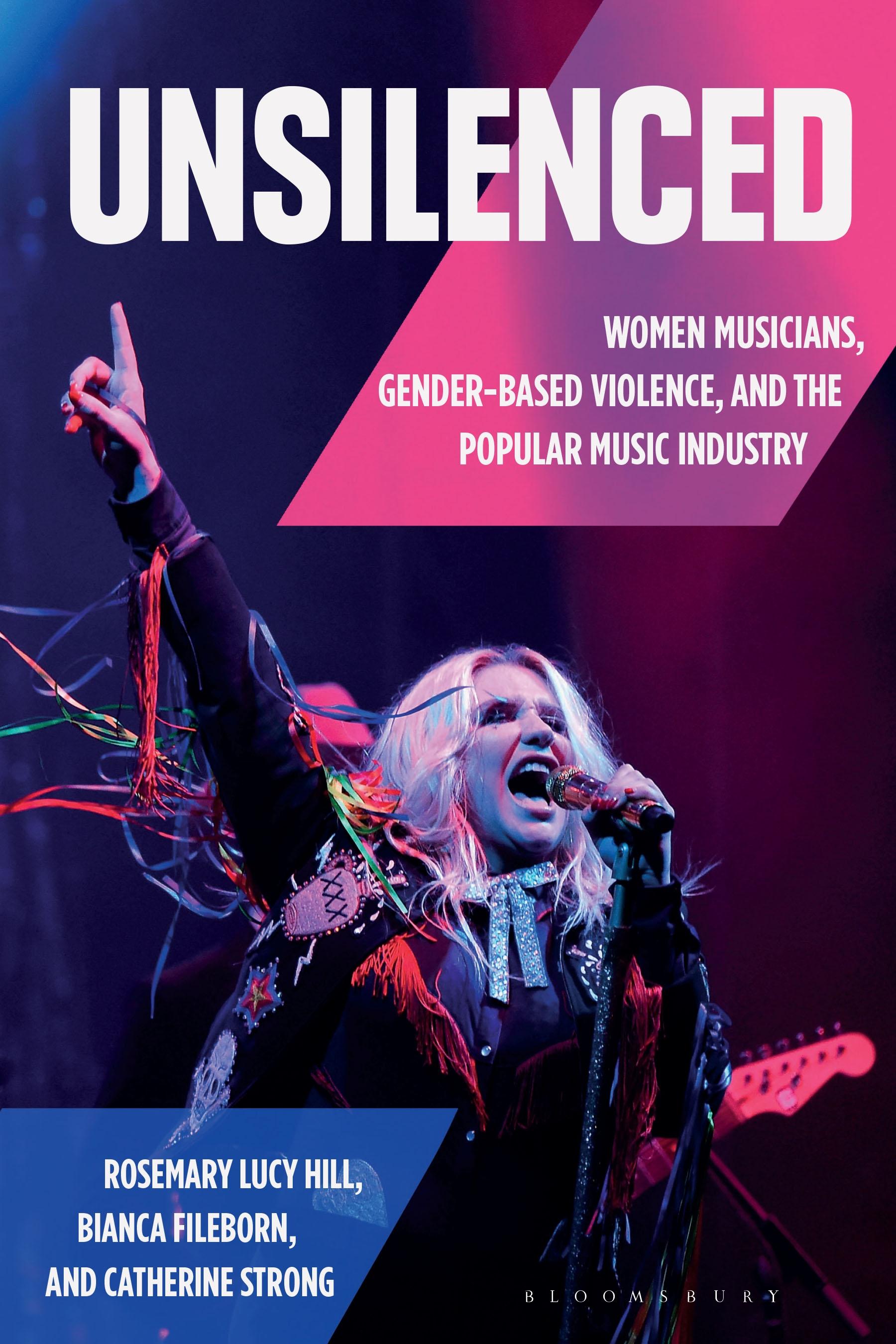
2026 PROSE Award Finalist in Music & The Performing Arts
This book explores gender-based violence within the music industry, and how women who have experienced violence represent it in their music.
Using the key case studies of music by Kesha, Lingua Ignota, and Alice Glass, as well as many other examples from across the musical landscape, the book examines how the artists represent their experiences of gender-based violence in their music, lyrics, and music videos; how they narrate and describe their experiences; how they incorporate these experiences into their public personas; and how the music industry itself might be facilitating or perpetuating the violence.
The analysis sheds light on how survivors construct their experiences, and how the songs and videos inscribe new understandings of gender-based violence. The book argues that men's control of women's creativity can be considered a form of musical abuse, and that through its structures and systems the music industry itself can be classed as inherently abusive. And yet, women musicians can sing back to the violence they've experienced and create powerful new representations that have the potential to change the way we listen to music, if we are prepared to develop our feminist ears.
This book explores gender-based violence within the music industry, and how women who have experienced violence represent it in their music.
Using the key case studies of music by Kesha, Lingua Ignota, and Alice Glass, as well as many other examples from across the musical landscape, the book examines how the artists represent their experiences of gender-based violence in their music, lyrics, and music videos; how they narrate and describe their experiences; how they incorporate these experiences into their public personas; and how the music industry itself might be facilitating or perpetuating the violence.
The analysis sheds light on how survivors construct their experiences, and how the songs and videos inscribe new understandings of gender-based violence. The book argues that men's control of women's creativity can be considered a form of musical abuse, and that through its structures and systems the music industry itself can be classed as inherently abusive. And yet, women musicians can sing back to the violence they've experienced and create powerful new representations that have the potential to change the way we listen to music, if we are prepared to develop our feminist ears.
Seiten: 160
Kategorie: Kultur-, Genus- & Postkoloniala studier
e-ISBN: 9798765101711
Versandgewicht: 1.2 kg
Versand in: 1-2 Tage
Zahle einfach mit Karte, Klarna, Apple Pay oder Google Pay. Nicht zufrieden? Du hast immer ein 14-tägiges Widerrufsrecht. Lies mehr in unseren AGB. Hast du Fragen, schreib uns eine E-Mail an hello@memmo.org.
Memmo macht das Lernen einfacher – wo auch immer du bist. Bei uns findest du deine Kursbücher und smarte Lerntools an einem Ort: Zusammenfassungen, Quizzes, Podcasts und Lernkarten. Und Ted, dein Lernbuddy, beantwortet alles, was du wissen möchtest. Über 50.000 Studierende lernen bereits hier – gemacht, damit du schneller lernst und weniger Stress hast.