
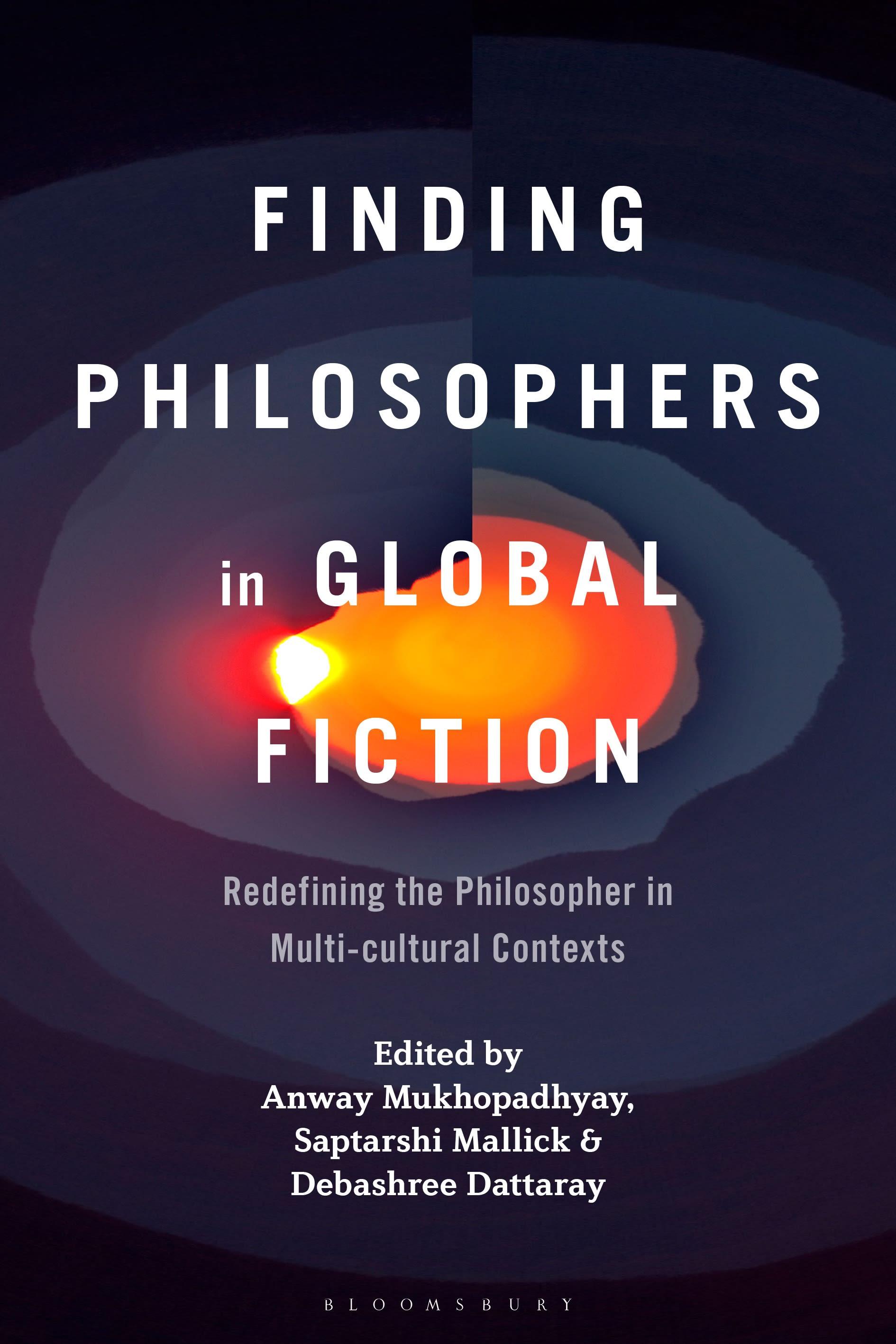
A cross-cultural study that explores and redefines what philosophy, philosophizing, and philosophers are through the lens of literature.
The academic discipline of philosophy may tell us, too rigidly, what a philosopher is or should be; but fictional narration often upholds the core conundrums of humankind in which philosophy germinates. This collection of essays explores whether a study of 'philosophers' at a planetary scale, or at least on a broad cross-cultural spectrum, can decouple philosophy from its academic aspect and lend it a more inclusive domain.
Contributors to this volume play with three conceptual poles, making them interact with each other and get modified through this interaction: 'fiction', 'narrative' and 'philosopher'. How do these three terms get semantically modified and broadened in scope when we speak of the figures of philosophers in imaginative writing? How do these terms assume different connotations in different cultural contexts, interacting with the multiplicity of not just 'thought', but also the media and tools of 'thought'? Do we always think only rationally? Or do we also think with and through emotively powerful images, symbols and tropes? In the end, Finding Philosophers in Global Fiction insists on the need to 'de-elitize' and democratize the concept of a 'philosopher' by reflecting on the possibility of seeing a philosopher as one who sees things clearly, from any vantage point.
The academic discipline of philosophy may tell us, too rigidly, what a philosopher is or should be; but fictional narration often upholds the core conundrums of humankind in which philosophy germinates. This collection of essays explores whether a study of 'philosophers' at a planetary scale, or at least on a broad cross-cultural spectrum, can decouple philosophy from its academic aspect and lend it a more inclusive domain.
Contributors to this volume play with three conceptual poles, making them interact with each other and get modified through this interaction: 'fiction', 'narrative' and 'philosopher'. How do these three terms get semantically modified and broadened in scope when we speak of the figures of philosophers in imaginative writing? How do these terms assume different connotations in different cultural contexts, interacting with the multiplicity of not just 'thought', but also the media and tools of 'thought'? Do we always think only rationally? Or do we also think with and through emotively powerful images, symbols and tropes? In the end, Finding Philosophers in Global Fiction insists on the need to 'de-elitize' and democratize the concept of a 'philosopher' by reflecting on the possibility of seeing a philosopher as one who sees things clearly, from any vantage point.
Zahle einfach mit Karte, Klarna, Apple Pay oder Google Pay. Nicht zufrieden? Du hast immer ein 14-tägiges Widerrufsrecht. Lies mehr in unseren AGB. Hast du Fragen, schreib uns eine E-Mail an hello@memmo.org.
Memmo macht das Lernen einfacher – wo auch immer du bist. Bei uns findest du deine Kursbücher und smarte Lerntools an einem Ort: Zusammenfassungen, Quizzes, Podcasts und Lernkarten. Und Ted, dein Lernbuddy, beantwortet alles, was du wissen möchtest. Über 50.000 Studierende lernen bereits hier – gemacht, damit du schneller lernst und weniger Stress hast.