
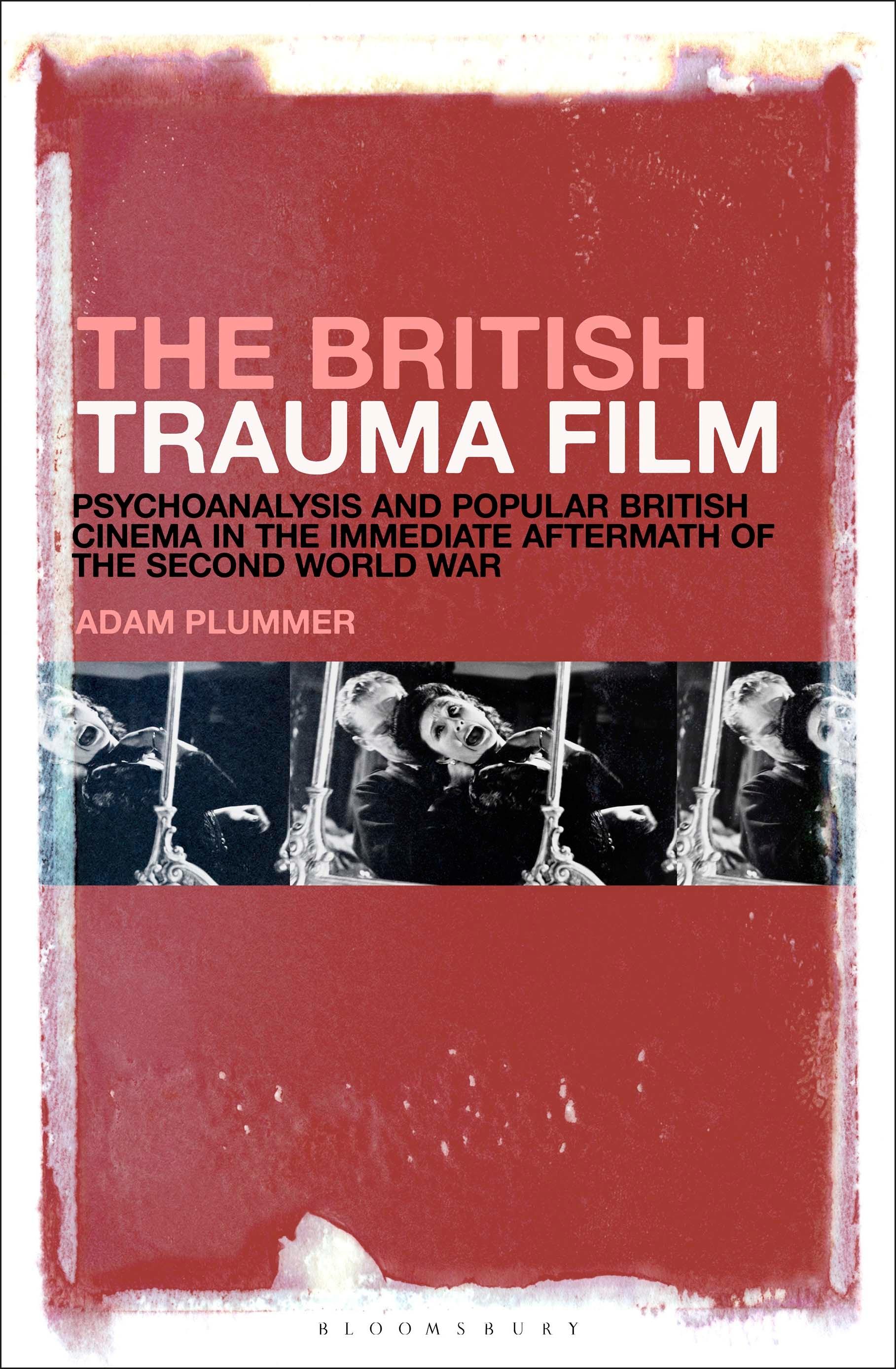
While the historical influence of psychoanalysis on Hollywood cinema has received considerable attention, the same cannot be said for its influence on British cinema. This book examines the central position that psychoanalysis occupies in British cinema in the years immediately following the Second World War.
Plummer uses a critical theory framework to understand the role that psychoanalysis plays in British culture at this time as an historical discourse, and in British cinema as a narrative, a cultural, and an ideological discourse. He defines these as arising within various areas of contemporary psychoanalytic thinking related to traumatic wartime experience, sexual difference, and the interplay between subjectivity and objectivity. He analyzes six British films of the period: The Halfway House, Dead of Night, The Seventh Veil, Madonna of the Seven Moons, They Made Me a Fugitive, and Mine Own Executioner and demonstrates how psychoanalysis operates within them as a narrative and formal structuring mechanism. He argues that this engagement enables these films to begin to address the emotional fallout of the war by creating safe representational spaces where contemporary audiences could engage with their own traumatic experiences.
While The British Trauma Film defines psychoanalysis as providing a language for British cinema at this time to confront the effects of wartime trauma, it finds that it also operates within a normalizing ideological system designed to reproduce dominant pre-war relations of political, social, and sexual power. However, in this group of films, this system is often countered by subversive discursive forces that seem to be immanent to the films themselves.
Plummer uses a critical theory framework to understand the role that psychoanalysis plays in British culture at this time as an historical discourse, and in British cinema as a narrative, a cultural, and an ideological discourse. He defines these as arising within various areas of contemporary psychoanalytic thinking related to traumatic wartime experience, sexual difference, and the interplay between subjectivity and objectivity. He analyzes six British films of the period: The Halfway House, Dead of Night, The Seventh Veil, Madonna of the Seven Moons, They Made Me a Fugitive, and Mine Own Executioner and demonstrates how psychoanalysis operates within them as a narrative and formal structuring mechanism. He argues that this engagement enables these films to begin to address the emotional fallout of the war by creating safe representational spaces where contemporary audiences could engage with their own traumatic experiences.
While The British Trauma Film defines psychoanalysis as providing a language for British cinema at this time to confront the effects of wartime trauma, it finds that it also operates within a normalizing ideological system designed to reproduce dominant pre-war relations of political, social, and sexual power. However, in this group of films, this system is often countered by subversive discursive forces that seem to be immanent to the films themselves.
Seiten: 240
Kategorie: Film- & Medievetenskap
e-ISBN: 9798765100486
Versandgewicht: 1.2 kg
Versand in: 1-2 Tage
Zahle einfach mit Karte, Klarna, Apple Pay oder Google Pay. Nicht zufrieden? Du hast immer ein 14-tägiges Widerrufsrecht. Lies mehr in unseren AGB. Hast du Fragen, schreib uns eine E-Mail an hello@memmo.org.
Memmo macht das Lernen einfacher – wo auch immer du bist. Bei uns findest du deine Kursbücher und smarte Lerntools an einem Ort: Zusammenfassungen, Quizzes, Podcasts und Lernkarten. Und Ted, dein Lernbuddy, beantwortet alles, was du wissen möchtest. Über 50.000 Studierende lernen bereits hier – gemacht, damit du schneller lernst und weniger Stress hast.