
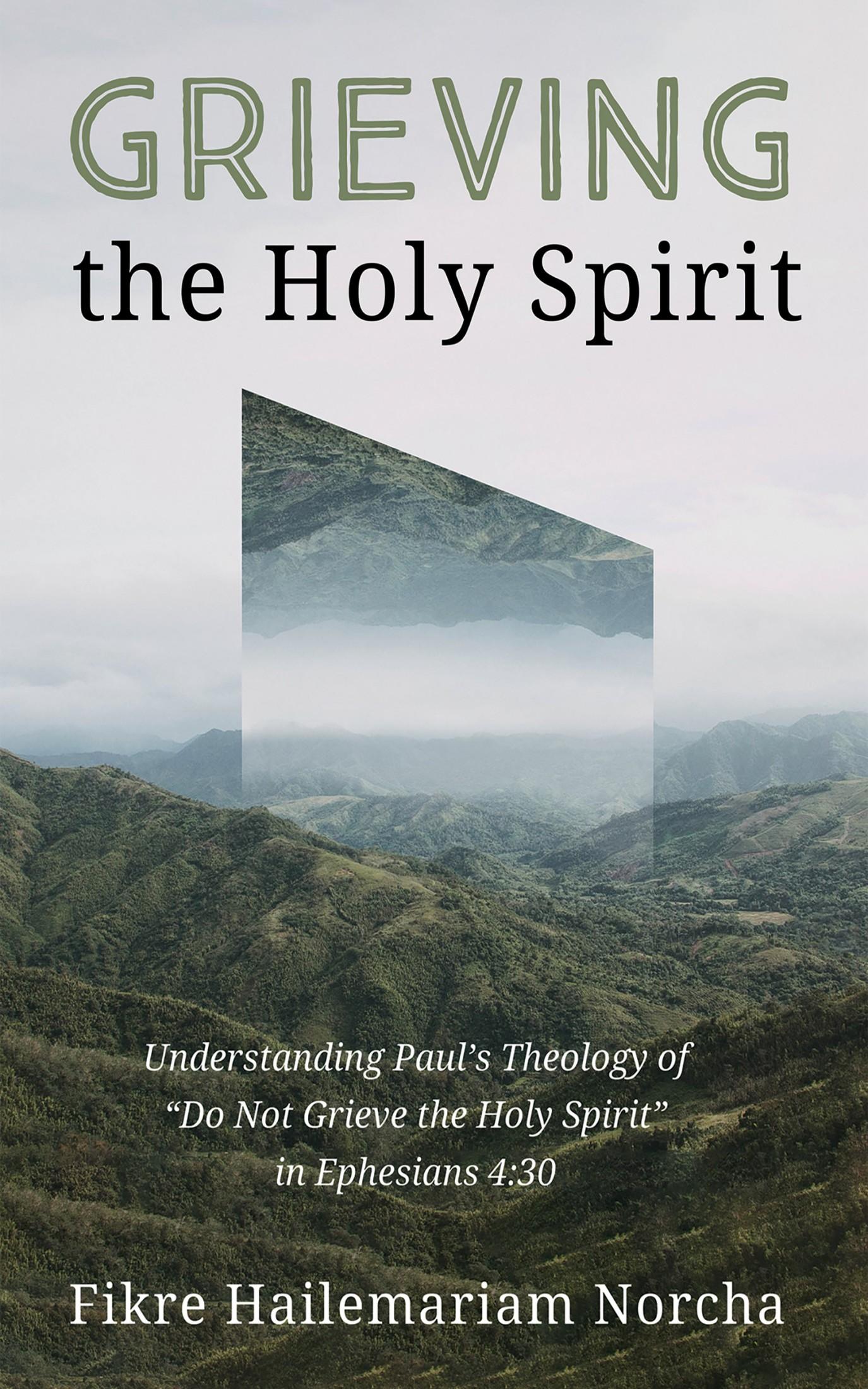
What does Paul intend when he commands believers in Ephesians 4:30 not to “grieve the Holy Spirit”? This study argues that Paul’s admonition, informed by Isaiah 63:10, should be understood not in terms of divine sadness but as a warning against provoking or vexing the Spirit through immoral conduct, corrosive speech, and divisive attitudes that threaten the unity of the church. By reexamining the Greek verb lupeō in its biblical and intertextual context, this work contends that Paul envisions the Spirit as actively resisting the disruptive behaviors of God’s people, much as Israel’s rebellion provoked the Spirit in the Old Testament. The analysis further addresses theological questions concerning the Spirit’s impassibility and passion, demonstrating how the Spirit’s volitional engagement with human sin shapes the believer’s ethical responsibility. Both exegetical and theological in scope, this book contributes to Pauline studies and pneumatology by offering a fresh reading of Ephesians 4:30. It invites scholars, pastors, and students to reconsider long-held assumptions and to reflect more deeply on how the church’s life together may either provoke or honor the Spirit of God.
Zahle einfach mit Karte, Klarna, Apple Pay oder Google Pay. Nicht zufrieden? Du hast immer ein 14-tägiges Widerrufsrecht. Lies mehr in unseren AGB. Hast du Fragen, schreib uns eine E-Mail an hello@memmo.org.
Memmo macht das Lernen einfacher – wo auch immer du bist. Bei uns findest du deine Kursbücher und smarte Lerntools an einem Ort: Zusammenfassungen, Quizzes, Podcasts und Lernkarten. Und Ted, dein Lernbuddy, beantwortet alles, was du wissen möchtest. Über 50.000 Studierende lernen bereits hier – gemacht, damit du schneller lernst und weniger Stress hast.
Das könnte dir auch gefallen
Buch kaufen0