
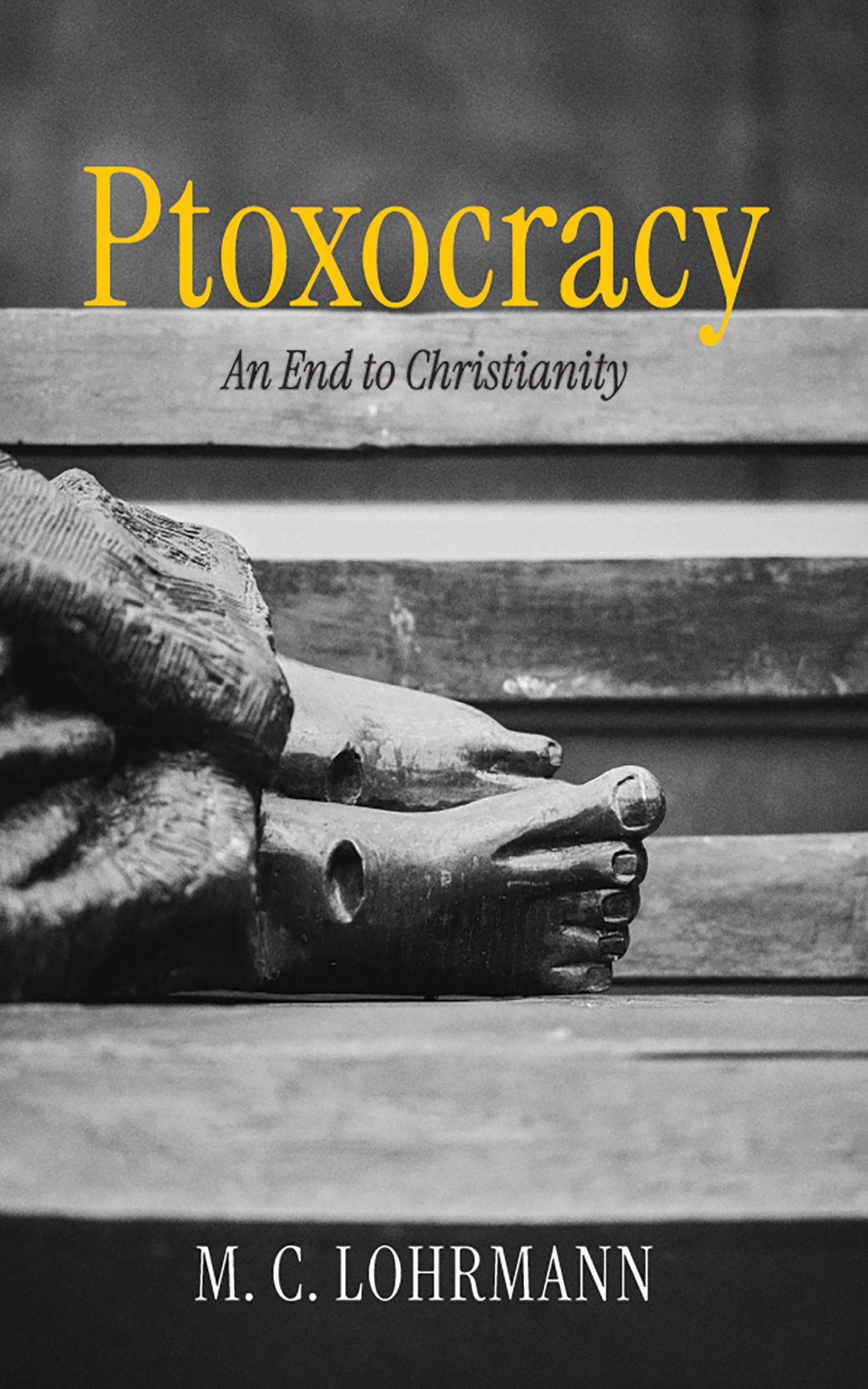
"The call of the church is ptoxocracy, either as a witness and practitioner or as its ideal standard-bearer in the world."
To have a meaningful stake in the lives of the poor, argues M. C. Lohrmann, would change the ways in which governance of all types--national or local municipalities, denominations, religious judicatories, and non-profit boards--determines its focus.
Lohrmann defines ptoxocracy (derived from the Greek ptoxoi, the poorest of the poor) as "governance by the materially poor; a hybrid form of representative democracy whereby only persons of the lowest economic status are eligible for elected public office." This model, he contends, allows us to step back from the coupling of wealth and power created by myths of meritocracy and a rich ruling class to envision a system that works for the good of the whole.
Looking to Scripture, Lohrmann follows the through-line of God's blessing of the poor in both the Hebrew and Christian canons. How might the kingdom of God appear if God's preferential option for the poor became the lens through which we organized our lives together?
Zahle einfach mit Karte, Klarna, Apple Pay oder Google Pay. Nicht zufrieden? Du hast immer ein 14-tägiges Widerrufsrecht. Lies mehr in unseren AGB. Hast du Fragen, schreib uns eine E-Mail an hello@memmo.org.
Memmo macht das Lernen einfacher – wo auch immer du bist. Bei uns findest du deine Kursbücher und smarte Lerntools an einem Ort: Zusammenfassungen, Quizzes, Podcasts und Lernkarten. Und Ted, dein Lernbuddy, beantwortet alles, was du wissen möchtest. Über 50.000 Studierende lernen bereits hier – gemacht, damit du schneller lernst und weniger Stress hast.
Das könnte dir auch gefallen
Buch kaufen0