
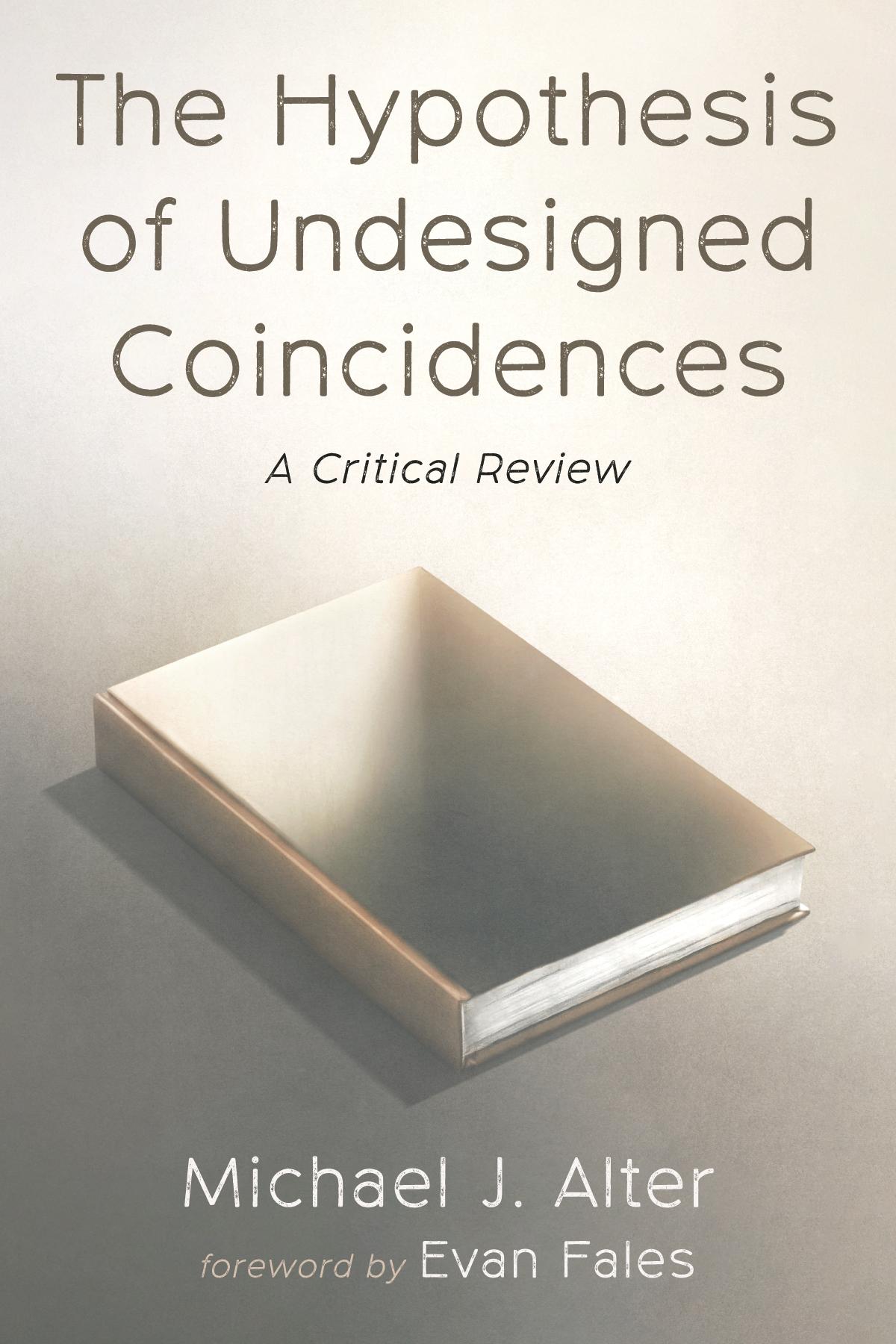
The hypothesis of Undesigned Coincidences was first proposed by William Paley (1743-1805) and later popularized by J. J. Blunt (1794-1855). More recently, Lydia and Timothy McGrew have revived this hypothesis. McGrew defines an undesigned coincidence as "a significant connection between two or more accounts or texts that does not appear to have been planned by the individuals providing the accounts. Despite their apparent independence, the elements fit together like pieces of a puzzle." Advocates use undesigned coincidences to argue that the Gospels are a compilation of independent and reliable sources. However, these advocates do not engage with biblical criticism and overlook relevant research on coincidences and casualness. The feeding of the five thousand is a prominent example discussed by proponents, who point to details such as the green grass, the location of Bethsaida, and the question posed by Jesus to Philip. These episodes are thoroughly reviewed and analyzed in The Hypothesis of Undesigned Coincidences.
Zahle einfach mit Karte, Klarna, Apple Pay oder Google Pay. Nicht zufrieden? Du hast immer ein 14-tägiges Widerrufsrecht. Lies mehr in unseren AGB. Hast du Fragen, schreib uns eine E-Mail an hello@memmo.org.
Memmo macht das Lernen einfacher – wo auch immer du bist. Bei uns findest du deine Kursbücher und smarte Lerntools an einem Ort: Zusammenfassungen, Quizzes, Podcasts und Lernkarten. Und Ted, dein Lernbuddy, beantwortet alles, was du wissen möchtest. Über 50.000 Studierende lernen bereits hier – gemacht, damit du schneller lernst und weniger Stress hast.
Das könnte dir auch gefallen
Buch kaufen0