
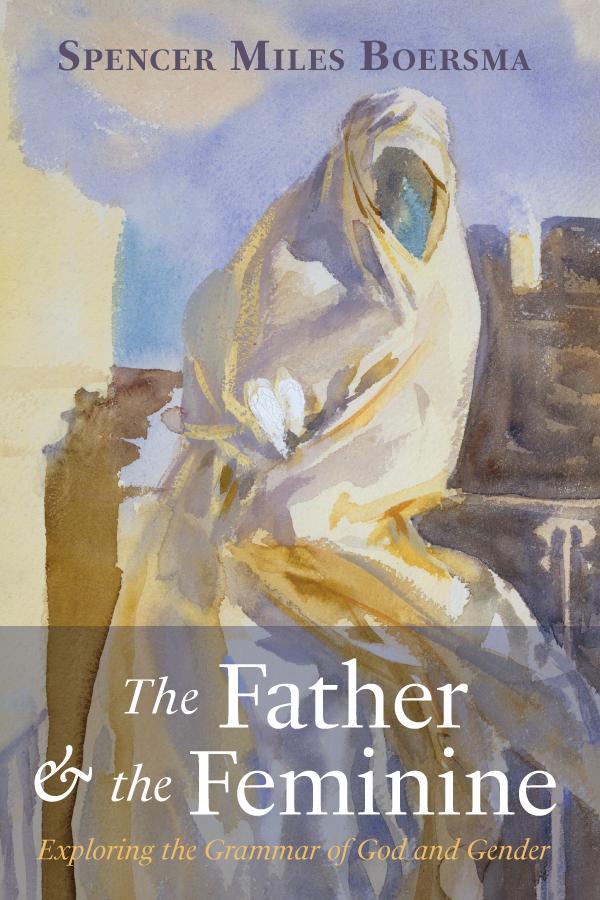
How should Christians speak of the transcendent yet personal God when our language for persons is almost always gendered? Is male imagery--such as Father, Son, or King--the only appropriate way? Are there ways to talk of God using female-gendered metaphors and pronouns? And how does the use of such language impact humans as gendered people? Moving beyond the extremes in this debate, The Father and the Feminine seeks to clarify the ways Christians speak about God: whether this is by recognizing revelation and Christian tradition; upholding God's ineffability; using analogies, metaphors, and narratives; referring to God as Father, Son, and Spirit; or by seeking a liberating way of life in community. Spencer Miles Boersma argues that male language for God need not be problematic if used and understood correctly but, at the same time, that it cannot be the exclusive way Christians speak of the Divine. The grammar of Christian Scripture and tradition both authorize the use of female language, which Christians ought to use in pursuing a deeper relationship with God and others, as well as a more authentic view of self.
Zahle einfach mit Karte, Klarna, Apple Pay oder Google Pay. Nicht zufrieden? Du hast immer ein 14-tägiges Widerrufsrecht. Lies mehr in unseren AGB. Hast du Fragen, schreib uns eine E-Mail an hello@memmo.org.
Memmo macht das Lernen einfacher – wo auch immer du bist. Bei uns findest du deine Kursbücher und smarte Lerntools an einem Ort: Zusammenfassungen, Quizzes, Podcasts und Lernkarten. Und Ted, dein Lernbuddy, beantwortet alles, was du wissen möchtest. Über 50.000 Studierende lernen bereits hier – gemacht, damit du schneller lernst und weniger Stress hast.
Das könnte dir auch gefallen
Buch kaufen0