
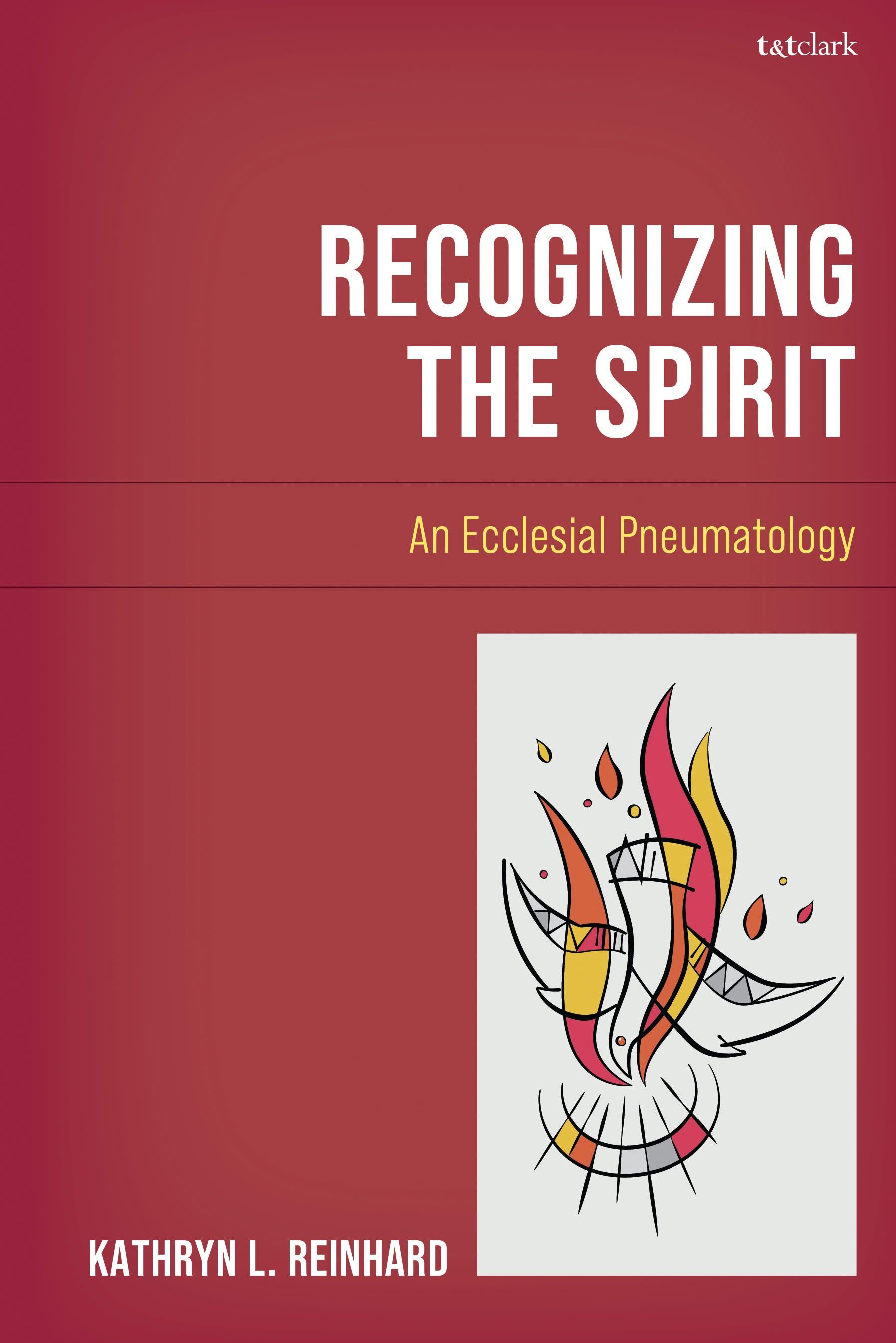
Boldly tackling the question of how to negotiate diversities in identity and practice within the unity of ecclesial relationship, this book constructs an ecclesial Pneumatology capable of addressing modern issues of church conflict and separation.
In a time of “ecumenical winter” and intra-ecclesial fracturing, the ecclesial crises of our time are at root a problem of “recognition.” Here, ecumenical recognition is supplemented with insights from Continental philosophy, literary theory, and Augustinian Pneumatology. Ultimately, this book follows the work of Eberhard Jüngel to propose a correspondence between the existence of the church and the existence of the triune God, in that both exist as “a communion of mutual otherness.”
If God is who Christians say God is––if the Spirit is and does the work that Augustine and Jüngel say it does––then Christians are incorporated into a Body whose shape we are not free to determine. God's primary recognition of believers in the church affects a secondary recognition that, despite the very real harm Christians do perpetrate against one another in our performative divisions, should make us question the extent to which we can every truly do without one another.
In a time of “ecumenical winter” and intra-ecclesial fracturing, the ecclesial crises of our time are at root a problem of “recognition.” Here, ecumenical recognition is supplemented with insights from Continental philosophy, literary theory, and Augustinian Pneumatology. Ultimately, this book follows the work of Eberhard Jüngel to propose a correspondence between the existence of the church and the existence of the triune God, in that both exist as “a communion of mutual otherness.”
If God is who Christians say God is––if the Spirit is and does the work that Augustine and Jüngel say it does––then Christians are incorporated into a Body whose shape we are not free to determine. God's primary recognition of believers in the church affects a secondary recognition that, despite the very real harm Christians do perpetrate against one another in our performative divisions, should make us question the extent to which we can every truly do without one another.
Seiten: 320
Kategorie: Religion & Teologi
e-ISBN: 9798216354086
Versandgewicht: 1.2 kg
Versand in: 1-2 Tage
Zahle einfach mit Karte, Klarna, Apple Pay oder Google Pay. Nicht zufrieden? Du hast immer ein 14-tägiges Widerrufsrecht. Lies mehr in unseren AGB. Hast du Fragen, schreib uns eine E-Mail an hello@memmo.org.
Memmo macht das Lernen einfacher – wo auch immer du bist. Bei uns findest du deine Kursbücher und smarte Lerntools an einem Ort: Zusammenfassungen, Quizzes, Podcasts und Lernkarten. Und Ted, dein Lernbuddy, beantwortet alles, was du wissen möchtest. Über 50.000 Studierende lernen bereits hier – gemacht, damit du schneller lernst und weniger Stress hast.