
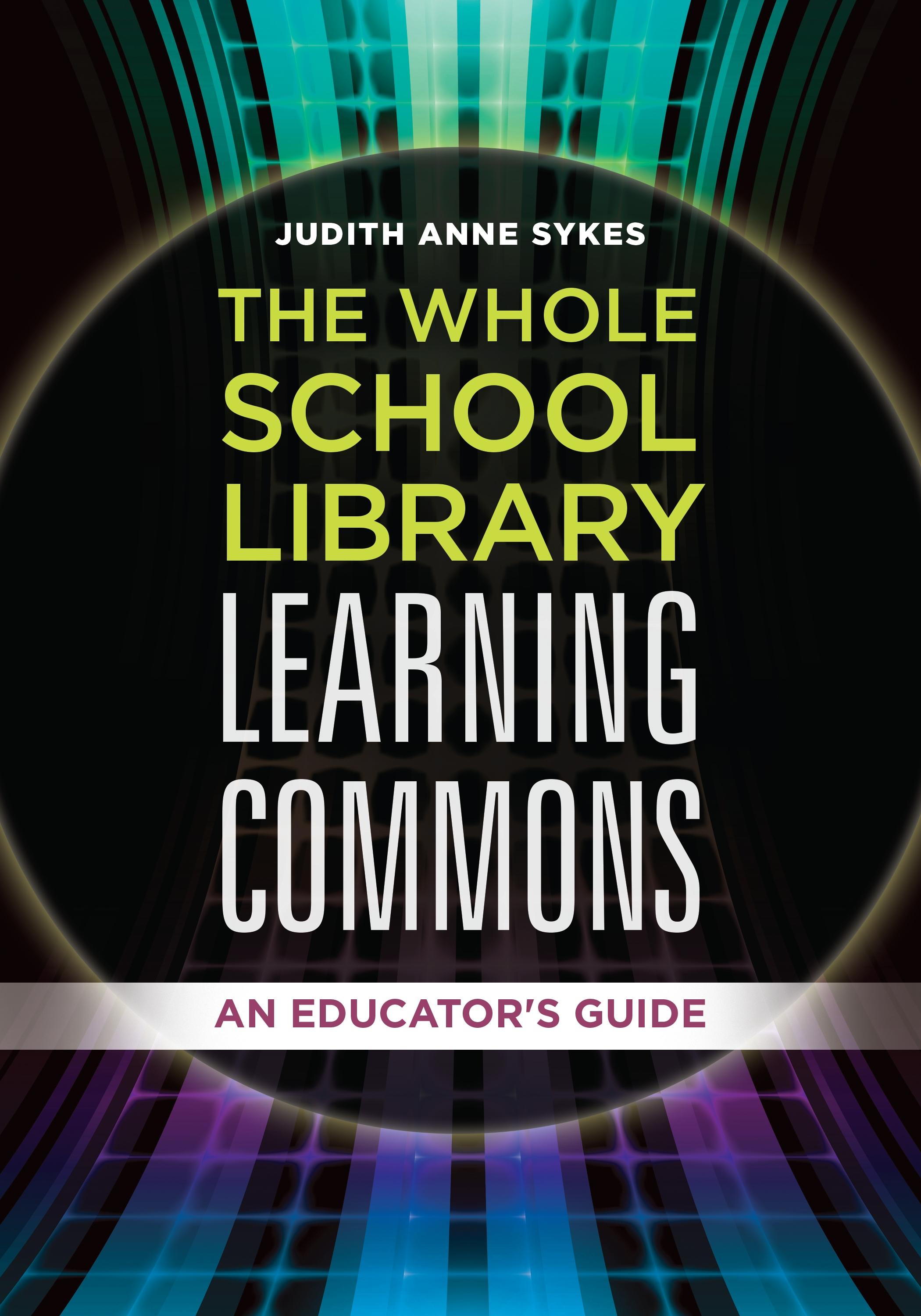
Introduce your teachers, librarians, and administrators to the roles and responsibilities of educators in advocating a whole school library learning commons using this step-by-step guide for creating shared learning space in your school.
It is no surprise that technology has shifted the way we educate—bearing on how, what, and where we learn. This guide lays the framework for helping turn your school library into a whole school library learning commons (WSLLC)—a space where traditional academics merge with the latest technologies to engage learners in a way never before realized.
Author Judith Anne Sykes contends that since the WSLLC philosophy allows staff and students to co-create knowledge in a shared space, it is more effective than the traditional approach. Sykes addresses the differences between a school library and a WSLLC, provides reasons to champion its creation in your institution, and discusses how to use mentoring as a means to sustain its survival. The book explores the roles and responsibilities of educators in developing WSLLC goals and presents strategies for using typical assessment tools—including standardized tests, report cards, and anecdotal assessments—to help support its philosophy.
It is no surprise that technology has shifted the way we educate—bearing on how, what, and where we learn. This guide lays the framework for helping turn your school library into a whole school library learning commons (WSLLC)—a space where traditional academics merge with the latest technologies to engage learners in a way never before realized.
Author Judith Anne Sykes contends that since the WSLLC philosophy allows staff and students to co-create knowledge in a shared space, it is more effective than the traditional approach. Sykes addresses the differences between a school library and a WSLLC, provides reasons to champion its creation in your institution, and discusses how to use mentoring as a means to sustain its survival. The book explores the roles and responsibilities of educators in developing WSLLC goals and presents strategies for using typical assessment tools—including standardized tests, report cards, and anecdotal assessments—to help support its philosophy.
Zahle einfach mit Karte, Klarna, Apple Pay oder Google Pay. Nicht zufrieden? Du hast immer ein 14-tägiges Widerrufsrecht. Lies mehr in unseren AGB. Hast du Fragen, schreib uns eine E-Mail an hello@memmo.org.
Memmo macht das Lernen einfacher – wo auch immer du bist. Bei uns findest du deine Kursbücher und smarte Lerntools an einem Ort: Zusammenfassungen, Quizzes, Podcasts und Lernkarten. Und Ted, dein Lernbuddy, beantwortet alles, was du wissen möchtest. Über 50.000 Studierende lernen bereits hier – gemacht, damit du schneller lernst und weniger Stress hast.