
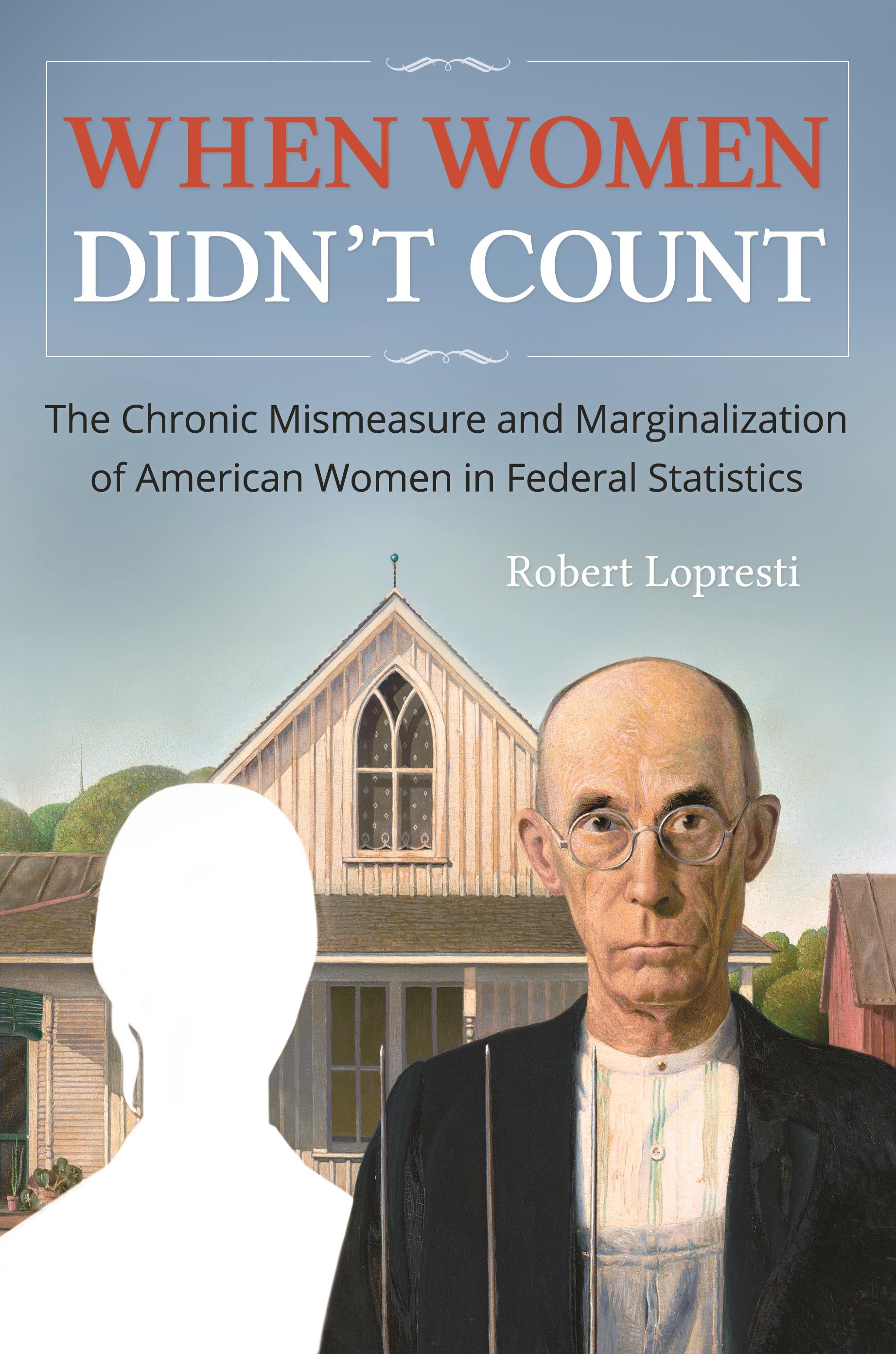
Erroneous government-generated "data" is more problematic than it would appear. This book demonstrates how women's history has consistently been hidden and distorted by 200 years of official government statistics.
Much of women's history has been hidden and filtered through unrealistic expectations and assumptions. Because U.S. government data about women's lives and occupations has been significantly inaccurate, these misrepresentations in statistical information have shaped the reality of women's lives. They also affect men and society as a whole: these numbers influence our investments, our property values, our representation in Congress, and even how we see our place in society. This book documents how U.S. federal government statistics have served to reveal and conceal facts about women in the United States. It reaches back to the late 1800s, when the U.S. Census Bureau first listed women's occupations, and forward to the present, when the U.S. government relies on nonprofit groups for statistics on abortion.
Objective and accurate, When Women Didn't Count isn't focused on numbers and census results as much as on recognizing problems in data, exposing the hidden facets of government data, and using critical thinking when considering all seemingly authoritative sources. Readers will contemplate how the government decided that a "farmer's wife" could be a farmer, how the ongoing battle over abortion has been reflected in the numbers the government is allowed to keep and publish, the consequences of the Census Bureau "correcting" reports of women in unusual occupations in 1920, and why the official count of women-owned businesses dropped 20 percent in 1997.
Much of women's history has been hidden and filtered through unrealistic expectations and assumptions. Because U.S. government data about women's lives and occupations has been significantly inaccurate, these misrepresentations in statistical information have shaped the reality of women's lives. They also affect men and society as a whole: these numbers influence our investments, our property values, our representation in Congress, and even how we see our place in society. This book documents how U.S. federal government statistics have served to reveal and conceal facts about women in the United States. It reaches back to the late 1800s, when the U.S. Census Bureau first listed women's occupations, and forward to the present, when the U.S. government relies on nonprofit groups for statistics on abortion.
Objective and accurate, When Women Didn't Count isn't focused on numbers and census results as much as on recognizing problems in data, exposing the hidden facets of government data, and using critical thinking when considering all seemingly authoritative sources. Readers will contemplate how the government decided that a "farmer's wife" could be a farmer, how the ongoing battle over abortion has been reflected in the numbers the government is allowed to keep and publish, the consequences of the Census Bureau "correcting" reports of women in unusual occupations in 1920, and why the official count of women-owned businesses dropped 20 percent in 1997.
Zahle einfach mit Karte, Klarna, Apple Pay oder Google Pay. Nicht zufrieden? Du hast immer ein 14-tägiges Widerrufsrecht. Lies mehr in unseren AGB. Hast du Fragen, schreib uns eine E-Mail an hello@memmo.org.
Memmo macht das Lernen einfacher – wo auch immer du bist. Bei uns findest du deine Kursbücher und smarte Lerntools an einem Ort: Zusammenfassungen, Quizzes, Podcasts und Lernkarten. Und Ted, dein Lernbuddy, beantwortet alles, was du wissen möchtest. Über 50.000 Studierende lernen bereits hier – gemacht, damit du schneller lernst und weniger Stress hast.