
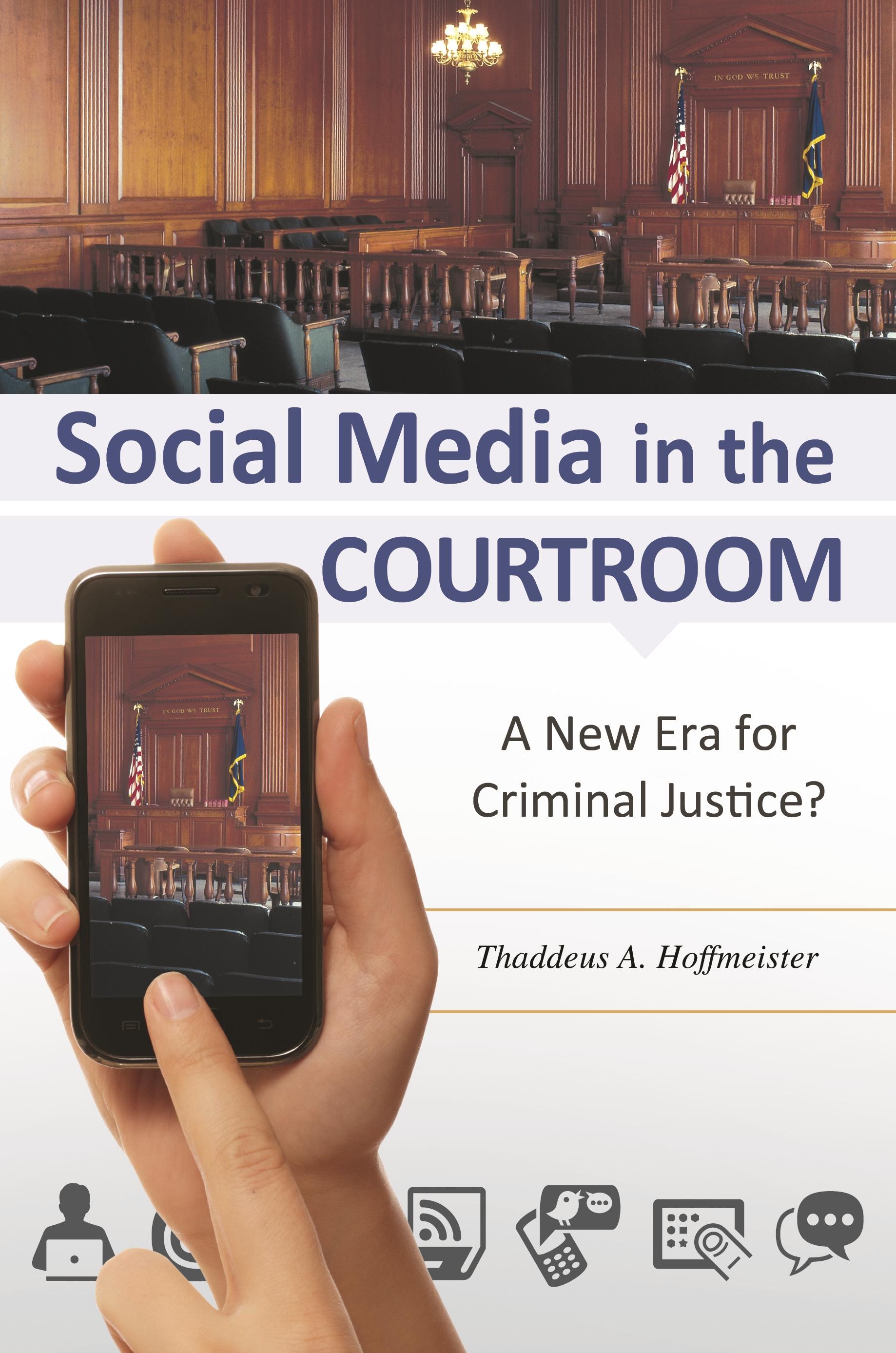
Social media hasn't just changed society—it's changing the way in which criminal law is prosecuted, defended, and adjudicated. This fascinating book explains how.
While social media has become embedded in our society as a way to stay connected with friends, it serves another important purpose: to support the prosecution and defense of criminal cases. Social media is now used as proof of a crime; further, social media has become a vehicle for criminal activity. How should the law respond to the issue of online predators, stalkers, and identity thieves? This book comprehensively examines the complex impacts of social media on the major players in the criminal justice system: private citizens, attorneys, law enforcement officials, and judges. It outlines the many ways social media affects the judicial process, citing numerous example cases that demonstrate the legal challenges; and examines the issue from all sides, including law enforcement's role, citizens' privacy issues, and the principles of the Fourth Amendment. The author also shines a critical spotlight on how social media has enabled new types of investigations previously unimagined—some of which present ethical problems.
While social media has become embedded in our society as a way to stay connected with friends, it serves another important purpose: to support the prosecution and defense of criminal cases. Social media is now used as proof of a crime; further, social media has become a vehicle for criminal activity. How should the law respond to the issue of online predators, stalkers, and identity thieves? This book comprehensively examines the complex impacts of social media on the major players in the criminal justice system: private citizens, attorneys, law enforcement officials, and judges. It outlines the many ways social media affects the judicial process, citing numerous example cases that demonstrate the legal challenges; and examines the issue from all sides, including law enforcement's role, citizens' privacy issues, and the principles of the Fourth Amendment. The author also shines a critical spotlight on how social media has enabled new types of investigations previously unimagined—some of which present ethical problems.
Zahle einfach mit Karte, Klarna, Apple Pay oder Google Pay. Nicht zufrieden? Du hast immer ein 14-tägiges Widerrufsrecht. Lies mehr in unseren AGB. Hast du Fragen, schreib uns eine E-Mail an hello@memmo.org.
Memmo macht das Lernen einfacher – wo auch immer du bist. Bei uns findest du deine Kursbücher und smarte Lerntools an einem Ort: Zusammenfassungen, Quizzes, Podcasts und Lernkarten. Und Ted, dein Lernbuddy, beantwortet alles, was du wissen möchtest. Über 50.000 Studierende lernen bereits hier – gemacht, damit du schneller lernst und weniger Stress hast.