
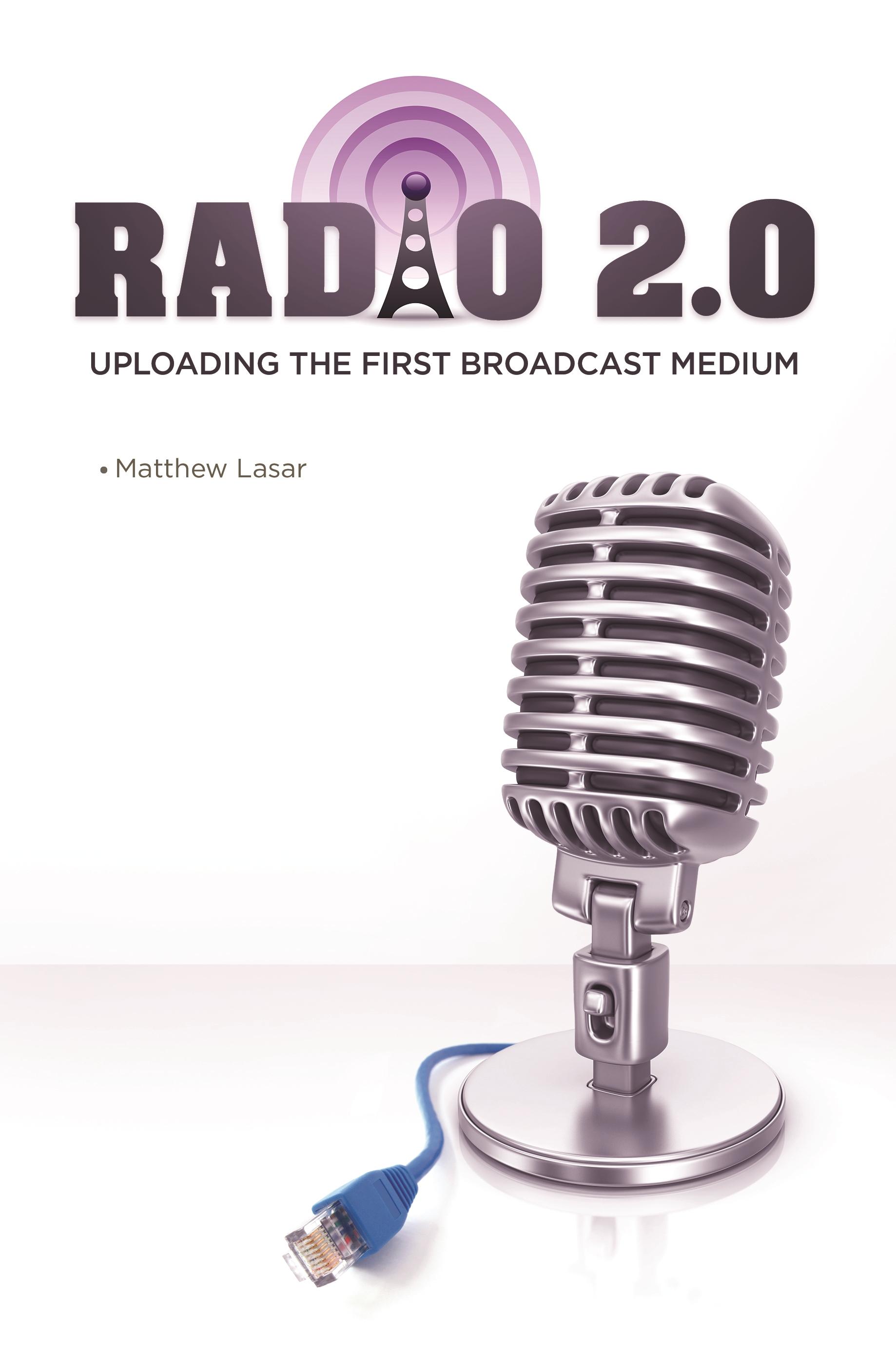
Welcome to the uncertain world of "Radio 2.0"—where podcasts, mobile streaming, and huge music databases are the new reality, as are tweeting deejays and Apple's Siri serving as music announcer—and understand the exciting status this medium has, and will continue to have, in our digitally inclined society.
How did popular radio in past decades—from President Franklin D. Roosevelt's "Fireside Chats" in the 1930s through Top 40 music and Rush Limbaugh's talk radio empire—shape American society? How did devices and systems like the iPhone, Pandora, and YouTube turn the radio industry upside-down? Does radio still have a future, and if so, what will we want it to look like?
Radio 2.0: Uploading the First Broadcast Medium covers the history and evolution of Internet radio, explaining what came before, where Internet radio came from, and where it is likely headed. It also gives readers a frame of reference by describing radio from its introduction to American audiences in the 1920s—a medium that brought people together through a common experience of the same broadcast—and shows how technologies like digital music and streaming music services put into question the very definition of "radio." By examining new radio and media technologies, the book explores an important societal trend: the shift of media toward individualized or personalized forms of consumption.
How did popular radio in past decades—from President Franklin D. Roosevelt's "Fireside Chats" in the 1930s through Top 40 music and Rush Limbaugh's talk radio empire—shape American society? How did devices and systems like the iPhone, Pandora, and YouTube turn the radio industry upside-down? Does radio still have a future, and if so, what will we want it to look like?
Radio 2.0: Uploading the First Broadcast Medium covers the history and evolution of Internet radio, explaining what came before, where Internet radio came from, and where it is likely headed. It also gives readers a frame of reference by describing radio from its introduction to American audiences in the 1920s—a medium that brought people together through a common experience of the same broadcast—and shows how technologies like digital music and streaming music services put into question the very definition of "radio." By examining new radio and media technologies, the book explores an important societal trend: the shift of media toward individualized or personalized forms of consumption.
Seiten: 208
Kategorie: Film- & Medievetenskap
e-ISBN: 9798216135500
Versandgewicht: 1.2 kg
Versand in: 1-2 Tage
Zahle einfach mit Karte, Klarna, Apple Pay oder Google Pay. Nicht zufrieden? Du hast immer ein 14-tägiges Widerrufsrecht. Lies mehr in unseren AGB. Hast du Fragen, schreib uns eine E-Mail an hello@memmo.org.
Memmo macht das Lernen einfacher – wo auch immer du bist. Bei uns findest du deine Kursbücher und smarte Lerntools an einem Ort: Zusammenfassungen, Quizzes, Podcasts und Lernkarten. Und Ted, dein Lernbuddy, beantwortet alles, was du wissen möchtest. Über 50.000 Studierende lernen bereits hier – gemacht, damit du schneller lernst und weniger Stress hast.