
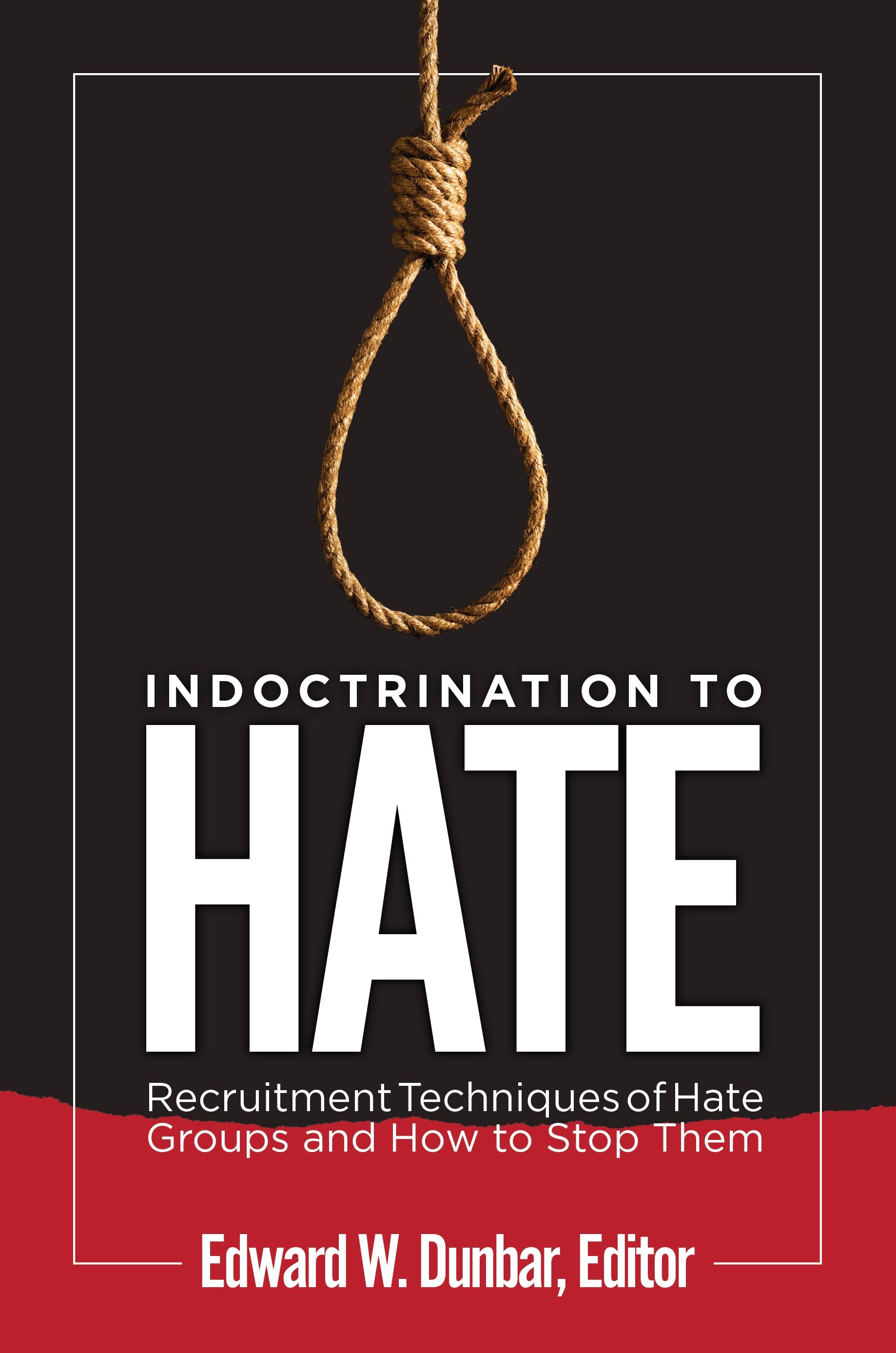
This collection spotlights the impact of hate violence on individuals and communities as well as how people form biases and are indoctrinated into hate groups, why they participate in violent hate crimes, and how hate may become extreme.
This book details the solicitation and indoctrination of members into extremist hate groups. Using theoretical, empirical, and field studies, experts explain the psychological processes of bias formation, hate identity, and the stages of extremism, and detail first-person accounts of hate group membership and critical incidents of hate violence. Contributors draw significantly upon the current wave of reactionary political and racial intolerance witnessed in the United States and Europe in addressing specific groups and forms of hate extremism as found across different cultural and geographic regions.
A statistically based analysis of how hate and ideology each contribute to political extremism accompanies the text and provides a long-term perspective of hate-based lifestyles. The book also offers a neuroscientific explanation of hate ideology as a psychological problem presenting a unique perspective, and a discussion of the interplay of governments and stakeholders in the untangling of the legal issues of hate crimes and of domestic and international terrorism. This text will be useful for students, researchers, and professionals in the social and behavioral sciences, law enforcement, criminal justice, and political science.
This book details the solicitation and indoctrination of members into extremist hate groups. Using theoretical, empirical, and field studies, experts explain the psychological processes of bias formation, hate identity, and the stages of extremism, and detail first-person accounts of hate group membership and critical incidents of hate violence. Contributors draw significantly upon the current wave of reactionary political and racial intolerance witnessed in the United States and Europe in addressing specific groups and forms of hate extremism as found across different cultural and geographic regions.
A statistically based analysis of how hate and ideology each contribute to political extremism accompanies the text and provides a long-term perspective of hate-based lifestyles. The book also offers a neuroscientific explanation of hate ideology as a psychological problem presenting a unique perspective, and a discussion of the interplay of governments and stakeholders in the untangling of the legal issues of hate crimes and of domestic and international terrorism. This text will be useful for students, researchers, and professionals in the social and behavioral sciences, law enforcement, criminal justice, and political science.
Zahle einfach mit Karte, Klarna, Apple Pay oder Google Pay. Nicht zufrieden? Du hast immer ein 14-tägiges Widerrufsrecht. Lies mehr in unseren AGB. Hast du Fragen, schreib uns eine E-Mail an hello@memmo.org.
Memmo macht das Lernen einfacher – wo auch immer du bist. Bei uns findest du deine Kursbücher und smarte Lerntools an einem Ort: Zusammenfassungen, Quizzes, Podcasts und Lernkarten. Und Ted, dein Lernbuddy, beantwortet alles, was du wissen möchtest. Über 50.000 Studierende lernen bereits hier – gemacht, damit du schneller lernst und weniger Stress hast.