
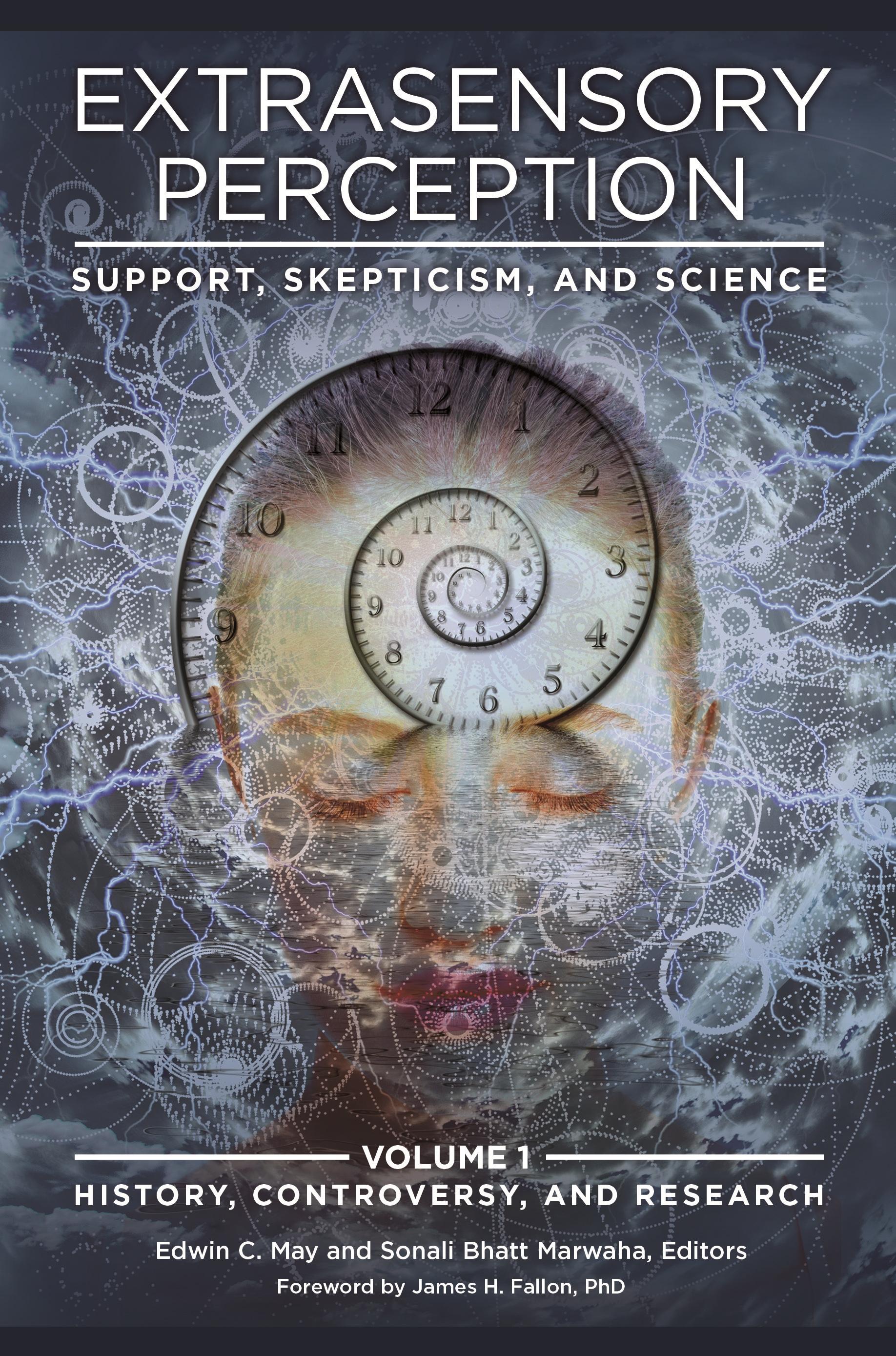
Scholars from around the world collaborate to explain the history of parapsychology, the study of extrasensory perception (ESP), and the arguments of skeptics and supporters in this fascinating collection.
This two-volume set introduces ESP—also known as anomalous cognition—and psychokinesis, addressing the history, research, philosophy, and scientific theories surrounding the phenomena. With contributions from leading research scientists from within the field of parapsychology and other areas of study, this reference addresses the fundamental questions that the evidence of ESP evokes; examines parapsychology research from all over the world; and explores the controversies, skepticism, and contemporary criticism disparaging the field.
Written for a multidisciplinary audience ranging from physicists to psychologists to lay persons, the volumes present the scientific validity of the field. Volume 1 addresses the historical, philosophical, skeptical, and research viewpoints; volume 2 lays out the current theories on ESP. Chapters reveal how strict scientific protocols and state-of-the-art technologies enable scientists—at sites such as Harvard and Cornell universities to their international counterparts in Amsterdam, Austria, and Asia—to pinpoint and investigate ESP abilities. Appendices include a glossary of key terms in parapsychology, ESP research protocol, ESP research organizations, skeptic associations, and recommended reading.
This two-volume set introduces ESP—also known as anomalous cognition—and psychokinesis, addressing the history, research, philosophy, and scientific theories surrounding the phenomena. With contributions from leading research scientists from within the field of parapsychology and other areas of study, this reference addresses the fundamental questions that the evidence of ESP evokes; examines parapsychology research from all over the world; and explores the controversies, skepticism, and contemporary criticism disparaging the field.
Written for a multidisciplinary audience ranging from physicists to psychologists to lay persons, the volumes present the scientific validity of the field. Volume 1 addresses the historical, philosophical, skeptical, and research viewpoints; volume 2 lays out the current theories on ESP. Chapters reveal how strict scientific protocols and state-of-the-art technologies enable scientists—at sites such as Harvard and Cornell universities to their international counterparts in Amsterdam, Austria, and Asia—to pinpoint and investigate ESP abilities. Appendices include a glossary of key terms in parapsychology, ESP research protocol, ESP research organizations, skeptic associations, and recommended reading.
Zahle einfach mit Karte, Klarna, Apple Pay oder Google Pay. Nicht zufrieden? Du hast immer ein 14-tägiges Widerrufsrecht. Lies mehr in unseren AGB. Hast du Fragen, schreib uns eine E-Mail an hello@memmo.org.
Memmo macht das Lernen einfacher – wo auch immer du bist. Bei uns findest du deine Kursbücher und smarte Lerntools an einem Ort: Zusammenfassungen, Quizzes, Podcasts und Lernkarten. Und Ted, dein Lernbuddy, beantwortet alles, was du wissen möchtest. Über 50.000 Studierende lernen bereits hier – gemacht, damit du schneller lernst und weniger Stress hast.