
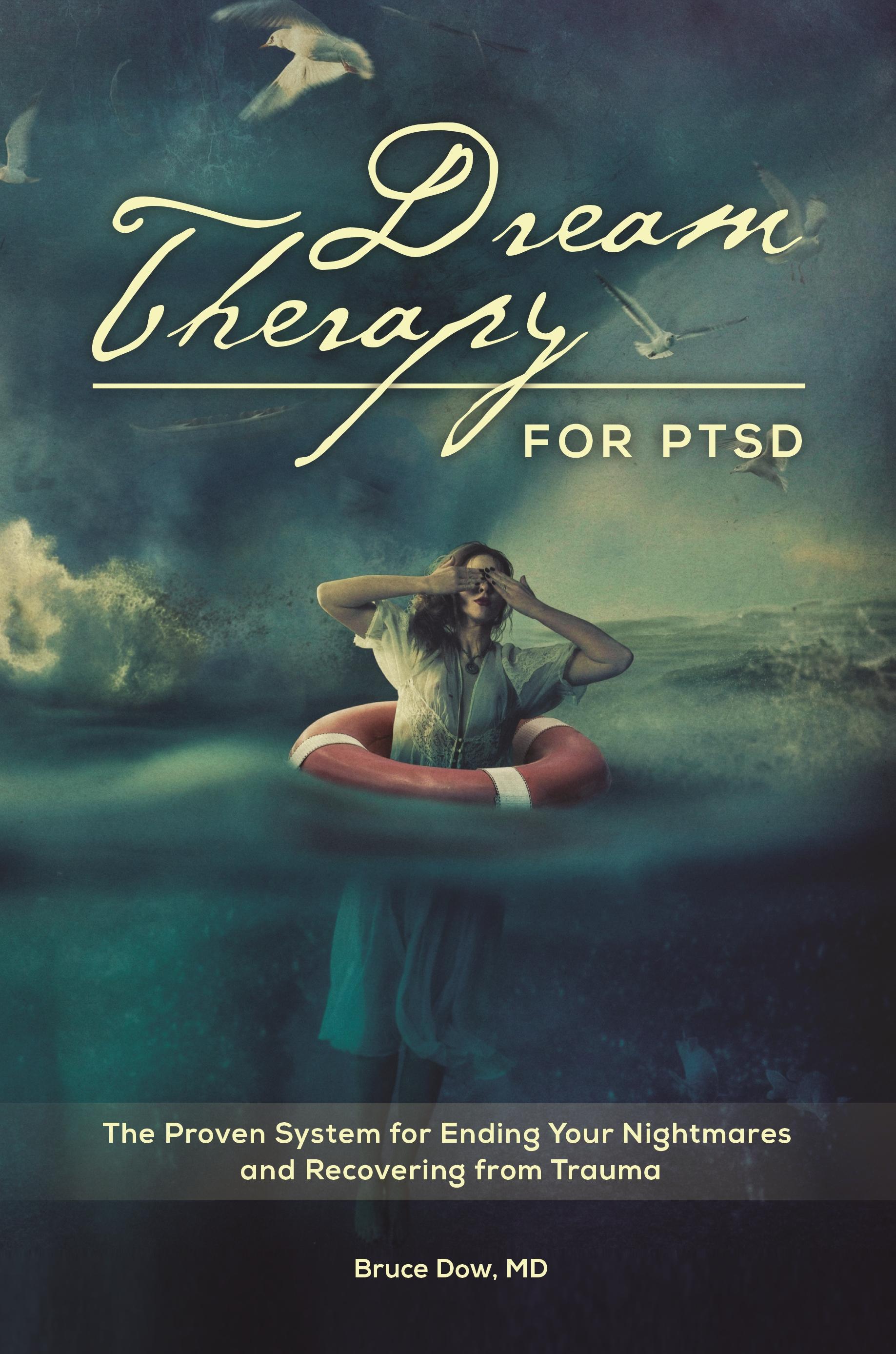
In this series of clinical vignettes, a board-certified psychiatrist and life fellow of the American Psychiatric Association illustrates the effectiveness of dream therapy in treating posttraumatic stress disorder (PTSD).
Posttraumatic stress disorder (PTSD) can be disabling and difficult to treat, often leading to depression, suicide, and homicide in extreme cases. In this clinical-based reference, acclaimed psychiatrist and neuroscience researcher, Bruce Dow, provides a step-by-step approach for implementing dream revision therapy—a treatment proven to eliminate nightmares, flashbacks, anxiety, and other debilitating effects of PTSD. Drawing from work with patients in both military and civilian settings, Dow shows how to utilize imagery rehearsal exercises to help mitigate the effects of the illness.
The vast majority of the book's 11 chapters focus on clinical case studies of patients who have suffered under the effects of the disease—for example, a hotel employee who witnesses a gory suicide; a female police officer whose career-ending crash in her patrol car brings back traumatic memories from childhood; and Vietnam combat veterans with recurrent posttraumatic nightmares. Each vignette offers details of the dream revision method along with clinical tips for ensuring its success. The final chapter features descriptions of brain mechanisms of PTSD and dream revision.
Posttraumatic stress disorder (PTSD) can be disabling and difficult to treat, often leading to depression, suicide, and homicide in extreme cases. In this clinical-based reference, acclaimed psychiatrist and neuroscience researcher, Bruce Dow, provides a step-by-step approach for implementing dream revision therapy—a treatment proven to eliminate nightmares, flashbacks, anxiety, and other debilitating effects of PTSD. Drawing from work with patients in both military and civilian settings, Dow shows how to utilize imagery rehearsal exercises to help mitigate the effects of the illness.
The vast majority of the book's 11 chapters focus on clinical case studies of patients who have suffered under the effects of the disease—for example, a hotel employee who witnesses a gory suicide; a female police officer whose career-ending crash in her patrol car brings back traumatic memories from childhood; and Vietnam combat veterans with recurrent posttraumatic nightmares. Each vignette offers details of the dream revision method along with clinical tips for ensuring its success. The final chapter features descriptions of brain mechanisms of PTSD and dream revision.
Zahle einfach mit Karte, Klarna, Apple Pay oder Google Pay. Nicht zufrieden? Du hast immer ein 14-tägiges Widerrufsrecht. Lies mehr in unseren AGB. Hast du Fragen, schreib uns eine E-Mail an hello@memmo.org.
Memmo macht das Lernen einfacher – wo auch immer du bist. Bei uns findest du deine Kursbücher und smarte Lerntools an einem Ort: Zusammenfassungen, Quizzes, Podcasts und Lernkarten. Und Ted, dein Lernbuddy, beantwortet alles, was du wissen möchtest. Über 50.000 Studierende lernen bereits hier – gemacht, damit du schneller lernst und weniger Stress hast.