
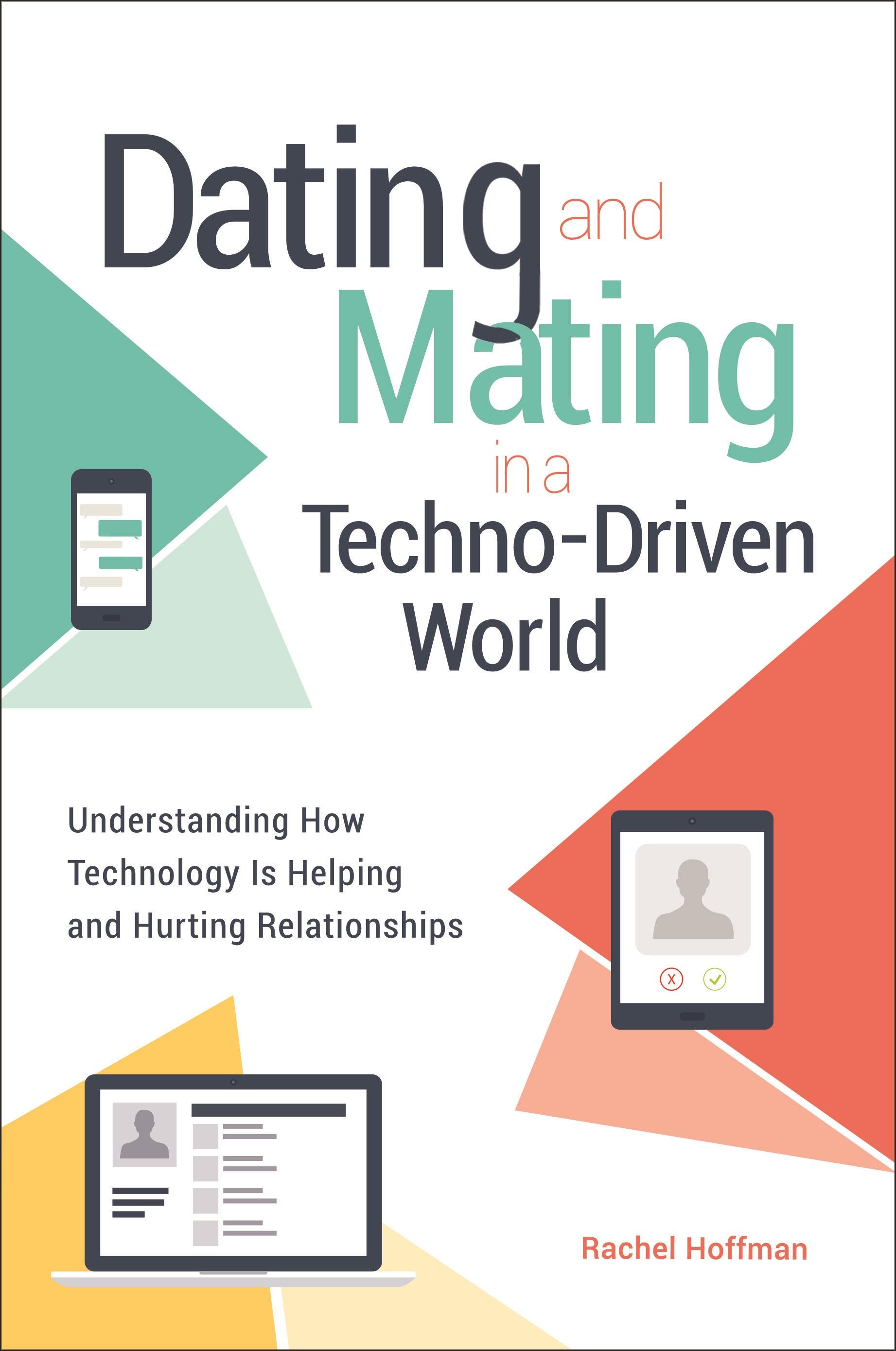
Authored by a sex therapist who regularly works with clients wanting to improve their relationships, this book explains how technology can create conflict or additional anxiety and discloses techniques to help individuals gain confidence or strengthen their personal relationships.
The statistics are telling: 85 percent of all adults use the Internet; 88 percent use email; 91 percent own cell phones; 56 percent own smartphones; 73 percent send and receive text messages; and 67 percent use social networking sites. The advent of personal communication devices and ubiquitous connectivity has dramatically shifted the way we communicate, and as a result, the way we date and pursue relationships has changed. The share of 18- to 24-year-olds who use online dating has roughly tripled from 10 percent in 2013 to 27 percent today. Modern dating techniques and technology-enabled interpersonal communication have resulted in very distinct emotional side effects.
Dating and Mating in a Techno-Driven World explores dating in our 21st-century world with a unique approach, providing understandable information for anyone who is dating or seeking a long-term relationship while also serving as a clinical guide for therapists who want to learn how to treat individuals and especially couples presenting with some sort of issue related to technology. Instead of simply offering an analysis of the trends that are occurring, author Rachel Hoffman addresses the interpersonal problems and conflicts that result from digital or remote communication and "courting" and explains how to treat them. The topics addressed include utilizing dating apps, the effects of social media on relationships, and how technology can be distracting in relationships. Each chapter of the book supplies a case study or vignette, an analysis of the situation, research findings related to the topic, and clinical information that identifies the implications for therapists working with individuals or couples with a similar experience.
The statistics are telling: 85 percent of all adults use the Internet; 88 percent use email; 91 percent own cell phones; 56 percent own smartphones; 73 percent send and receive text messages; and 67 percent use social networking sites. The advent of personal communication devices and ubiquitous connectivity has dramatically shifted the way we communicate, and as a result, the way we date and pursue relationships has changed. The share of 18- to 24-year-olds who use online dating has roughly tripled from 10 percent in 2013 to 27 percent today. Modern dating techniques and technology-enabled interpersonal communication have resulted in very distinct emotional side effects.
Dating and Mating in a Techno-Driven World explores dating in our 21st-century world with a unique approach, providing understandable information for anyone who is dating or seeking a long-term relationship while also serving as a clinical guide for therapists who want to learn how to treat individuals and especially couples presenting with some sort of issue related to technology. Instead of simply offering an analysis of the trends that are occurring, author Rachel Hoffman addresses the interpersonal problems and conflicts that result from digital or remote communication and "courting" and explains how to treat them. The topics addressed include utilizing dating apps, the effects of social media on relationships, and how technology can be distracting in relationships. Each chapter of the book supplies a case study or vignette, an analysis of the situation, research findings related to the topic, and clinical information that identifies the implications for therapists working with individuals or couples with a similar experience.
Zahle einfach mit Karte, Klarna, Apple Pay oder Google Pay. Nicht zufrieden? Du hast immer ein 14-tägiges Widerrufsrecht. Lies mehr in unseren AGB. Hast du Fragen, schreib uns eine E-Mail an hello@memmo.org.
Memmo macht das Lernen einfacher – wo auch immer du bist. Bei uns findest du deine Kursbücher und smarte Lerntools an einem Ort: Zusammenfassungen, Quizzes, Podcasts und Lernkarten. Und Ted, dein Lernbuddy, beantwortet alles, was du wissen möchtest. Über 50.000 Studierende lernen bereits hier – gemacht, damit du schneller lernst und weniger Stress hast.