
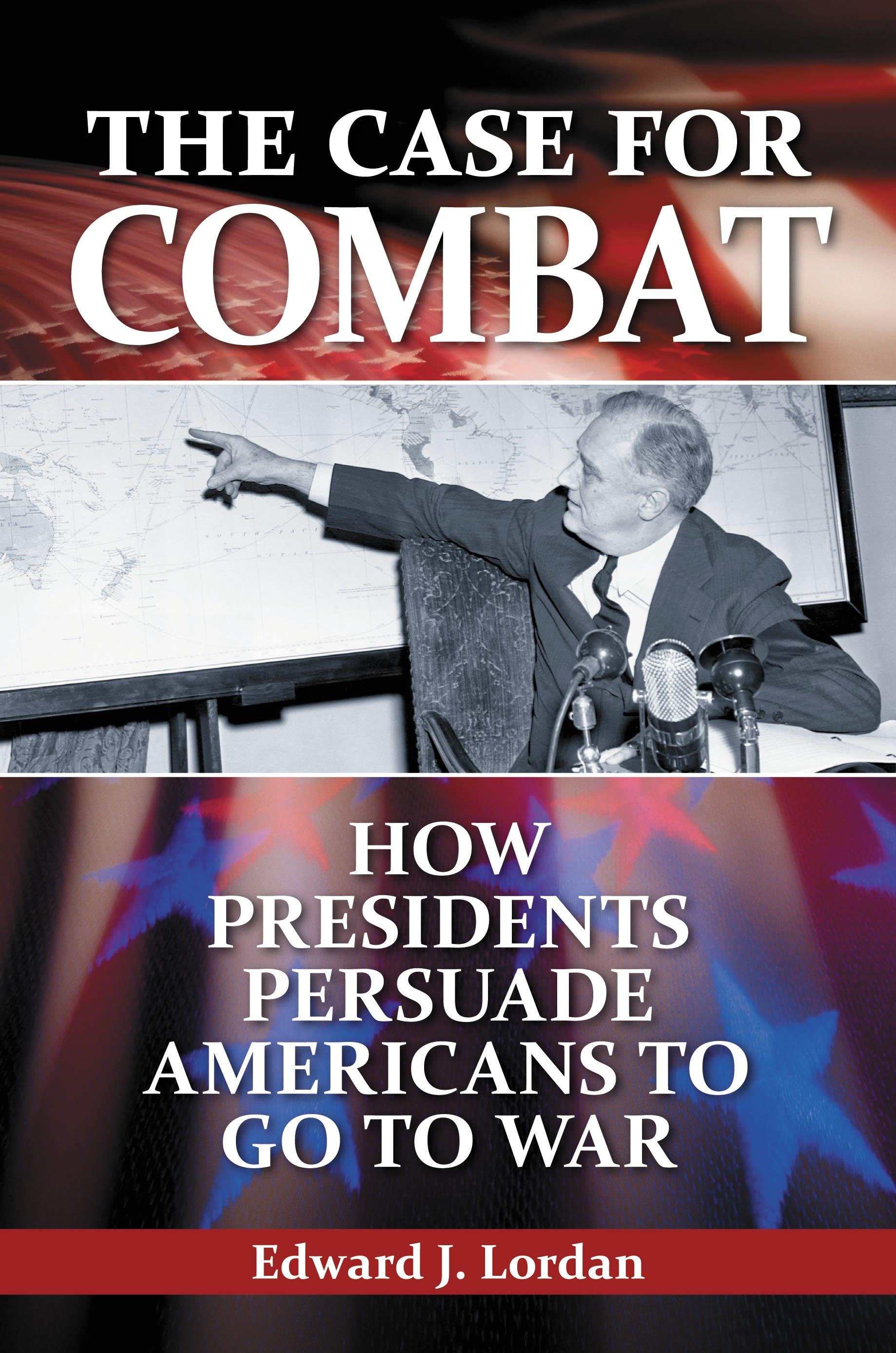
This book provides a historical analysis of presidential rhetoric regarding war and examines the similarities, differences, effectiveness, and ethics of the persuasive strategies used by the White House through the history of the nation.
In the United States, the decision to use military force typically is made by the president, even though it is actually Congress that has the authority to commit the nation to war. It is also the president's job to inform the American people when that decision has been made—and to attempt to convince the citizens to support their government in the decision to go to war.
The book traces the development of the rhetoric used by presidents to convince Americans to go to war, from the earliest days of the nation to the latest conflicts in Afghanistan and Iraq. After an overview of the governmental issues related to committing to combat, the author evaluates presidential speeches over the course of ten American conflicts to determine how effective—and ethical—presidents have been in communicating with various publics. Taking neither a pro- nor antiwar stance, this text focuses entirely on the period leading up to the announcement of a formal conflict.
In the United States, the decision to use military force typically is made by the president, even though it is actually Congress that has the authority to commit the nation to war. It is also the president's job to inform the American people when that decision has been made—and to attempt to convince the citizens to support their government in the decision to go to war.
The book traces the development of the rhetoric used by presidents to convince Americans to go to war, from the earliest days of the nation to the latest conflicts in Afghanistan and Iraq. After an overview of the governmental issues related to committing to combat, the author evaluates presidential speeches over the course of ten American conflicts to determine how effective—and ethical—presidents have been in communicating with various publics. Taking neither a pro- nor antiwar stance, this text focuses entirely on the period leading up to the announcement of a formal conflict.
Zahle einfach mit Karte, Klarna, Apple Pay oder Google Pay. Nicht zufrieden? Du hast immer ein 14-tägiges Widerrufsrecht. Lies mehr in unseren AGB. Hast du Fragen, schreib uns eine E-Mail an hello@memmo.org.
Memmo macht das Lernen einfacher – wo auch immer du bist. Bei uns findest du deine Kursbücher und smarte Lerntools an einem Ort: Zusammenfassungen, Quizzes, Podcasts und Lernkarten. Und Ted, dein Lernbuddy, beantwortet alles, was du wissen möchtest. Über 50.000 Studierende lernen bereits hier – gemacht, damit du schneller lernst und weniger Stress hast.