
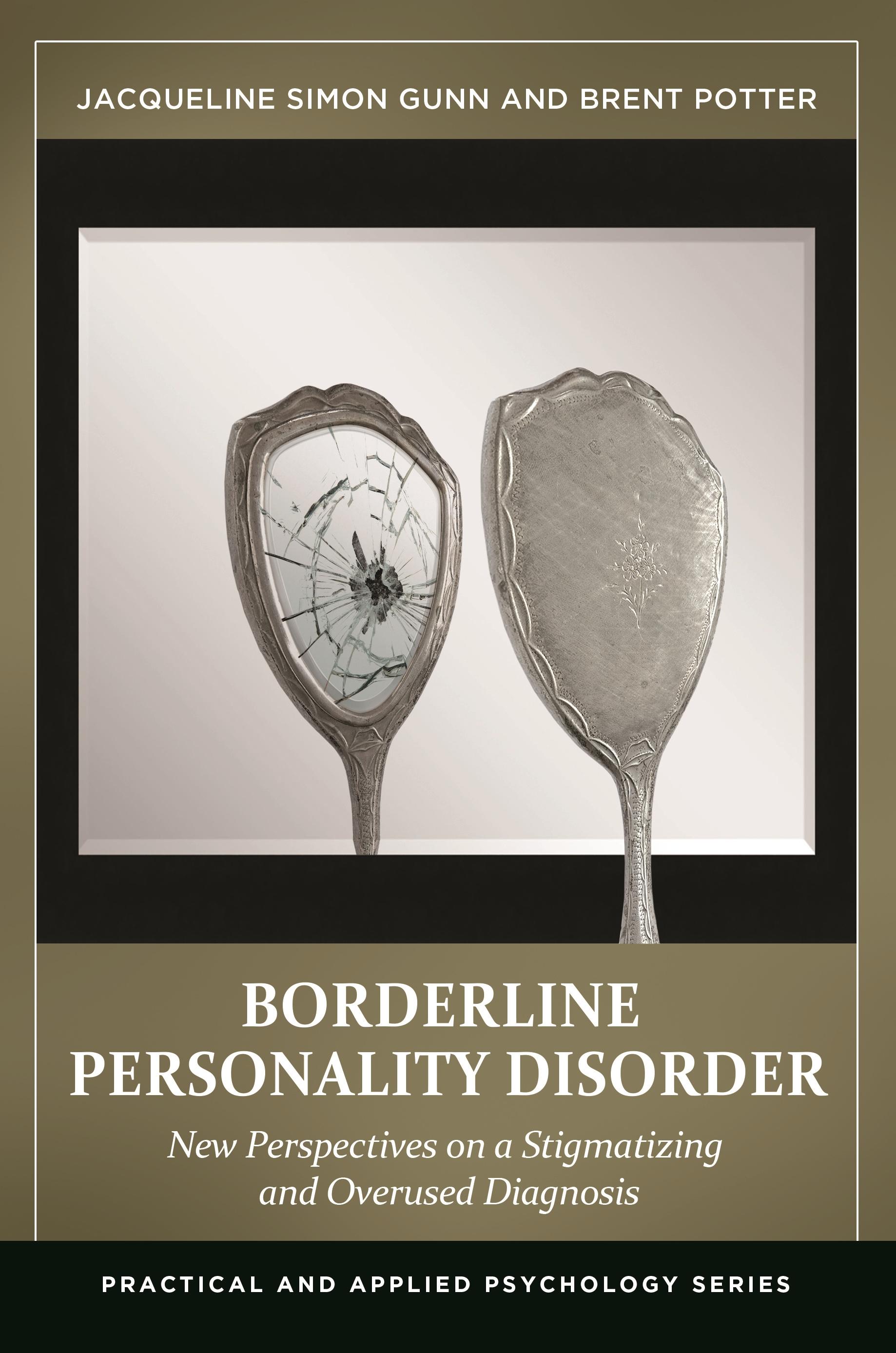
This book is an ideal resource for general readers who want a clear understanding of people suffering with chaotic emotions, and for clinicians treating patients for Borderline Personality Disorder (BPD).
The patterns of behavior of those with borderline personality disorder (BPD) are often frustrating and mystifying to both clinicians and family members, despite several decades of study and research on this form of distress. Borderline Personality Disorder: New Perspectives on a Stigmatizing and Overused Diagnosis presents a thorough critical and historical review of the diagnosis of BPD and explores—through academic and clinical narratives—the different processes that occur in borderline behavior patterns.
The authors offer new perspectives that emphasize the whole person rather than a diagnosis, addressing the emotional storms and mood instability of BPD, providing guidance on managing emotional chaos in the therapeutic relationship, and explaining how to use one's own feelings as a clinical tool. Their approach gives an intimate experiential feel for the interpersonal processes that occur in psychotherapy for both the patient and therapist. The result: readers will better understand who the person behind the diagnosis is, and comprehend what it really feels like to be someone struggling with these difficult interpersonal patterns.
The patterns of behavior of those with borderline personality disorder (BPD) are often frustrating and mystifying to both clinicians and family members, despite several decades of study and research on this form of distress. Borderline Personality Disorder: New Perspectives on a Stigmatizing and Overused Diagnosis presents a thorough critical and historical review of the diagnosis of BPD and explores—through academic and clinical narratives—the different processes that occur in borderline behavior patterns.
The authors offer new perspectives that emphasize the whole person rather than a diagnosis, addressing the emotional storms and mood instability of BPD, providing guidance on managing emotional chaos in the therapeutic relationship, and explaining how to use one's own feelings as a clinical tool. Their approach gives an intimate experiential feel for the interpersonal processes that occur in psychotherapy for both the patient and therapist. The result: readers will better understand who the person behind the diagnosis is, and comprehend what it really feels like to be someone struggling with these difficult interpersonal patterns.
Zahle einfach mit Karte, Klarna, Apple Pay oder Google Pay. Nicht zufrieden? Du hast immer ein 14-tägiges Widerrufsrecht. Lies mehr in unseren AGB. Hast du Fragen, schreib uns eine E-Mail an hello@memmo.org.
Memmo macht das Lernen einfacher – wo auch immer du bist. Bei uns findest du deine Kursbücher und smarte Lerntools an einem Ort: Zusammenfassungen, Quizzes, Podcasts und Lernkarten. Und Ted, dein Lernbuddy, beantwortet alles, was du wissen möchtest. Über 50.000 Studierende lernen bereits hier – gemacht, damit du schneller lernst und weniger Stress hast.