
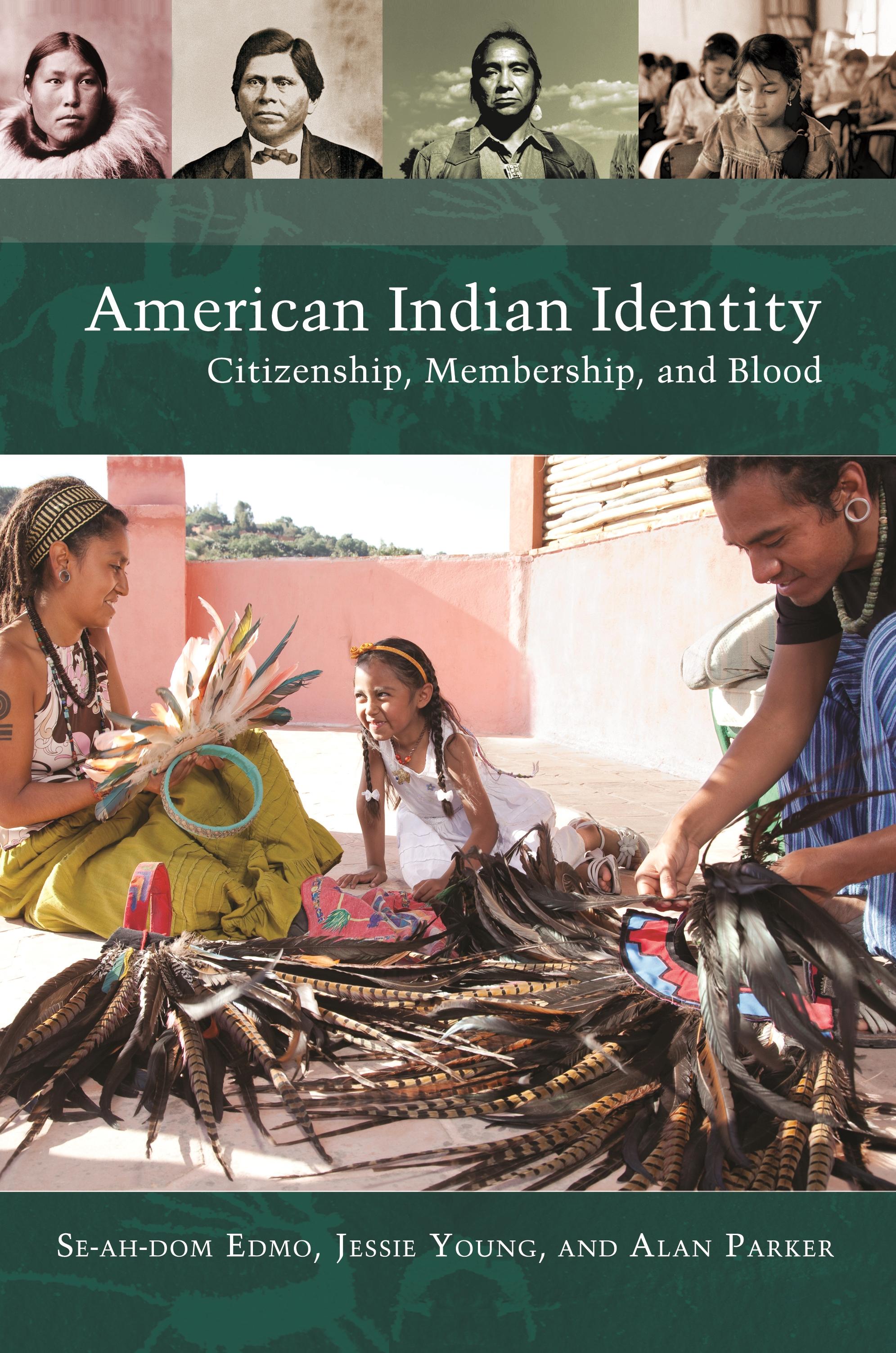
This single-volume book contends that reshaping the paradigm of American Indian identity, blood quantum, and racial distinctions can positively impact the future of the Indian community within America and America itself.
This academic compendium examines the complexities associated with Indian identity in North America, including the various social, political, and legal issues impacting Indian expression in different periods; the European influence on how self-governing tribal communities define the rights of citizenship within their own communities; and the effect of Indian mascots, Thanksgiving, and other cultural appropriations taking place within American society on the Indian community. The book looks at and proposes solutions to the controversies surrounding the Indian tribal nations and their people.
The authors—all leading advocates of Indian progress—argue that tribal governments and communities should reconsider the notion of what comprises Indian identity, and in doing so, they compare and contrast how indigenous people around the world define themselves and their communities. Chapters address complex questions under the discourse of Indian law, history, philosophy, education, political science, anthropology, art, psychology, and civil rights. Topics covered in depth include blood quantum, racial distinctions, First Nations, and tribal citizenship.
This academic compendium examines the complexities associated with Indian identity in North America, including the various social, political, and legal issues impacting Indian expression in different periods; the European influence on how self-governing tribal communities define the rights of citizenship within their own communities; and the effect of Indian mascots, Thanksgiving, and other cultural appropriations taking place within American society on the Indian community. The book looks at and proposes solutions to the controversies surrounding the Indian tribal nations and their people.
The authors—all leading advocates of Indian progress—argue that tribal governments and communities should reconsider the notion of what comprises Indian identity, and in doing so, they compare and contrast how indigenous people around the world define themselves and their communities. Chapters address complex questions under the discourse of Indian law, history, philosophy, education, political science, anthropology, art, psychology, and civil rights. Topics covered in depth include blood quantum, racial distinctions, First Nations, and tribal citizenship.
Zahle einfach mit Karte, Klarna, Apple Pay oder Google Pay. Nicht zufrieden? Du hast immer ein 14-tägiges Widerrufsrecht. Lies mehr in unseren AGB. Hast du Fragen, schreib uns eine E-Mail an hello@memmo.org.
Memmo macht das Lernen einfacher – wo auch immer du bist. Bei uns findest du deine Kursbücher und smarte Lerntools an einem Ort: Zusammenfassungen, Quizzes, Podcasts und Lernkarten. Und Ted, dein Lernbuddy, beantwortet alles, was du wissen möchtest. Über 50.000 Studierende lernen bereits hier – gemacht, damit du schneller lernst und weniger Stress hast.