
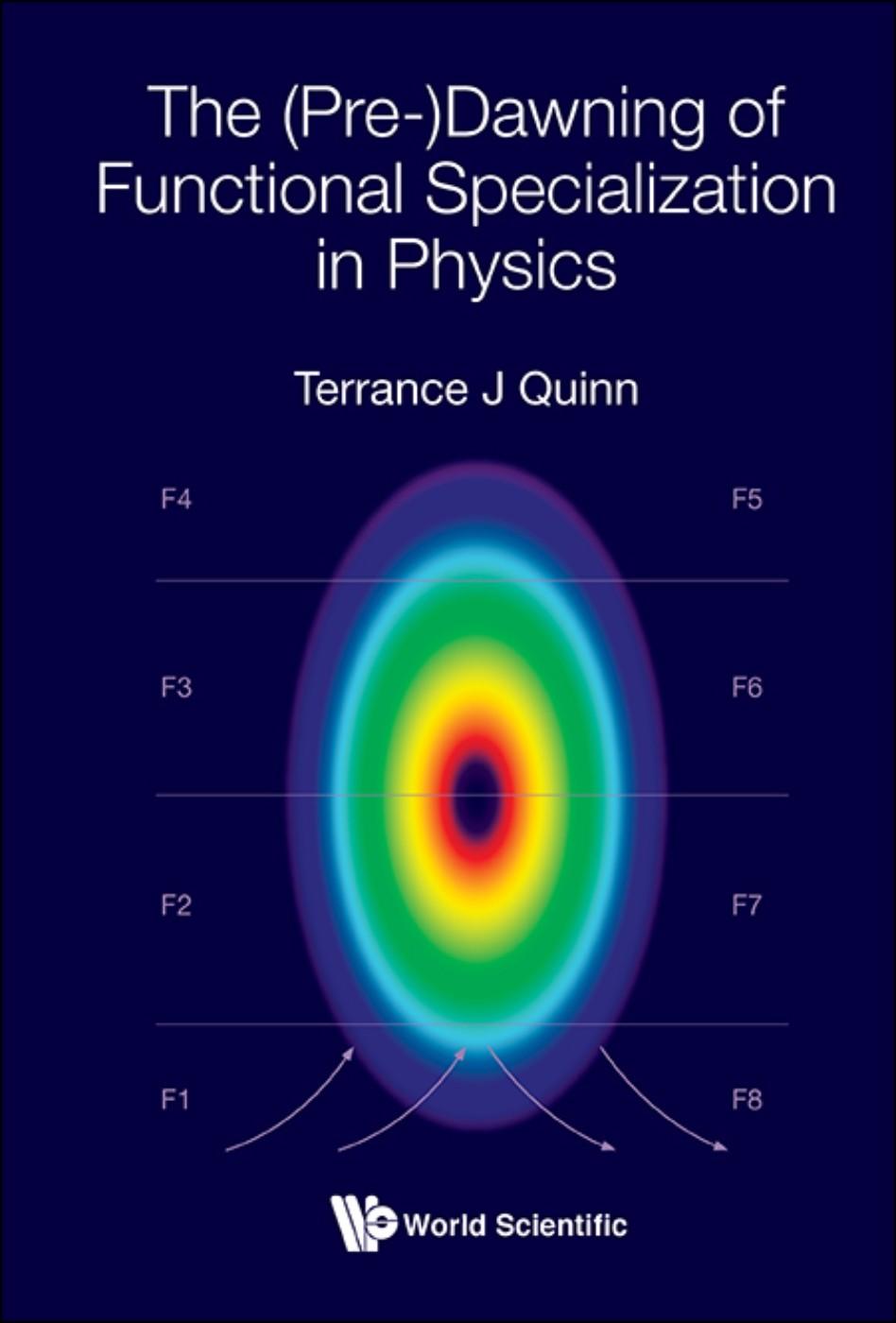
In modern physics, various fundamental problems have become topics of ongoing debate. There was the 20th century climb to a Standard Model, still accurate at the highest energy levels obtainable so far. But, since the 1970's, a different approach to physics advocates for theories such as string theory, known for their mathematical elegance, even though they either cannot be verified in data or contradict presently known experimental results. In philosophy of physics, there is a gradually emerging consensus that philosophy of physics and physics somehow contribute to a common enterprise. But, there is little sign of progress toward consensus about the nature of that unity. All the while, it is generally recognized that physics is interdisciplinary. There are, of course, differences in focus. But, implicitly at least, there are no 'sharp dividing lines' between physics and philosophy of physics; pure and applied physics; physical chemistry; biophysics; medical physics; history and philosophy of physics; physics and society; physics education; and so on. What, then, is progress in physics? The question here is not about ideal structures, but asks about what is going on in physics. Beginnings in discerning the presence of eight main tasks help reveal the (pre-) emergence of a normative omni-disciplinary basis for collaboration that, once adverted to, promises to be constitutive of a new and increasingly effective control of meaning. Originally discovered by Bernard Lonergan in 1965, progress in the new collaboration will not seek to eliminate specialized expertise. It will, though, divide tasks within an eightfold functional division of labor. This book invites attention to data for each of the eight main tasks evident and self-evident in existing scholarship in the community. The book also makes preliminary efforts toward envisioning something of what functional collaboration will look like — in physics, the Academy and Society.
Zahle einfach mit Karte, Klarna, Apple Pay oder Google Pay. Nicht zufrieden? Du hast immer ein 14-tägiges Widerrufsrecht. Lies mehr in unseren AGB. Hast du Fragen, schreib uns eine E-Mail an hello@memmo.org.
Memmo macht das Lernen einfacher – wo auch immer du bist. Bei uns findest du deine Kursbücher und smarte Lerntools an einem Ort: Zusammenfassungen, Quizzes, Podcasts und Lernkarten. Und Ted, dein Lernbuddy, beantwortet alles, was du wissen möchtest. Über 50.000 Studierende lernen bereits hier – gemacht, damit du schneller lernst und weniger Stress hast.
Das könnte dir auch gefallen
Buch kaufen0