
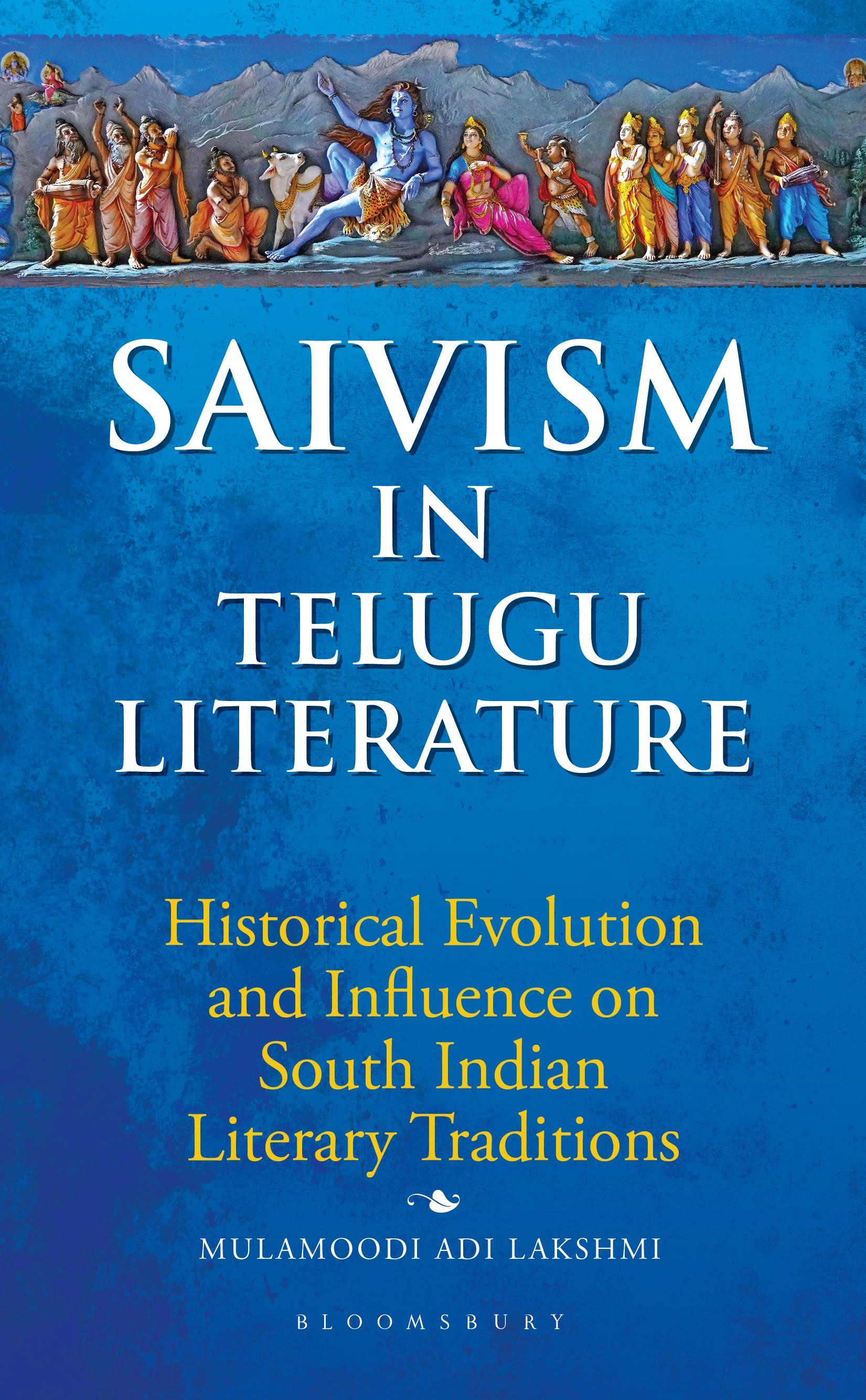
This book examines the evolution of Saivism among Telugu-speaking communities, with particular emphasis on its influence on women and marginalised social groups. It is organised around three key themes: Saivism prior to the emergence of Telugu literature; the understanding and transmission of Saivism through Telugu literary works; and the linguistic, literary, and cultural relationships articulated through Telugu Saiva literature.
Saivism in Telugu Literature analyses the close relationship between religion and literature and discusses the literary trends that shaped the early development of Telugu literature. It critically examines the contributions of Balkuri¯ Somanatha, Nannaya, Dikkana (Tikkana), and other scholars influenced by Saivism and Veerashaivism. Special attention is given to the portrayal of Shiva as a major deity alongside Brahma and Vishnu in the Telugu translations of the Mahabharata by Nannaya and Tikkana. Nannaya's translation is interpreted as an effort to make the Mahabharata, regarded as the fifth Veda, accessible to common people and women. The concluding section explores the influence of the Tamil Nayanmars and highlights the linguistic and cultural interactions among Telugu, Tamil, and Sanskrit, illustrating the spread of Saivism in South India.
Saivism in Telugu Literature analyses the close relationship between religion and literature and discusses the literary trends that shaped the early development of Telugu literature. It critically examines the contributions of Balkuri¯ Somanatha, Nannaya, Dikkana (Tikkana), and other scholars influenced by Saivism and Veerashaivism. Special attention is given to the portrayal of Shiva as a major deity alongside Brahma and Vishnu in the Telugu translations of the Mahabharata by Nannaya and Tikkana. Nannaya's translation is interpreted as an effort to make the Mahabharata, regarded as the fifth Veda, accessible to common people and women. The concluding section explores the influence of the Tamil Nayanmars and highlights the linguistic and cultural interactions among Telugu, Tamil, and Sanskrit, illustrating the spread of Saivism in South India.
Seiten: 288
Kategorie: Religion & Teologi
e-ISBN: 9789369524914
Versandgewicht: 1.2 kg
Versand in: 1-2 Tage
Zahle einfach mit Karte, Klarna, Apple Pay oder Google Pay. Nicht zufrieden? Du hast immer ein 14-tägiges Widerrufsrecht. Lies mehr in unseren AGB. Hast du Fragen, schreib uns eine E-Mail an hello@memmo.org.
Memmo macht das Lernen einfacher – wo auch immer du bist. Bei uns findest du deine Kursbücher und smarte Lerntools an einem Ort: Zusammenfassungen, Quizzes, Podcasts und Lernkarten. Und Ted, dein Lernbuddy, beantwortet alles, was du wissen möchtest. Über 50.000 Studierende lernen bereits hier – gemacht, damit du schneller lernst und weniger Stress hast.