
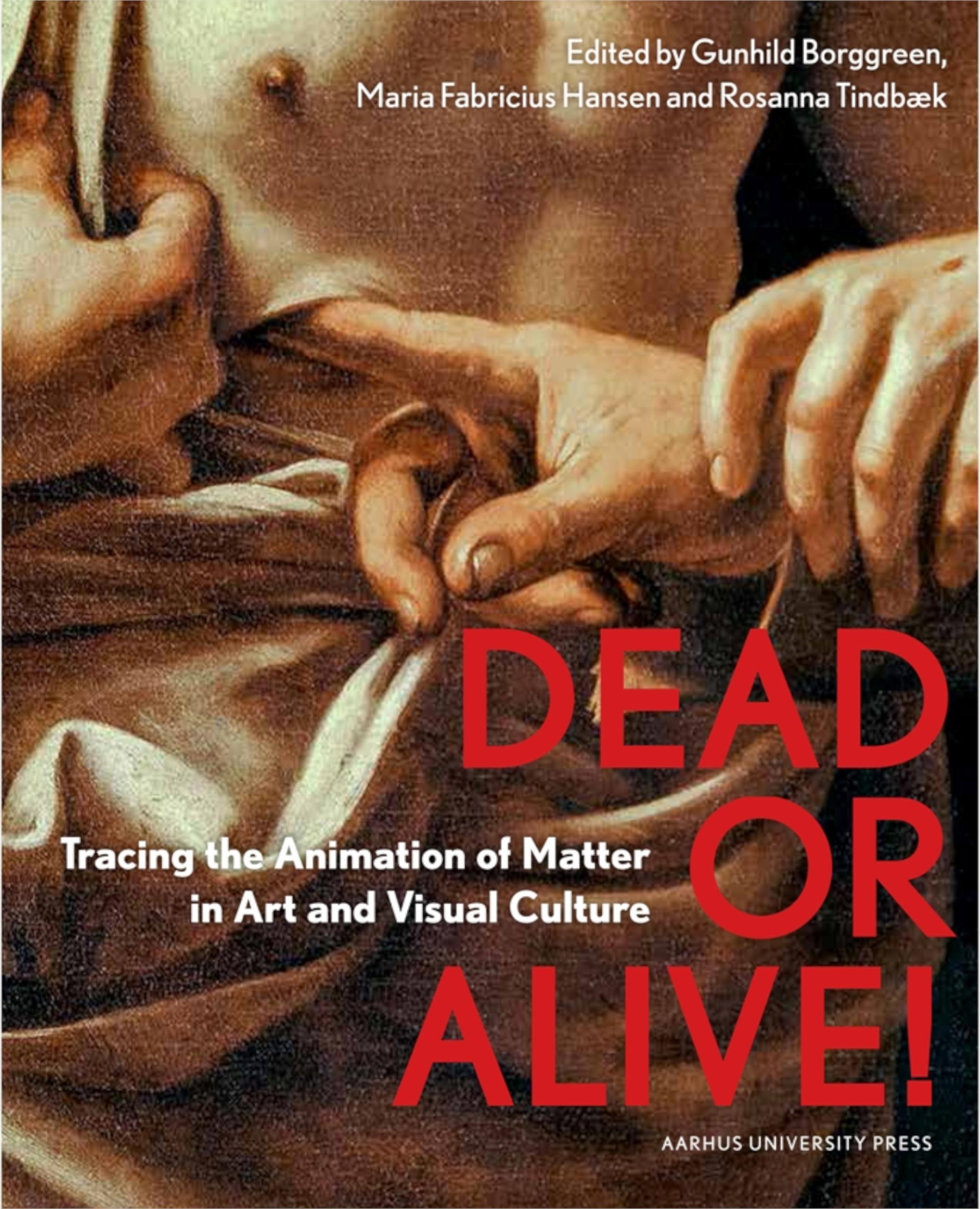
The image is an ontological paradox; it is made of dead matter, yet appears to be alive. For millennia, artists have created images of the living world - images that are static and yet possess the power to bring to life a frozen moment in time. While this tension has constituted a fundamental challenge for as long as theories on the nature of images have existed, recent scholarship has rekindled interest in the question of what images 'do to us'. Despite the rational discourse of Modernity, we must acknowledge that we view images as half-living entities. This book addresses the perpetual relevance of images' enigmatic life-likeness through studies that engage with a variety of visual material by asking the same question: what qualifies animation? Covering a wide range of image practices, such as early paleolithic stone engravings, medieval tomb sculpture, renaissance death masks and baroque painting to modern fashion, park design, early cinema and BioArt, the twelve chapters, written by scholars of art history and visual culture, demonstrate that the ontological paradox of the image is not limited to a specific historical period or certain types of images, but can be seen throughout the history of images across different cultures.
Zahle einfach mit Karte, Klarna, Apple Pay oder Google Pay. Nicht zufrieden? Du hast immer ein 14-tägiges Widerrufsrecht. Lies mehr in unseren AGB. Hast du Fragen, schreib uns eine E-Mail an hello@memmo.org.
Memmo macht das Lernen einfacher – wo auch immer du bist. Bei uns findest du deine Kursbücher und smarte Lerntools an einem Ort: Zusammenfassungen, Quizzes, Podcasts und Lernkarten. Und Ted, dein Lernbuddy, beantwortet alles, was du wissen möchtest. Über 50.000 Studierende lernen bereits hier – gemacht, damit du schneller lernst und weniger Stress hast.
Das könnte dir auch gefallen
Buch kaufen0